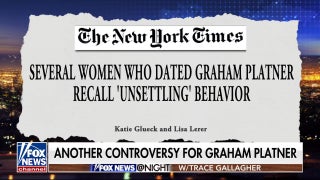
Maine Senate candidate Graham Platner faces a new wave of damaging allegations, including rape fantasies, heavy drinking, violent behavior, and an altercation with an ex-girlfriend, according to a New York Times report. The story also adds fuel to existing controversy over his tattoo, alleged sexting, and inflammatory past comments, increasing political and reputational risk. The immediate market impact is limited, but the revelations could materially affect his candidacy and Democratic campaign positioning in Maine.
The immediate market is not the Senate seat itself but the durability of the Democratic brand in a race that was supposed to be a pickup path. This kind of character-driven damage tends to have a convex effect: it can look incremental for weeks and then suddenly reprice when party leadership, donors, or adjacent candidates decide the candidate is no longer salvageable. That creates a near-term asymmetry where every fresh allegation matters less on the facts than on whether it forces institutional abandonment.
The second-order effect is on national resource allocation. If this race shifts from winnable to defensive, Democratic money and surrogate bandwidth get redirected away from other marginal Senate contests, which can improve Republican odds in multiple low-information states. It also raises the probability of message discipline tightening around candidate vetting, which is bad for the broader left-populist recruitment model that relies on outsider authenticity but is vulnerable to personal-conduct disclosures.
The contrarian angle is that the overhang may already be partially priced into the name because the scandal stack is now broad enough to be self-sustaining; additional headlines may have diminishing marginal impact unless they trigger elite defection. What matters more over the next 1-3 weeks is whether polling moves enough to change donor math or whether the candidate stays in the race and becomes a drag on down-ballot turnout. A forced exit would reduce tail risk quickly; survival through endorsement season would turn this into a prolonged negative-advertising anchor through Election Day.
AI-powered research, real-time alerts, and portfolio analytics for institutional investors.
Request DemoOverall Sentiment
strongly negative
Sentiment Score
-0.80
Ticker Sentiment
