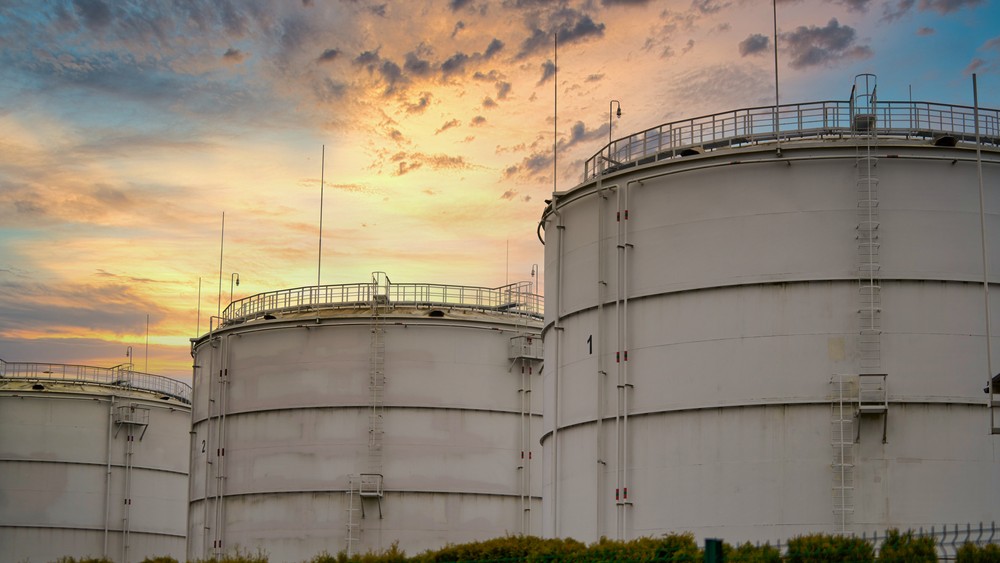
Japan is considering stockpiling U.S. crude to boost energy security, with its strategic oil reserve totaling ~470 million barrels (enough for ~254 days of demand). The reserve includes ~13 million barrels in joint stocks with Saudi Arabia, the UAE and Kuwait; Tokyo recently tapped reserves, releasing an initial 15 days' worth of consumption and planning another 30 days. Japan sources ~90% of its oil from the Middle East, exposing it to Strait of Hormuz disruptions, so U.S. crude stockpiling could diversify supply and modestly shift regional crude demand patterns.
Japan signaling a deliberate pivot to U.S. crude is not just a one-off demand bid — it rewires Atlantic/Pacific crude flows. Expect incremental long-haul loadings out of the U.S. Gulf and Midland export hubs, which will tighten domestic differentials (Midland/WTI) and raise utilisation and timecharter rates for VLCC/Suezmax segments that serve Asia. The mechanical impact: U.S. light-sweet grades will enjoy a persistent logistical premium vs. competing Middle East barrels once contracts and shipping slots are locked in, likely adding $1–$3/bbl to landed U.S. export economics in Asia versus current parity conditions.
Second-order winners will be owners/operators of export capacity and short-cycle shale producers that can ramp shipments quickly; losers are suppliers and refiners who depend on arbitrageable Middle East flows into Asia and trading houses that monetise geographic cracks. Storage economics also shift — a Japanese stockpiling program creates a predictable structural bid into storage that favours contango capture strategies and lifts inland storage utilization across the Gulf and Singapore hubs. Financially, this strengthens the case for investment in export-related midstream capex and raises optionality value for assets that convert inland barrels to seaborne cargoes.
Timing matters: near-term (weeks) this is an announcements-and-contracts story; medium-term (3–12 months) infrastructure allocations and shipping schedules will lock flows; long-term (1–3 years) it becomes a standing demand corridor that compresses the Atlantic overhang. Reversal risks include diplomatic normalization with alternative suppliers, a sharp crude price shock that forces coordinated releases, or capacity constraints (canal/shipping) that re-route flows and blunt the U.S. premium.
AI-powered research, real-time alerts, and portfolio analytics for institutional investors.
Request DemoOverall Sentiment
neutral
Sentiment Score
0.00
