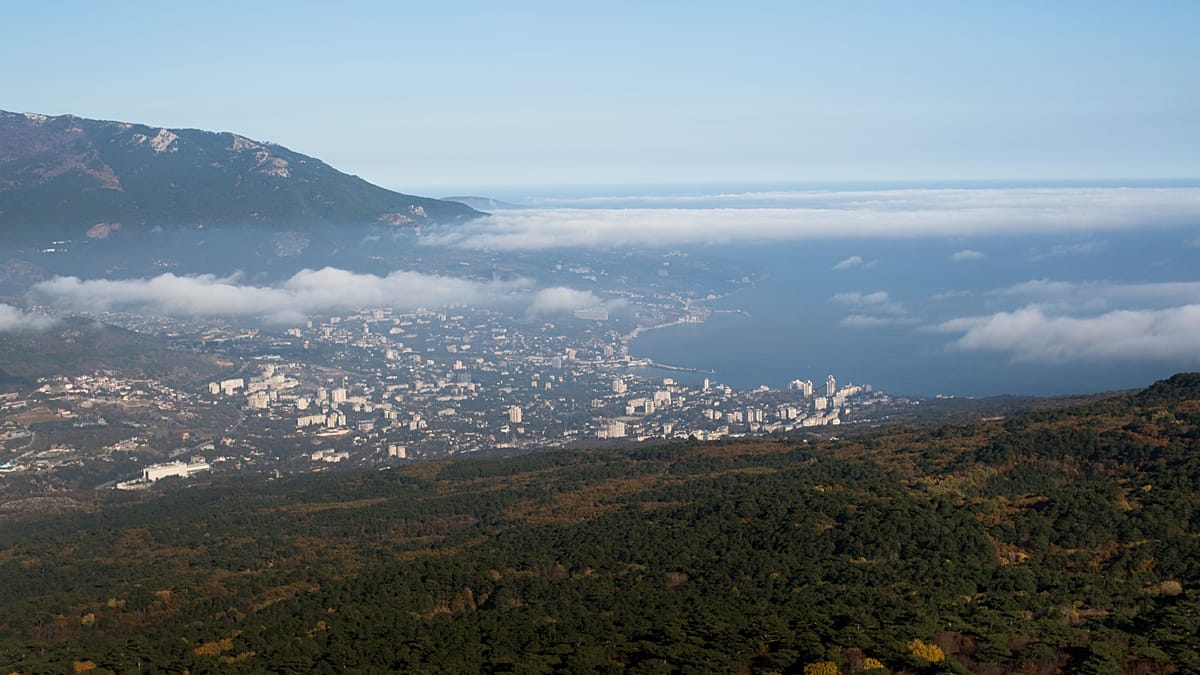
Russia-annexed Crimea is facing rolling electricity outages, rationed petrol sales limited to occupation officials, and a suspension of children's summer camps and public events as Ukraine intensifies strikes on fuel and energy infrastructure. Ukrainian forces said they hit the Port of Kavkaz oil transshipment complex and an oil depot, while Kyiv continues targeting logistics routes across the Kerch Strait to disrupt supply lines to the peninsula. The disruptions underscore escalating wartime pressure on Crimea's transport, energy, and tourism activity.
This is a classic infrastructure attrition campaign, and the first-order damage is only the surface layer. The more important effect is that Crimea’s civilian normalization is breaking down faster than its military logistics can be re-routed, forcing occupation authorities to prioritize fuel, power, and security for administrators and security services over households and tourism. That shifts the peninsula from being a partially functioning rear area into a higher-cost, lower-throughput enclave, raising the military’s resupply burden while simultaneously eroding the local tax base and service economy.
The second-order impact is on transport economics across the entire Black Sea-adjacent supply chain. If fuel rationing and periodic outages persist for weeks, road transport efficiency drops, emergency logistics rise, and the reliability premium on alternative corridors through occupied southern Ukraine increases. That is negative for any Russia-linked freight, hospitality, and consumer-facing activity in the region, but it can also create localized scarcity pricing in fuel and diesel, especially where state allocation displaces market clearing.
The key catalyst is not one more strike, but whether Kyiv can sustain a 30-90 day cadence that keeps repair cycles ahead of throughput recovery. If the attacks continue to degrade storage, pumping, and grid redundancy, Moscow may be forced into permanent convoy protection and further diversion of military assets to internal security, which is strategically valuable even if the physical damage is modest. The main reversal risk is a rapid repair effort supported by air defense reinforcements and emergency fuel shipments across the Kerch link, which could temporarily mask the damage but would likely require elevated military spending and lower operational efficiency.
Consensus may be underestimating how much this hurts Russia’s ability to project “normal life” rather than only its battlefield logistics. The tourism cancellation matters because it removes one of the few seasonal revenue and sentiment supports for the peninsula, and once civilian expectations reset downward, recovery becomes slower than the repair schedule suggests. The move is therefore more durable than a headline-driven outage: it is a compounding credibility loss for occupation governance.
AI-powered research, real-time alerts, and portfolio analytics for institutional investors.
Request DemoOverall Sentiment
strongly negative
Sentiment Score
-0.60
