

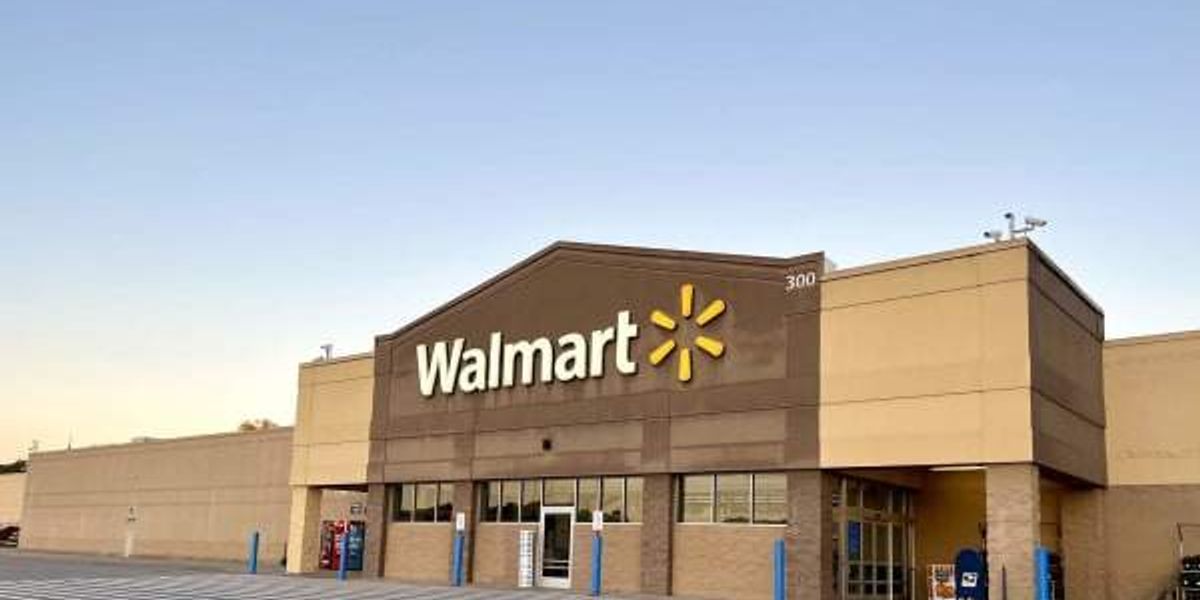
Walmart is remodeling 72 Texas stores, including 14 in Greater Houston, as part of a broader national program to modernize more than 650 Supercenters and Neighborhood Markets this year. The upgrades add enhanced layouts, app-based in-store navigation, expanded pharmacy services including free delivery for Walmart+ members, and new premium brands and interactive displays. The move supports Walmart’s omnichannel retail strategy and should modestly improve customer experience and convenience.
This is less a one-off capex announcement than a signal that Walmart is now leaning harder into store-as-fulfillment-node economics. The second-order bull case is not just traffic lift; it’s higher conversion from omnichannel services, better pharmacy attach, and a wider moat versus regional grocers that cannot fund both remodels and same-day convenience infrastructure at scale. In a world where retail margins are structurally thin, small improvements in basket size, service utilization, and delivery density can compound into meaningful EBIT leverage over 12-24 months.
The healthcare angle is underappreciated: pharmacy delivery tied to GLP-1s expands Walmart’s relevance in a sticky, high-frequency category that can pull prescriptions, front-of-store purchases, and recurring app engagement into one ecosystem. That creates a cross-sell flywheel that should disproportionately pressure independents and lower-tier pharmacy chains, which lack the same foot-traffic engine and logistics density. It also reinforces Walmart’s ability to use pharmacy as a customer-retention wedge rather than a standalone margin center.
For Nike and other premium brands, the upside is distribution and visibility, but the risk is channel dilution: Walmart’s merchandising engine can commoditize brands that rely on scarcity and specialty retail storytelling. The more interesting read-through is to experiential retailers and mall-based apparel concepts, whose traffic advantage erodes when mass retail starts feeling more curated and service-rich. The market may underprice how much operational improvement at Walmart can widen the gap versus mid-tier competitors over the next several quarters.
Near term, the stock reaction should be modest because remodels are familiar, but the catalyst path is clearer over 6-18 months as remodels roll through and service adoption becomes visible in same-store sales and pharmacy metrics. The main risk is that these investments front-load expense before benefits show up, which could create quarterly margin noise if traffic doesn’t accelerate. If consumer demand softens, the remodel thesis becomes defensive rather than accretive, but it still likely preserves share better than peers.
AI-powered research, real-time alerts, and portfolio analytics for institutional investors.
Request TrialOverall Sentiment
mildly positive
Sentiment Score
0.20
Ticker Sentiment
