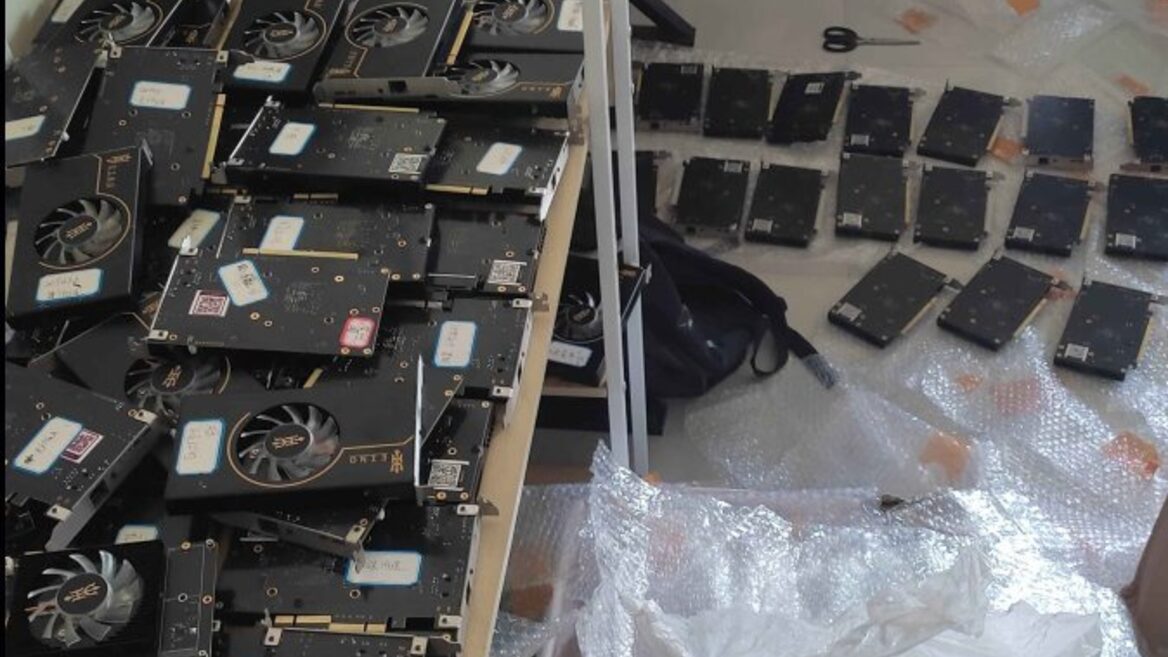
Riot Games has updated its kernel-level Vanguard anti-cheat to detect and disable hardware-based DMA cheats by modifying NVMe and SATA drive firmware, in partnership with MSI, ASRock, and ASUS. The change is aimed at making certain cheating devices physically unusable, with affected users reportedly seeing their hardware turned into "paperweights." The development reinforces Riot's aggressive anti-cheat posture but is likely to have limited direct market impact.
This is less a gaming headline than a proof-point for the broader “endpoint control” theme in cybersecurity: vendors are moving from detection to remediation at the hardware/firmware layer. That raises the bar for commodity cheat hardware and likely compresses the economics of the gray-market ecosystem, which depends on repeatable device reuse and low replacement cost. The second-order winner is less the game studio than motherboard/storage OEMs and security vendors that can monetize deeper telemetry and attestation features as enterprise buyers notice the same controls can be repurposed outside gaming.
The more important market implication is that this normalizes stronger kernel/firmware intervention, which will revive privacy and liability debates. Expect a lagged regulatory response over months, not days, especially in Europe, where any perception that software can alter hardware state without explicit user consent creates friction under device integrity and consumer-protection regimes. That creates a non-trivial reputational overhang for firms selling aggressive anti-tamper/security tools, even if the near-term product story looks strong.
For MYSZ, the direct read-through is muted, but the stock can still benefit indirectly if investors re-rate security names toward “platform control” rather than point-solution detection. The contrarian risk is that the market overestimates monetization: the addressable spend is real, but the sales cycle for firmware-level controls is long and will require partnerships with OEMs, limiting near-term revenue conversion. In the next 1-3 months, sentiment can improve on headline wins; over 6-12 months, the key risk is backlash if a high-profile false positive or hardware bricking event triggers scrutiny.
AI-powered research, real-time alerts, and portfolio analytics for institutional investors.
Request DemoOverall Sentiment
neutral
Sentiment Score
0.05
Ticker Sentiment
