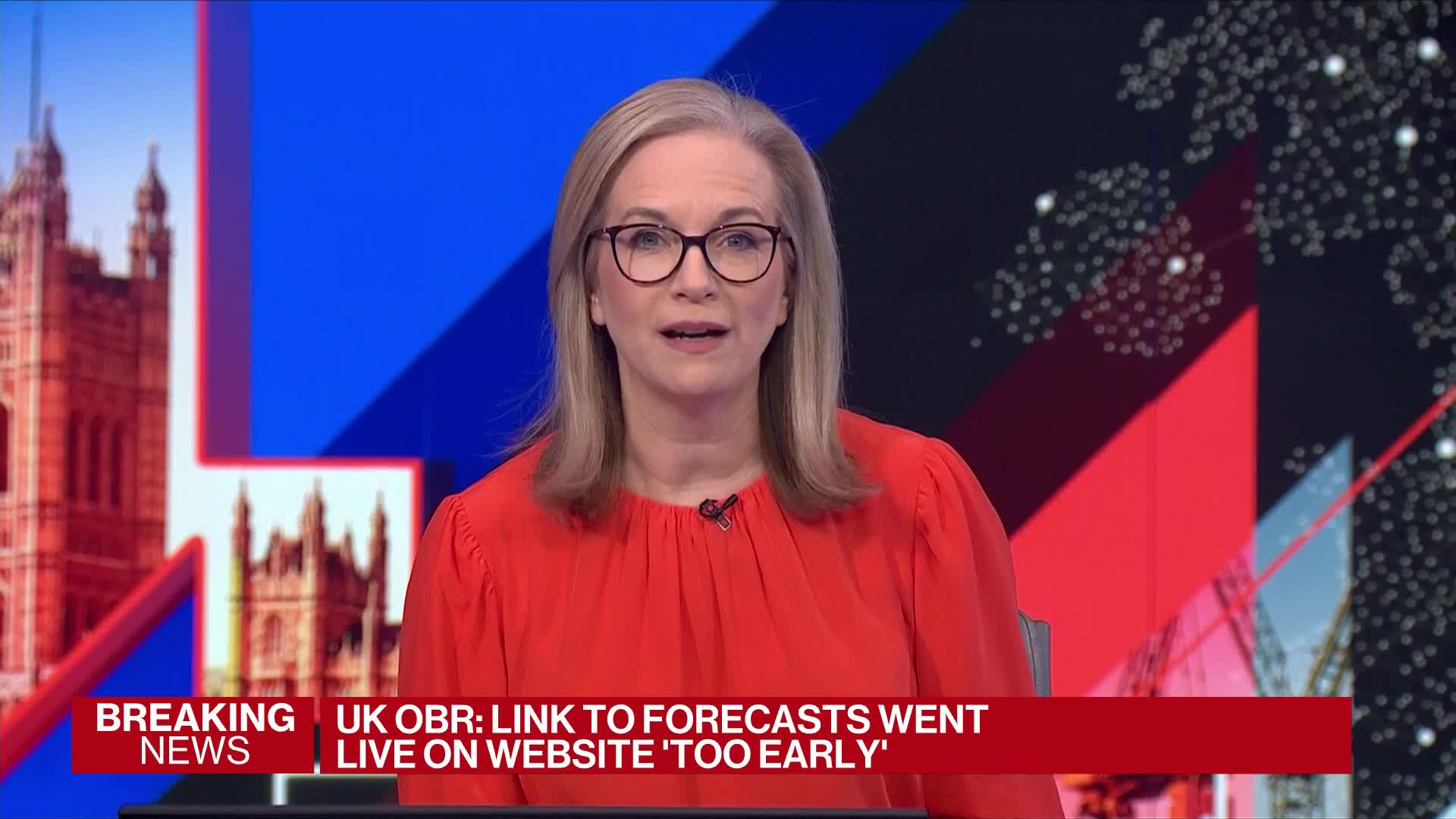
An accidental early OBR release showed Chancellor Rachel Reeves has expanded fiscal headroom to £22bn versus market expectations of £15bn, briefly pushing UK yields lower before subsequent headlines reversed the move. The OBR also cut the 2026 growth forecast to 1.4% (from 1.9%) and the budget flags revenue-raising measures — frozen income-tax thresholds, a levy on properties above £2m, a +2 percentage-point rise in dividend tax, and changes to pension/NIC treatment — while removing the two-child limit in universal credit; the watchdog has apologized and markets are digesting heightened volatility.
Market structure: The surprise OBR release (£22bn headroom vs £15bn expected) is a modest credit-positive headline that can compress UK risk premia short-term, while the 0.5ppt downgrade to 2026 GDP (1.9%→1.4%) points to lower real rates and weaker corporate top-lines. Direct winners are long-duration sovereign holders and defensive sectors; losers are high-dividend payers and prime-property exposure (policy targets >£2m). Cross-asset: expect elevated gilt volatility (10y moves ±20–50bps intra-day), GBP directional swings versus EUR/ USD, and higher equity put demand in dividend-heavy names.
Risk assessment: Tail risks include policy escalation (wider wealth taxes or retroactive measures), political backlash that forces reversals, and a credibility shock if the OBR leak undermines future guidance — any of which could widen UK spreads by >50bps. Time horizons: immediate (days) = volatility and flow-driven dislocations; short (1–3 months) = gilt repricing and equity rotation; medium (3–12 months) = earnings/GDP transmission. Hidden dependency: BoE reaction function — weaker growth increases odds of easing within 12–18 months, which would steepen long-dated gilt rallies.
Trade implications (strategic): Position for higher duration and hedge dividend risk. Tactical: size conditional—add duration on confirmed >10bp yield drop; hedge dividend-heavy FTSE names and buy structured downside on property developers exposed to London prime market (>£2m). Use options to monetize elevated volatility around the Chancellor speech and OBR investigation timeline (next 2–6 weeks).
Contrarian angles: Consensus overweight to gilts may be overdone — £22bn is small versus ~£2trn UK debt stock (~1.1% of GDP), so any surprise spending or weaker growth could reverse moves fast. Dividend-tax impact is likely more demand-driven than cash-flow destructive; if markets oversell high-quality defensives (e.g., AZN.L, HSBA.L) those names could mean-revert. Unintended consequence: heavier taxation on wealth could depress consumption/investment, deepening the growth downgrade and ultimately favoring long-duration bonds more than headlines suggest.
AI-powered research, real-time alerts, and portfolio analytics for institutional investors.
Request DemoOverall Sentiment
mixed
Sentiment Score
0.00
