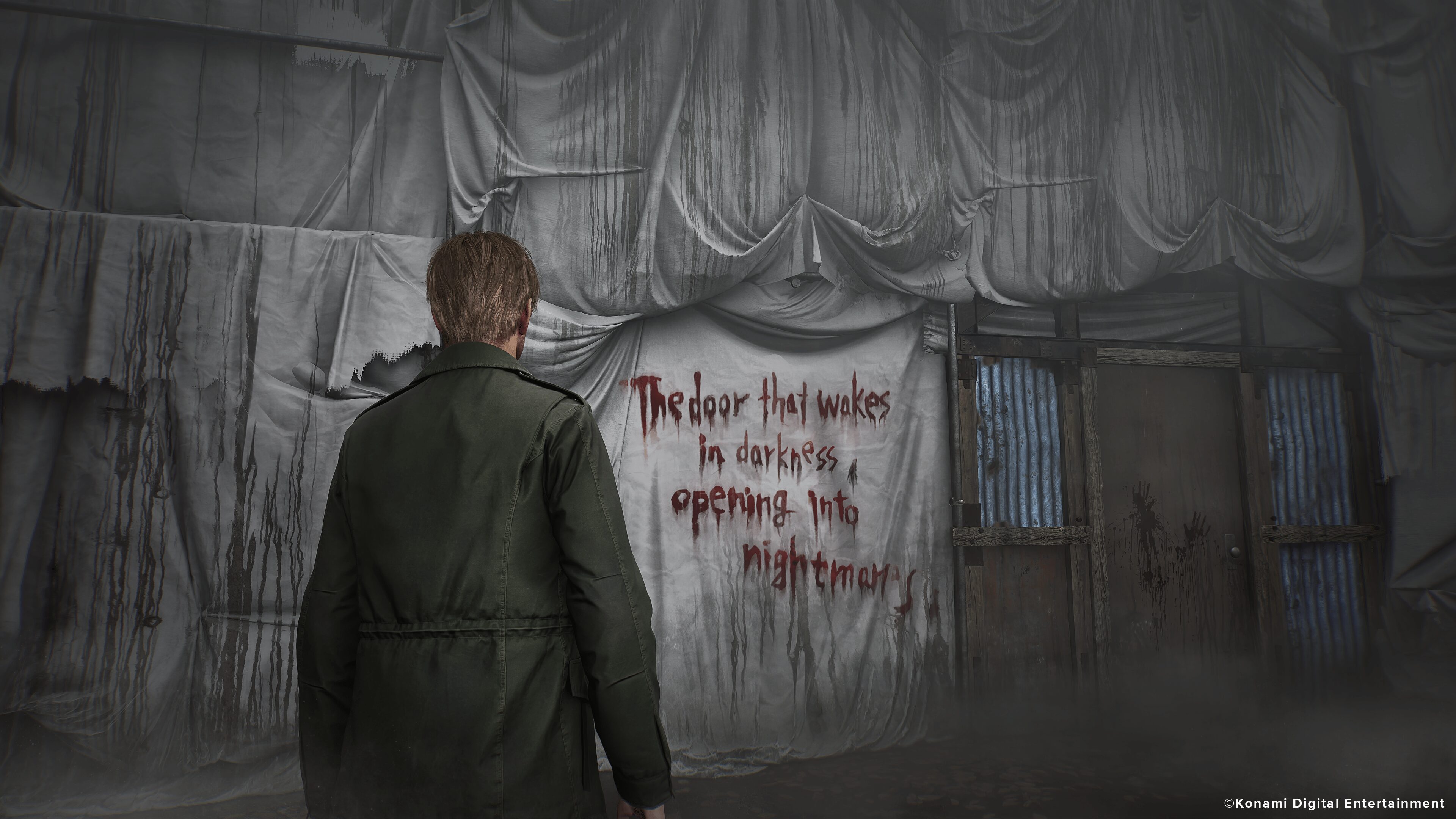
Konami reported the Silent Hill 2 remake has sold 5 million copies worldwide as of Jan 31. To mark the milestone it launched a Spring Sale on PlayStation Store, cutting Deluxe Editions 50% (e.g., Silent Hill 2 Deluxe from $79.99 to $39.99) and offering 40% off standard/deluxe two-game bundles until March 25. The promotion, paired with critical acclaim and an active remake pipeline (Bloober Team’s original Silent Hill remake and Screen Burn’s upcoming Silent Hill: Townfall), should drive near-term digital revenue and engagement but is unlikely to be a material market-moving event.
The recent commercial trajectory of this legacy horror IP is more a strategic signaling event than a one-off revenue bump: management appears to be prioritizing rapid share growth and platform engagement over short‑term unit margin, which should materially increase the install base and lower user acquisition economics for sequels and live products. If conversion rates to paid upgrades, ancillary licensing, or subscription retention exceed 5–10% of new installs over the next 6–12 months, the present value of future cashflows tied to the franchise rises more than headline unit-sales numbers imply.
Second‑order beneficiaries are platform owners and middleware/tool vendors: higher engagement on consoles translates into stickier subscriptions and higher digital wallet share for platform holders, while accelerated remake pipelines reduce marginal costs per title through shared engines and asset reuse. Conversely, smaller independent studios with thin balance sheets face tougher deal terms as IP owners consolidate remake outsourcing to proven partners, compressing developer margins and raising M&A activity in the 12–24 month window.
Key risks are execution and durability — a poorly received follow‑up or a bottlenecked release schedule would rapidly reset pricing power and reintroduce dependence on promotional cycles, returning the franchise to a low-growth treadmill. Near‑term catalysts to watch are engagement and retention metrics in the next 1–3 months, announced DLC/licensing deals in 3–9 months, and reception of subsequent remakes over the next 12–24 months; each is capable of producing asymmetric revaluations if they deviate materially from current expectations.
AI-powered research, real-time alerts, and portfolio analytics for institutional investors.
Request DemoOverall Sentiment
moderately positive
Sentiment Score
0.35
