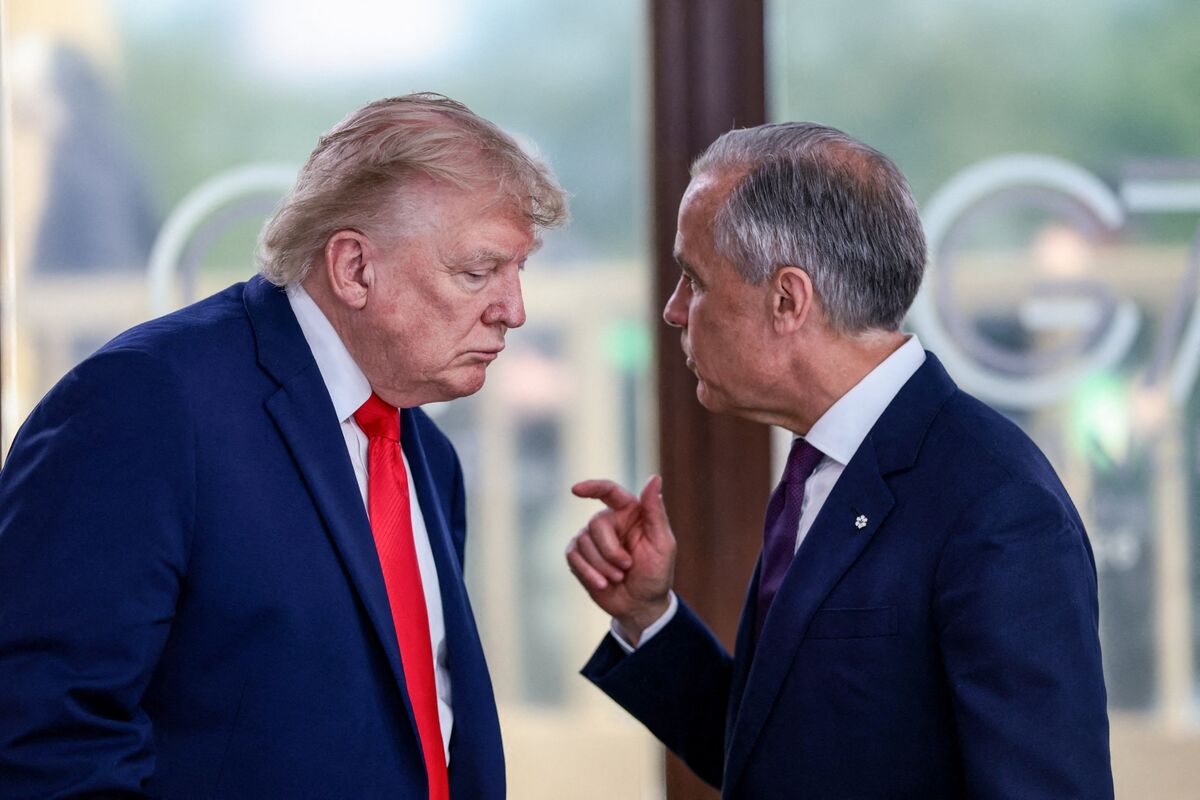
Canada is allowing up to 49,000 Chinese EVs over a 12-month period at an effective tariff rate of around 6%, down from more than 100% previously. Prime Minister Mark Carney said President Trump is comfortable with the structure of the deal. The news is mainly relevant to trade policy and the EV sector, with limited immediate market impact.
This is less about incremental unit volume and more about legitimizing a controlled channel for Chinese EV access into a G7 market. The structural significance is that once one developed market accepts a quota-plus-low-tariff framework, it creates a template other import-dependent economies can copy, especially where domestic auto lobbies are weaker. The immediate beneficiary is not a single automaker but the entire China EV ecosystem: OEMs get a path to preserve utilization, while battery, inverter, and component suppliers gain another outlet for excess capacity.
The second-order losers are North American and European legacy OEMs that rely on tariff walls to slow Chinese price competition. Even if the quota is small relative to total regional sales, it can anchor a lower reference price for compact EVs and pressure residual values, financing arms, and lease economics over the next 6-18 months. That matters because EV adoption has been constrained by sticker price and monthly payment, so cheaper imported product can force incumbents into margin-sacrificing promotions rather than volume growth.
The contrarian view is that this may be more about political signaling than trade liberalization. A capped quota with a low tariff is still a managed trade regime, so the near-term earnings impact on North American OEMs may be overstated unless the model is expanded or copied elsewhere. The real catalyst to watch is whether the arrangement survives lobbying pressure as Chinese penetration rises; if it does, the market may be underpricing a gradual re-rating of Chinese EV export capacity over 12-24 months.
AI-powered research, real-time alerts, and portfolio analytics for institutional investors.
Request DemoOverall Sentiment
neutral
Sentiment Score
0.05
