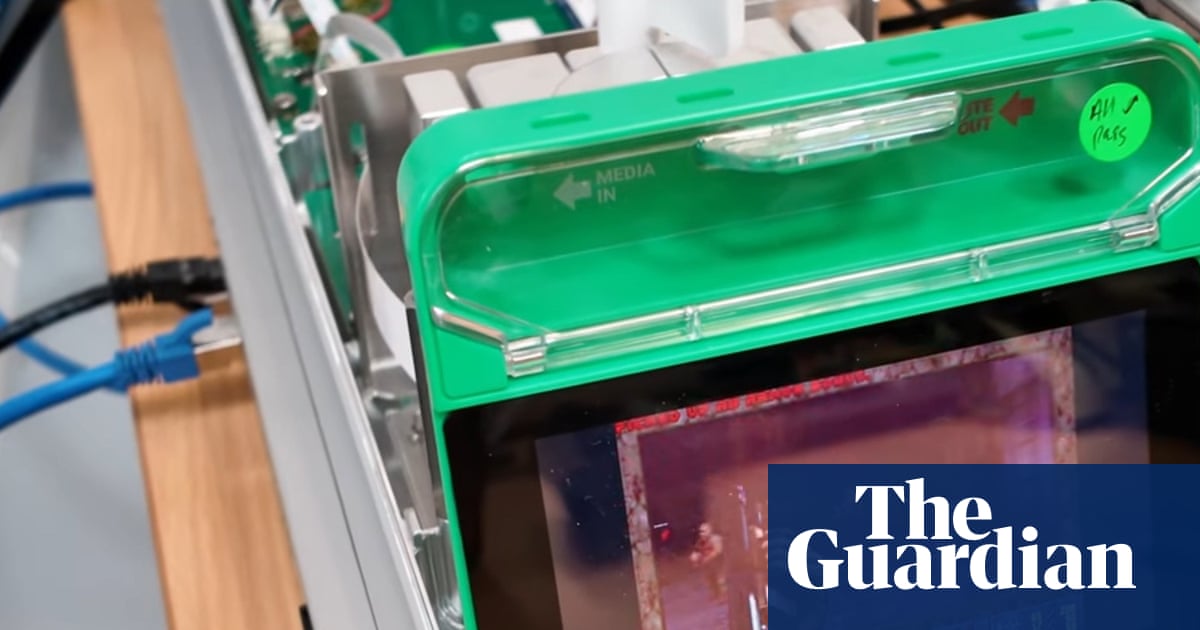
Cortical Labs used ~200,000 human neurons grown from iPSCs to run the 1993 shooter Doom, while Eon Systems scanned and emulated a fruit fly brain (~140,000 neurons) to create a virtual insect. Firms position these advances toward biomedical research (disease modelling and personalized drug testing) and robotics, but emphasize early-stage status and research use rather than near-term commercial rollout. Ethical, regulatory and safety concerns (sentience, memory override) and technical gaps limit immediate market impact, making effects on equities and broader markets uncertain.
The immediate commercial winners are the capital goods and services that scale wet-lab throughput and imaging rather than the narrative headline players. Firms that own high-throughput EM, automated iPSC production, microelectrode array manufacturing and regulated cell banks will capture the majority of near-term spend; that bottleneck creates a 6–18 month window of outsized revenue for instrument/service incumbents and CDMOs while startups scramble to industrialize reproducible processes.
Regulatory and reputational risk is the dominant headline tail: expect formal guidance, ethics committees and at least one high-visibility hearing within 6–24 months that could temporarily freeze funding or raise compliance costs. A contamination event, data-provenance scandal, or moratorium would be a fast catalyst to reverse enthusiasm and rerate early-stage players; conversely, clinical readouts showing better-than-expected disease-model predictiveness would unlock durable CRO/CDMO contract growth in 12–36 months.
For strategy, favour structural suppliers and service providers over single-product biotech stories: suppliers compound predictable capex cycles and are acquisition targets for larger life-science conglomerates looking to buy scale and regulatory-compliant pipelines. The broader misconception is binary sentience headlines; the underappreciated durable rent is control of standardized, regulatory-ready human cell banks and validated encoding/decoding IP — those assets become tollgates for commercialization, not novelty demos.
Longer term (3–7 years) expect convergence plays: device makers and cloud/GPU compute vendors will form partnerships with wet-lab leaders to commercialize closed-loop neuroprosthetics for sensorimotor tasks. That outcome is high-payoff but capital- and regulation-intense, favouring deep-pocketed incumbents or those with defensible regulatory pedigrees.
AI-powered research, real-time alerts, and portfolio analytics for institutional investors.
Request DemoOverall Sentiment
mixed
Sentiment Score
0.08
