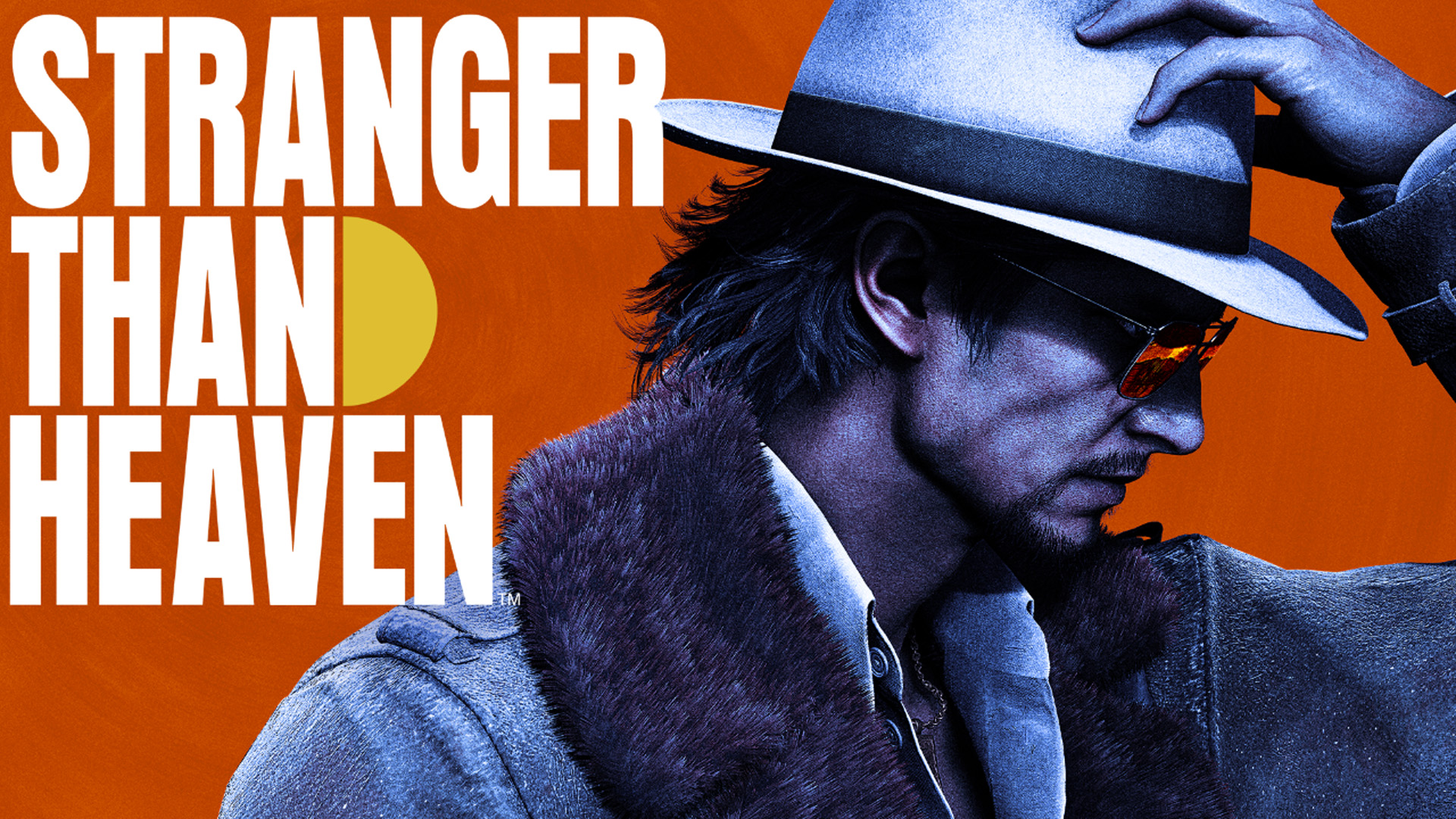
Xbox announced a 30-minute special presentation on May 6 for Stranger Than Heaven, a new action-adventure title from RGG Studio, with details on story, world, characters, and cast. The game spans five eras of modern Japan and five cities, and is slated for Xbox Series X|S, Xbox on PC, Xbox Cloud, Xbox Play Anywhere, and Xbox Game Pass. The article is primarily a promotional event notice with limited immediate financial impact.
This is less a single-game marketing beat and more a low-cost demand test for Microsoft’s broader content distribution stack. The meaningful second-order effect is not unit sales of the title on day one, but whether a flagship, multi-language, live-to-VOD event can lift conversion across the Xbox ecosystem: console engagement, PC store installs, cloud usage, and Game Pass retention. If the presentation produces strong social velocity, the near-term beneficiaries are the platform economics, because discovery-driven content has a much higher incremental margin than hardware-led acquisition.
For competitors, the risk is attention displacement rather than direct share loss. A premium first-party-style showcase from a Japanese studio strengthens Xbox’s credibility with older core gamers and action-adventure audiences who typically anchor platform loyalty over multi-year horizons. That can pressure Sony and Nintendo at the margin in APAC and among RPG/action enthusiasts, but the more immediate read-through is to other subscription libraries: when a single title is positioned as an event, it raises the bar for content cadence across the market and can make weaker release pipelines look comparatively thin.
The contrarian point is that expectations may already be too high for a narrative-heavy showcase. If the event overpromises scope and underdelivers on gameplay proof, the stock-level reaction may be muted while the underlying title still benefits from awareness. The real risk window is days, not months: the next catalyst is reception quality, then wishlist/engagement metrics, then any follow-through in Game Pass retention data over the subsequent quarter. A poor showing would not kill the thesis, but it would reduce the probability that this becomes a meaningful ecosystem acquisition event.
From a positioning standpoint, this is a cleaner trade on Microsoft’s consumer engagement optionality than on the game itself. The asymmetric upside comes if the showcase demonstrates that Game Pass can still function as a launch-and-retain engine for prestige content; downside is limited because expectations are not tied to near-term financial disclosure. That makes it a classic sentiment event with potential to nudge multiple expansion in the ecosystem if the market starts to ascribe more value to content-led stickiness.
AI-powered research, real-time alerts, and portfolio analytics for institutional investors.
Request DemoOverall Sentiment
neutral
Sentiment Score
0.12
