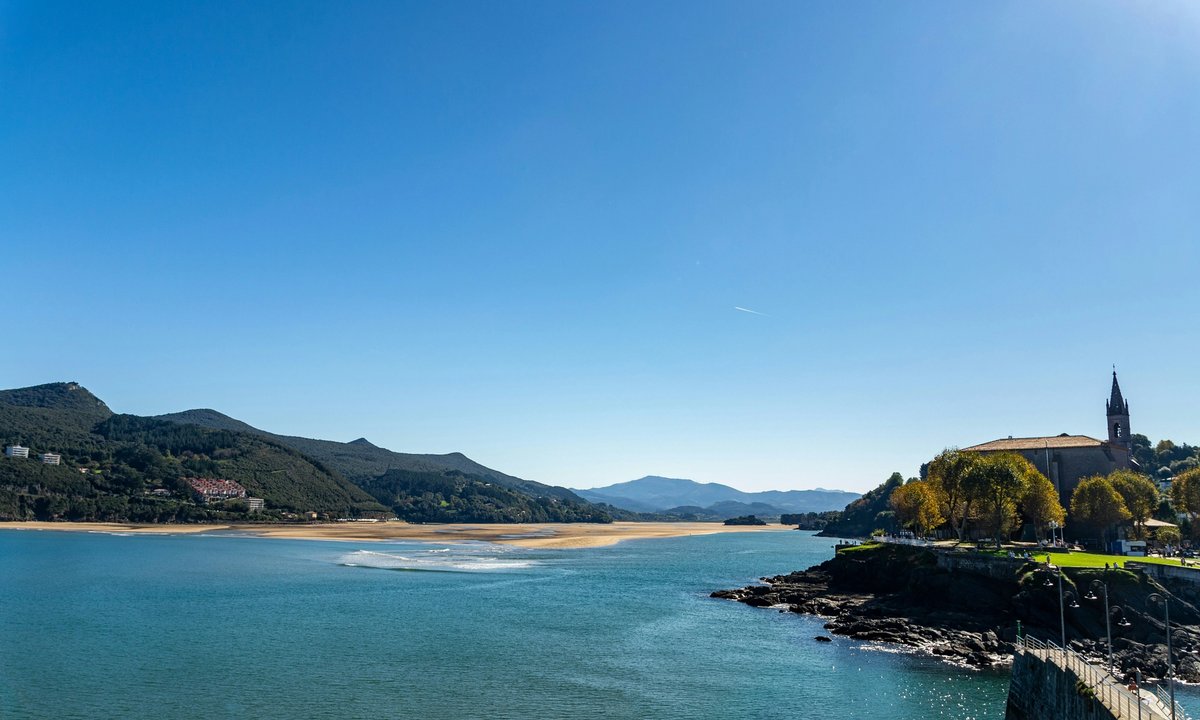
The Guggenheim board — comprising the Basque regional government, the Biscay provincial council and the Solomon R. Guggenheim Foundation — voted on 16 December not to proceed with a proposed €128m satellite museum in the Urdaibai biosphere reserve, citing territorial, urban planning and environmental constraints. Backers had forecast 148,000 visitors and €31.2m in associated annual expenditure (annual economic impact ~€78.1m, €41.1m to the Basque community), but environmental groups and a Greenpeace lawsuit over reduced maritime-terrestrial protections opposed the plan; the existing Guggenheim Museum Bilbao recorded 1.3m visitors in 2024 (down 2% year-on-year).
Market structure: The cancelled Guggenheim Urdaibai project transfers ~€128m of one‑off capex and a forecasted €31.2m/year in tourist spending back into the local economy rather than into construction and cultural real‑estate chains. Direct losers are local construction/engineering contractors and specialty contractors that target cultural/coastal projects; winners are incumbent Bilbao tourism assets (museum, hotels, transport) that avoid short‑term visitor fragmentation. The shift is material locally but immaterial to large-cap Spanish builders (project ≈0.1–0.5% of market caps), so pricing power of national contractors is only marginally affected.
Risk assessment: Key tail risk is a legal precedent if Greenpeace’s suit succeeds — that would raise permitting costs for coastal/UNESCO‑adjacent projects across Spain and the EU, increasing capex schedules and insurance premia for developers (impact window: 3–24 months). Immediate volatility is low, but watch for regulatory tightening and municipal litigation creating multi‑year delay risk for greenfield cultural and leisure projects. Hidden dependency: regional credit lines and guarantees from the Basque government may carry contingent liabilities if political backers had underwritten future pledges.
Trade implications: Do not overweight large Spanish contractors for a materials gain; prefer event‑driven, small asymmetric trades: buy short‑dated put spreads on exposed contractors to hedge regulatory repricing while selectively adding long exposure to transport/hospitality operators benefiting from consolidated Bilbao tourism. Fixed‑income managers should underweight Basque/regional paper until legal clarity; implied spreads could widen 10–50bps on adverse rulings. Catalysts include court decisions (30–120 days), regional budget revisions (next fiscal update) and UNESCO commentary.
Contrarian angle: Consensus treats the decision as a local environmental victory with negligible market impact — but a plaintiff win in the Greenpeace case would be a structural tightening catalyst for coastal development risk premia across Europe, creating year‑long alpha for long volatility/insurance‑linked strategies and short exposure to marginal coastal real‑estate developers. The market may underprice litigation spillovers; small, option‑based hedges are likely cheaper than fundamental shorts given limited direct cashflow exposure.
AI-powered research, real-time alerts, and portfolio analytics for institutional investors.
Request DemoOverall Sentiment
moderately negative
Sentiment Score
-0.30
