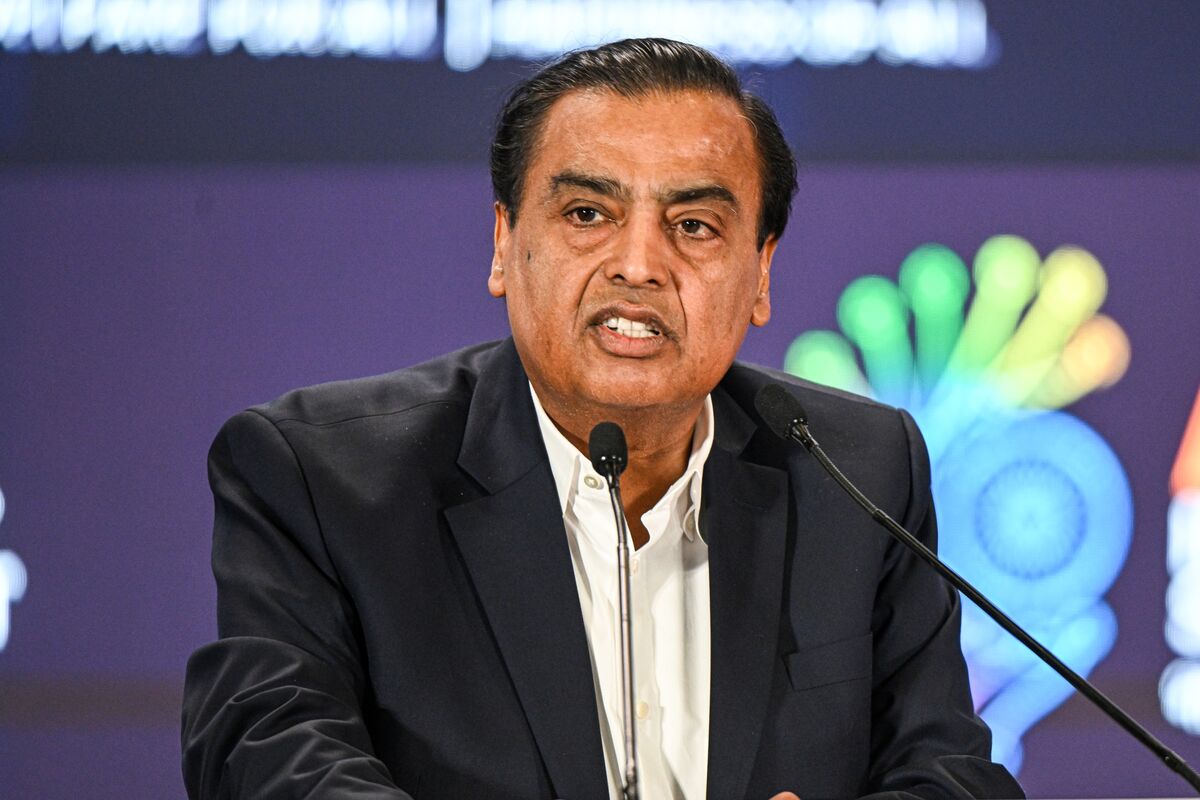
Mukesh Ambani said Reliance is taking "deliberate steps" to strengthen Jio and will keep evaluating "strategic pathways" to broaden stakeholder participation. The company gave no update on the long-awaited Jio Platforms IPO, which is still expected to potentially raise as much as $4 billion. The note is largely procedural and offers limited new information for valuation or near-term trading.
The lack of an IPO update is more informative than a headline postponement: it keeps optionality alive while preserving negotiating leverage with strategic investors and regulators. That usually signals management believes the asset is worth more in private markets than public ones, or that it wants a cleaner narrative on monetization and governance before price discovery. For competitors in Indian telecom and digital services, the key second-order effect is that Jio remains a capital-allocation weapon rather than a capital-constrained listed vehicle, which keeps pressure on pricing, bundling, and customer acquisition economics.
The near-term loser is any public-market cohort that was positioning for a valuation event and associated passive/flow support. A delayed listing can also suppress sector multiple expansion because investors lose a clear comp for India internet and telecom assets, and the market is left with ambiguity around how much cash will be recycled into growth versus used for balance-sheet optimization. Over a 3-12 month horizon, the real catalyst is not the IPO itself but evidence of monetization discipline: if management continues to hint at “strategic pathways,” that often precedes a minority stake sale, data-center partnership, or platform-level carve-out before a public filing.
The contrarian read is that the market may be underestimating how much value is already embedded in a delayed process. A no-IPO-now posture can be bullish if it increases scarcity value and allows a higher valuation at a later date, especially if AI, cloud, or enterprise connectivity narratives mature into a better growth story. The main tail risk is governance fatigue: if investors interpret the silence as a pattern of perpetual deferral, the discount rate on the conglomerate’s digital assets rises and could cap the holding-company multiple for months. That makes the next communication from management a higher-signal event than the listing itself.
AI-powered research, real-time alerts, and portfolio analytics for institutional investors.
Request DemoOverall Sentiment
neutral
Sentiment Score
0.05
