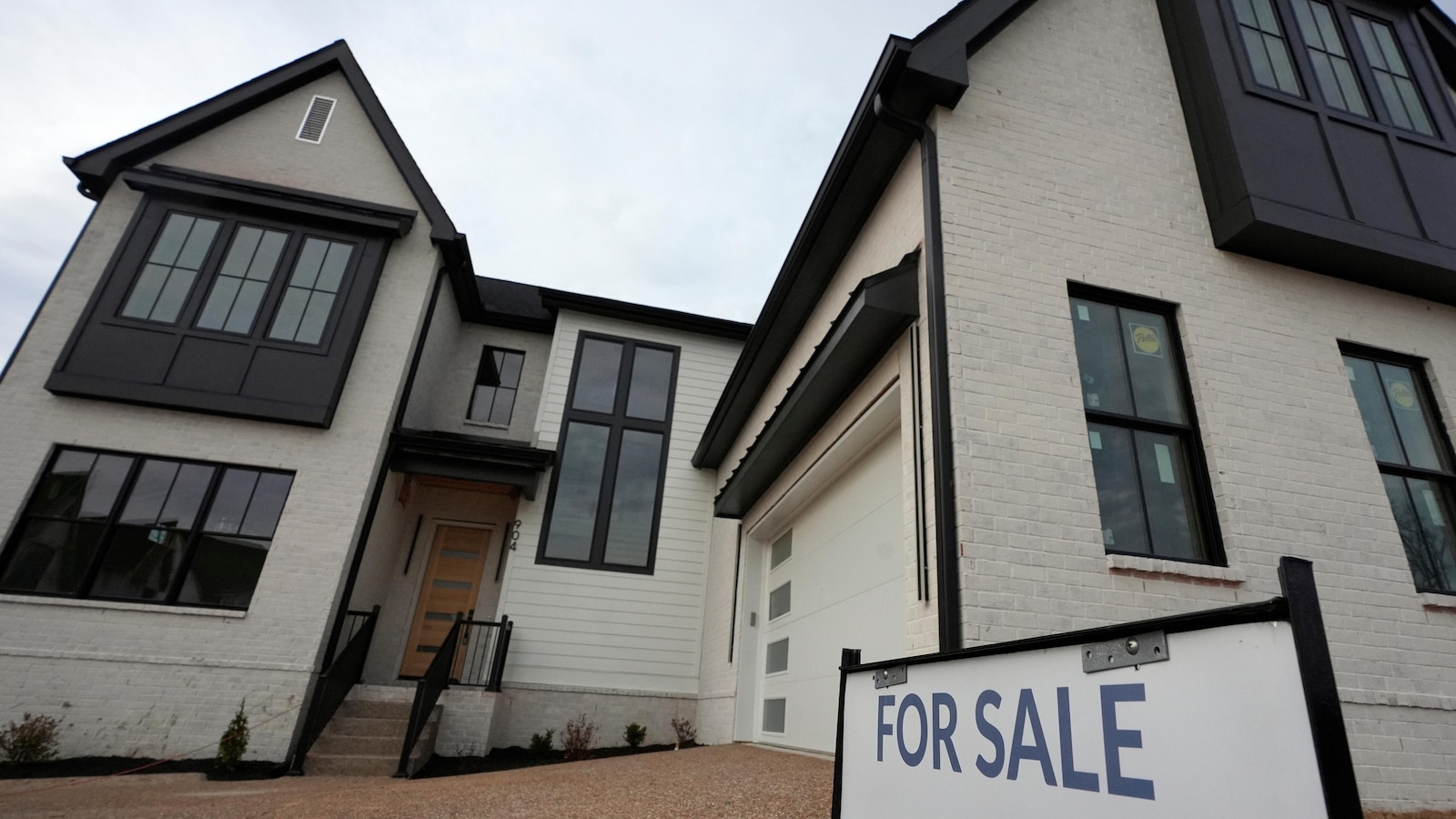
The average 30-year fixed mortgage rate rose to 6.37% from 6.30% last week, while the 15-year rate increased to 5.72% from 5.64%. Mortgage rates are being pressured by bond market volatility and higher oil prices tied to the war with Iran, which is reinforcing inflation worries and pushing the 10-year Treasury yield to 4.37%. The move is a headwind for housing affordability and the spring homebuying season, though rates remain below year-ago levels.
The immediate winner from this move is not housing itself but the upper quality end of credit and duration-sensitive balance sheets. A renewed backup in mortgage rates tightens affordability just as spring demand is fragile, which should keep home-price momentum subdued and raise the dispersion between resilient, low-leverage builders and the rate-sensitive fringe. In second order, higher mortgage spreads also pressure mortgage origination and servicing economics: refinance activity stays depressed, while pull-through on new purchase applications becomes more volatile, creating earnings noise for lenders and servicing-heavy models.
The bond-market channel matters more than the housing channel over the next few weeks. If energy-driven inflation fears persist, the 10-year can keep cheapening even without a major shift in Fed expectations, and that raises the probability that mortgage rates stay elevated into the summer selling season. The key risk is that housing weakness becomes self-reinforcing: slower turnover reduces ancillary spending on appliances, flooring, furniture, and moving services, which can bleed into consumer discretionary names with a 1-2 quarter lag.
The contrarian setup is that the market may be overestimating the durability of the oil-inflation link. If geopolitical risk premium stabilizes or the Fed leans harder against inflation expectations, mortgage rates can retrace quickly because housing is now highly rate-elastic; even a 25-40 bp decline in the 10-year can materially improve affordability and refinancing math. That makes this a tactical rather than structural bearish housing signal unless energy keeps feeding through to broader inflation prints.
On balance, this is a relative-value opportunity more than a broad macro short: the losers are the least rate-flexible housing supply chain names, while better-capitalized builders and diversified home-improvement retailers can still take share if competitors cut starts and promotions. The better trade is to own quality and short fragility, not the sector in aggregate.
AI-powered research, real-time alerts, and portfolio analytics for institutional investors.
Request DemoOverall Sentiment
mildly negative
Sentiment Score
-0.25
