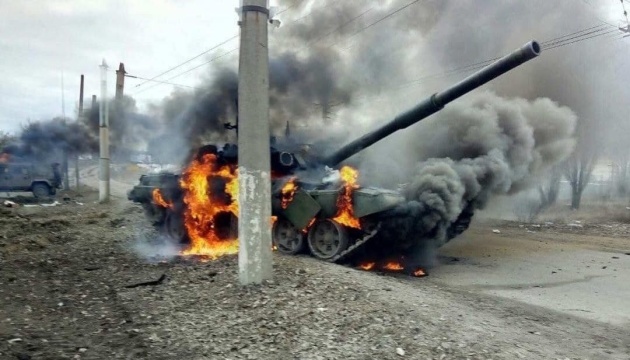
The Ukrainian General Staff reported that Russian forces have suffered approximately 1,241,530 casualties from Feb. 24, 2022 to Feb. 2, 2026, including 850 killed or wounded in the past 24 hours. Kyiv-listed tallies of materiel losses include 11,627 (+2) tanks, 23,981 (+1) armored fighting vehicles, 36,802 (+25) artillery systems, 1,633 (+1) MLRS, 1,291 (+1) air-defense systems, 4,205 cruise missiles, 435 warplanes, 347 helicopters and 121,217 (+1,083) tactical UAVs, as well as 76,585 (+146) vehicles/fuel trucks and 28 warships (including 2 submarines); figures are being continuously updated.
Market structure: Persistent high attrition (aircraft, UAVs, artillery) increases near-term demand for munitions, sensors, spares and air-defense—this favors Tier-1 defense primes (LMT, NOC, RTX, GD) and specialty suppliers (missiles, ISR) with order backlog visibility; energy and commodity producers see higher pricing power if supply disruptions or sanctions push Brent >$85 within months. Cross-asset flows will be risk-off: expect short-term bid to USD, gold (GLD) and USTs, while oil and industrial metals rally; volatility (VIX) should re-price higher in episodic spikes, widening option premia.
Risk assessment: Tail risks include NATO entanglement or strike on energy infrastructure pushing Brent >$100 within 30 days (high-impact low-probability) and broadening sanctions that freeze supply chains for aerospace components for 6–18 months. Hidden dependencies: defense revenue upside depends on congressional appropriations and semiconductor/rare-earth availability; supply-chain bottlenecks can cap margin expansion even if orders surge. Key catalysts: US aid votes, major offensives, or Russian mobilization announcements over next 2–12 weeks.
Trade implications: Prefer conviction-size, hedged exposures: buy defense equity/call spreads and energy producers, add gold and selective duration on VIX-driven dips; use pair trades to isolate defense vs commercial aerospace (long LMT, short BA) and buy 3–6 month call spreads on LMT/NOC to limit downside. Entry/exit: stagger buys across 0–6 weeks; trim if VIX drops >40% from peak or if Brent reverts below $75 for 10 trading days.
Contrarian angles: Consensus may already price 6–12 month defense upside — if US budget gridlock emerges, upside could be capped and multiples compress (reversal risk). Historical parallels (post-2014 Ukraine) show procurement cycles lift mid-tier suppliers unevenly; mispricings likely in smaller suppliers with backlog but weak balance sheets. Watchables: DoD press releases, US aid vote counts, Brent >$90 for 10 days, and VIX >25 as triggers to scale exposure.
AI-powered research, real-time alerts, and portfolio analytics for institutional investors.
Request DemoOverall Sentiment
strongly negative
Sentiment Score
-0.60
