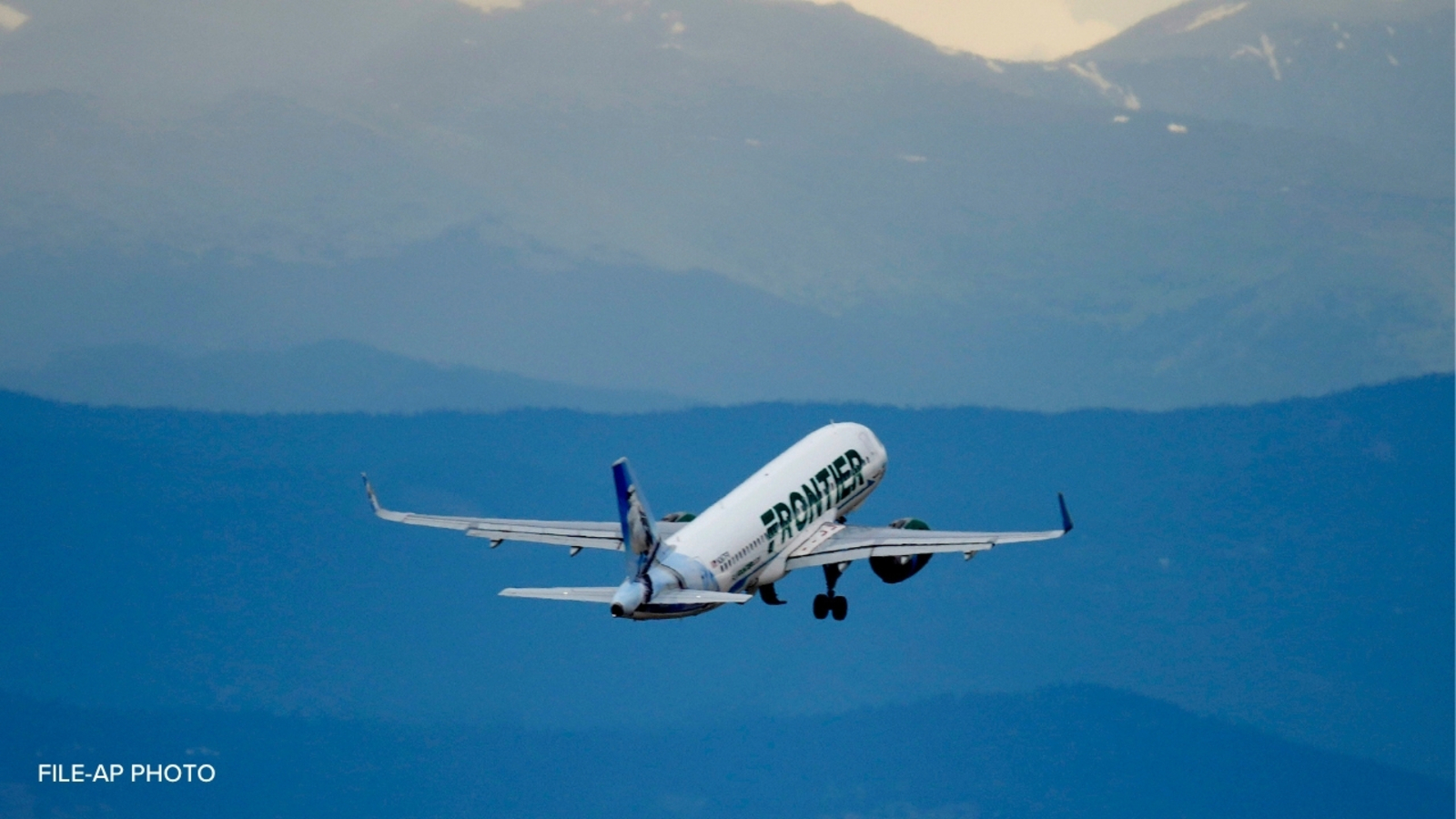
A Frontier Airlines flight reportedly struck an individual on runway 17L at Denver International Airport, forcing an evacuation after pilots reported an engine fire and smoke inside the aircraft. At least one minor passenger injury has been reported, and all 231 people on board are being evaluated. The incident is operationally severe for the airline and airport but is unlikely to have broad market impact beyond Frontier and aviation sentiment.
This is not just an isolated safety event; it is a latency shock to the entire airport ops stack. In the near term, the market should treat it as a probability increase for irregular-ops costs: gate holds, aircraft swaps, crew mispositioning, and tighter departure buffers at Denver and potentially at other hub airports with runway-adjacent traffic patterns. For low-cost carriers, even a single multi-hour disruption can leak through disproportionately via missed connections, reaccommodation expense, and customer trust damage, which tends to show up first in unit revenue before it appears in reported incident counts.
The second-order winner is every carrier with stronger schedule reliability and premium mix, because passengers who experience a safety headline usually do not switch back immediately. That benefits network airlines with more robust recovery operations and potentially trains incremental demand toward incumbents with broader hubs, while pressuring ULCCs where brand is already more price elastic and operational fragility is more visible. For airports and airport-services vendors, this also increases scrutiny on runway access control and perimeter security, which can accelerate capex and regulatory spend over the next 6-18 months.
The big miss in consensus is that the equity impact is likely less about the direct incident and more about policy and cost drag. A visible runway breach can trigger FAA review, additional staffing requirements, and more conservative ATC separation/procedural changes, which are small individually but compound into lower airport throughput and higher turnaround times. That is bearish for marginal operators whose economics depend on high utilization and tight aircraft rotations.
The contrarian view is that the selloff in any single carrier after an event like this is often overdone if the root cause is airport-side rather than airline-side, because the revenue hit is usually transient unless there is a pattern. The real trade is to fade broad-brush panic while staying short the operationally weakest names into any bounce, especially if management commentary starts to quantify higher irregular-ops expense or if regulators announce a review that extends beyond days into weeks.
AI-powered research, real-time alerts, and portfolio analytics for institutional investors.
Request DemoOverall Sentiment
strongly negative
Sentiment Score
-0.70
