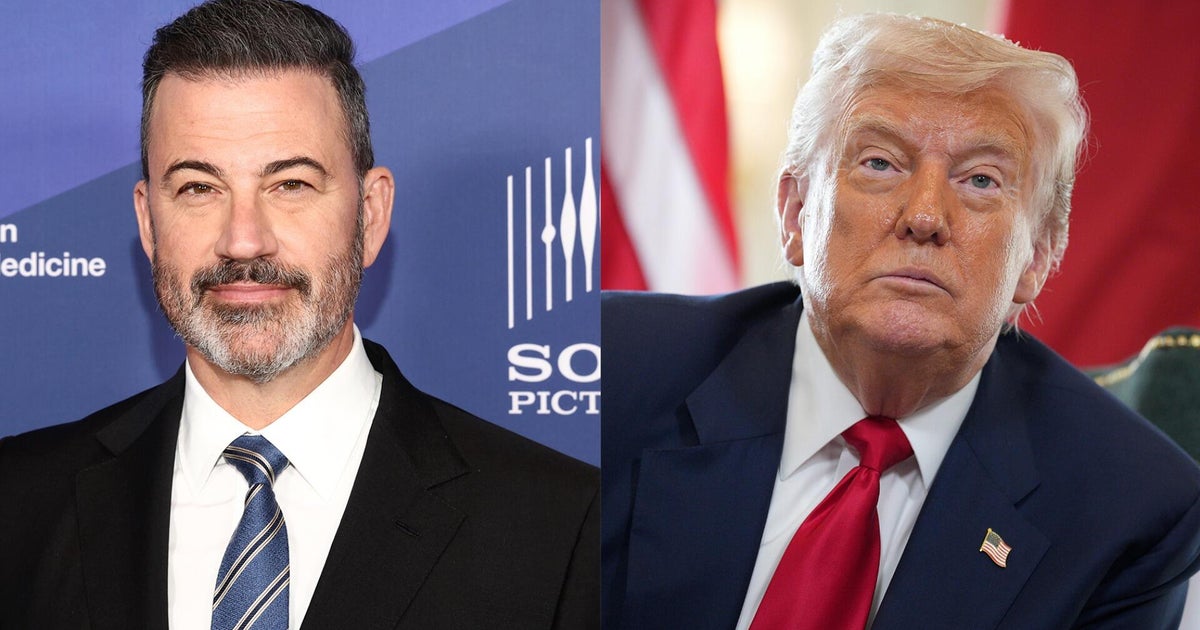
The FCC has ordered Disney to seek early license renewal for its ABC stations, while also investigating possible violations of the Communications Act and unlawful discrimination rules. The order affects eight ABC-owned stations, including WABC-TV New York and KABC-TV Los Angeles, with renewals originally due between 2028 and 2031. The action adds regulatory and legal risk for Disney amid political pressure surrounding Jimmy Kimmel and ABC.
This is less about one late-night host and more about a selective escalation of regulatory leverage over a politically sensitive media asset. The immediate market read is a modest risk premium on DIS, but the bigger second-order effect is that the FCC can extend resolution timing, keeping a governance overhang in place through the next election cycle and depressing management’s willingness to lean into contentious content. That matters because uncertainty, not fines, is the real earnings multiple suppressor here.
The asymmetric risk is that the agency effectively turns station license renewal into a bargaining chip across unrelated policy disputes. If that pattern holds, Disney’s local TV footprint becomes a source of recurring headline risk, and any incremental controversy at ABC can translate into operating friction, advertiser hesitation, or internal self-censorship. The market tends to underprice this kind of soft regulatory pressure because it is episodic, but it can shave 50-100 bps off valuation through a higher governance discount.
Contrarian view: the near-term selloff may be overstating durable cash-flow impact. The stations are not being threatened with immediate loss, and Disney has a credible procedural defense; if this becomes a slow legal process, the event decays into noise over 1-3 months. The more material risk is reputational and management distraction, which tends to show up later in content strategy and capital allocation rather than in this quarter’s numbers.
Competitive dynamics slightly favor non-Disney peers with less political exposure and more asset-light monetization. For local broadcasters and pure-play media companies, any Disney pullback from aggressive speech can create audience share opportunities in infotainment and sports-adjacent news, while larger competitors may benefit from a relative “safer harbor” perception among advertisers. This is a multiple story first, an earnings story second.
AI-powered research, real-time alerts, and portfolio analytics for institutional investors.
Request DemoOverall Sentiment
mildly negative
Sentiment Score
-0.35
Ticker Sentiment
