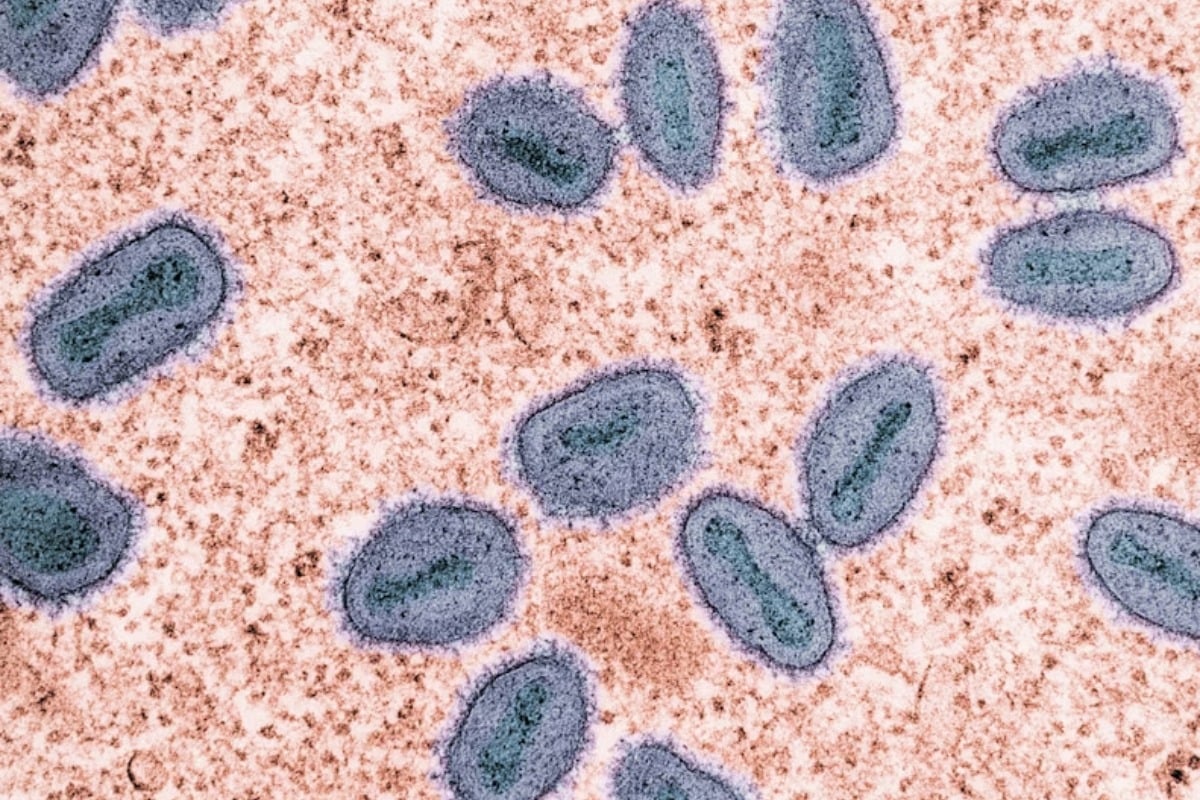
San Francisco confirmed its first clade I mpox case in an unvaccinated adult hospitalized after close contact with an international traveler. Officials said overall public risk remains low, but urged higher-risk residents to complete the two-dose JYNNEOS series ahead of summer travel and events. The CDC has identified 15 clade I cases nationwide through March, with community spread in the U.S. still limited.
This is not a broad market event; it is a localized public-health signal with a much larger implications map for vaccine utilization, testing cadence, and holiday-travel behavior. The first-order economic effect is limited, but second-order effects can show up in small upticks for vaccine distributors, clinic operators, and diagnostic demand if messaging shifts from “routine protection” to “finish the series before travel.” That matters because incremental uptake is likely to be concentrated in a narrow window of several weeks, which creates a temporary demand pulse rather than a durable step-up.
The biggest near-term read-through is not to large-cap healthcare but to the operating leverage embedded in smaller providers serving public-health campaigns. If local agencies push more testing and vaccination, pharmacies and retail clinics with dense urban footprint can capture volume with minimal incremental SG&A, while specialty diagnostic names may see modest same-quarter utilization lift. The second-order loser is discretionary event/travel spending only if the narrative broadens from isolated case to cluster risk; absent that, any demand drag should remain too small to matter at the sector level.
The market is likely underpricing the asymmetry between low baseline risk and high headline sensitivity. Even without meaningful transmission, media amplification can temporarily depress attendance at large gatherings and increase preventative health spending, which is why the near-term trade is more about sentiment volatility than clinical severity. The key reversal catalyst is rapid contact tracing with no secondary cases over the next 1-3 weeks; that would collapse fear premium quickly and likely fade any associated trades before month-end.
Contrarian view: the consensus may be too focused on the medical risk and not enough on the operational response curve. Public-health reminders ahead of summer can pull forward vaccination demand even if case counts stay contained, meaning the earnings impact may be positive for select healthcare distribution and retail pharmacy chains while the broader headline risk looks scary but monetarily trivial.
AI-powered research, real-time alerts, and portfolio analytics for institutional investors.
Request DemoOverall Sentiment
mildly negative
Sentiment Score
-0.15
