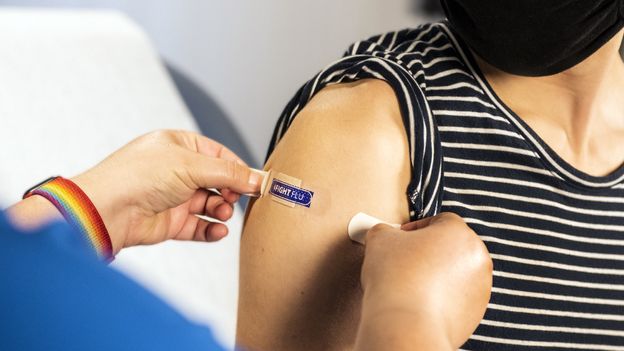
Influenza infects roughly 1 billion people annually and causes an estimated 290,000–650,000 deaths, while current seasonal vaccines typically reach up to ~60% effectiveness and require yearly reformulation. Multiple next‑generation strategies — including HA stem/conserved‑site vaccines (Krammer), polyvalent HA libraries (Heaton), neuraminidase- and T‑cell‑focused approaches, nasal innate‑immunity sprays (Stanford reported 100–1,000x pathogen reduction in mice lasting ~3 months), and AI‑assisted strain selection — have produced about a dozen candidates in clinical trials and promising preclinical data. Though scientifically encouraging, sources emphasize realistic timelines and funding needs, with improved broadly protective vaccines plausible on a 5–10 year horizon; near-term market impact is limited, but successful breakthroughs would meaningfully re-rate vaccine makers, platform biotechs and M&A dynamics in the medium term.
Market structure: Winners are AI compute and cloud providers (benefit from strain‑selection models), lab consumables/CROs (scale for numerous trials), and large diversified pharma with vaccine manufacturing and distribution (Pfizer PFE, Moderna MRNA, BioNTech BNTX, Thermo Fisher TMO, IQVIA IQV). Losers long‑term are single‑product seasonal vaccine specialists and small caps dependent on annual shot volumes (e.g., NVAX‑style risk). Expect pricing power to shift from annual-volume sellers to platform providers (AI, mRNA platforms, contract manufacturers).
Risk assessment: Tail risks include failed Phase II/III readouts, regulatory safety stops, or liability cases that can wipe out small developers; a negative readout could depress biotech indices by 20–40% in 3–6 months. Time horizons: immediate market impact ≈ nil; short term 3–12 months for AI adoption and strain‑selection improvements; long term 5–10 years for material revenue shift (estimate 20–50% mix change away from seasonal formulations). Hidden dependencies: manufacturing scale, IP/licensing, cold‑chain logistics, and WHO/regulatory acceptance thresholds.
Trade implications: Direct plays: overweight AI infrastructure (NVDA) and lab/CRO exposure (TMO, IQV) for 6–18 month appreciation tied to increased R&D spend; selectively short/avoid high‑burn vaccine small caps (NVAX) where >50% revenue is flu‑seasonal. Use options: 6–12 month call spreads on NVDA to express AI upside with defined risk; buy protective puts on small biotech longs. Rotate 3–7% portfolio from legacy vaccine names into Biotech tools and HealthTech.
AI-powered research, real-time alerts, and portfolio analytics for institutional investors.
Request TrialOverall Sentiment
neutral
Sentiment Score
0.10
Contrarian angles: Consensus underestimates the value transfer to platform providers — NVDA/TMO/IQV may see 10–30% upside before clinical readouts reprice biotech. Conversely, consensus overestimates speed: universal vaccines are unlikely to eliminate seasonal shots within 3 years, so a short on all seasonal vaccine makers is premature. Watch catalysts: positive Phase II cross‑clade efficacy >60% or WHO endorsement would be binary re‑rating events; adverse safety signals would reverse gains quickly.
