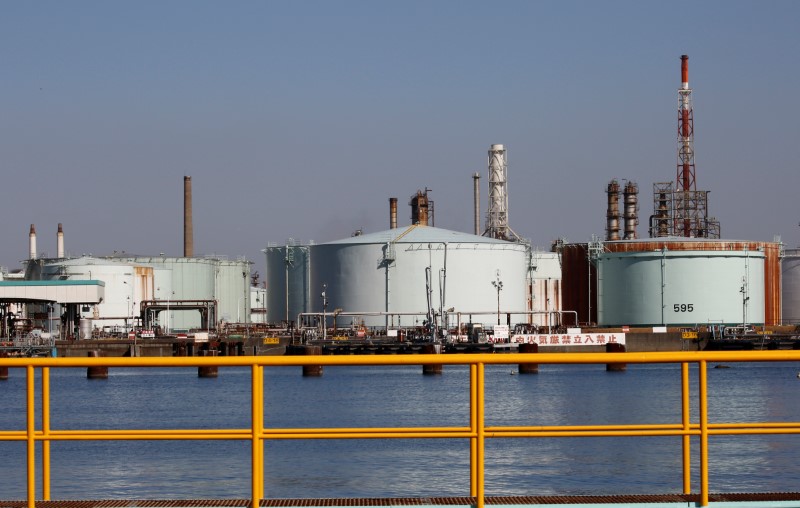
Brent is repeatedly testing $100/barrel while U.S. crude production is near 13.3M bpd, and a coordinated 400-million-barrel strategic release (including 180M barrels from the U.S.) has been deployed to restrain prices. Elevated oil is creating both consumer pain (~$5/gal gasoline) that pressures headline inflation and Fed 'soft landing' prospects, and a simultaneous shale-led stimulus via higher capex and jobs in Texas, New Mexico and North Dakota. The shutdown of the Strait of Hormuz raises geopolitical supply risk, making the net effect on U.S. growth dependent on whether shale stimulus outpaces the inflationary squeeze on middle-class spending.
The shale response is a real shock absorber but it is not instantaneous: incremental drilling and service-sector hiring create a 6–12 month production and payroll uplift, leaving a window where consumer-facing margins and confidence can deteriorate even as upstream cash flows rise. That timing mismatch creates asymmetric winners — regional labor markets and service contractors capture concentrated gains while national consumption patterns weaken unevenly, amplifying dispersion across retail and housing markets.
Higher energy-driven logistics costs transmit nonlinearly through just-in-time supply chains; large retailers with thin inventory margins see earnings volatility before headline CPI moves reflect the change. This raises the probability of uneven corporate revisions over the next 1–3 quarters, forcing tactical inventory and pricing decisions that will differentially impact grocers, discounters, and marketplace platforms.
Geopolitical risk premia in shipping and marine insurance are an underpriced lever: longer routing and higher war-risk premiums raise freight rates and favor asset-light owners, reinsurance lines, and certain tanker operators, while penalizing containerized trade and low-margin exporters. Refining and product cracks will bifurcate too — assets with access to heavy crude or flexible feedstock will rerate relative to light-sweet focused players.
The consensus that upstream benefits fully offset downstream pain is overconfident. Constraints on takeaway capacity, labor bottlenecks, and permitting mean full shale elasticity is conditional; a diplomatic de-escalation or coordinated releases could reverse price signals within weeks, while infrastructure lags would extend the divergence into the next year.
AI-powered research, real-time alerts, and portfolio analytics for institutional investors.
Request DemoOverall Sentiment
mildly negative
Sentiment Score
-0.15
