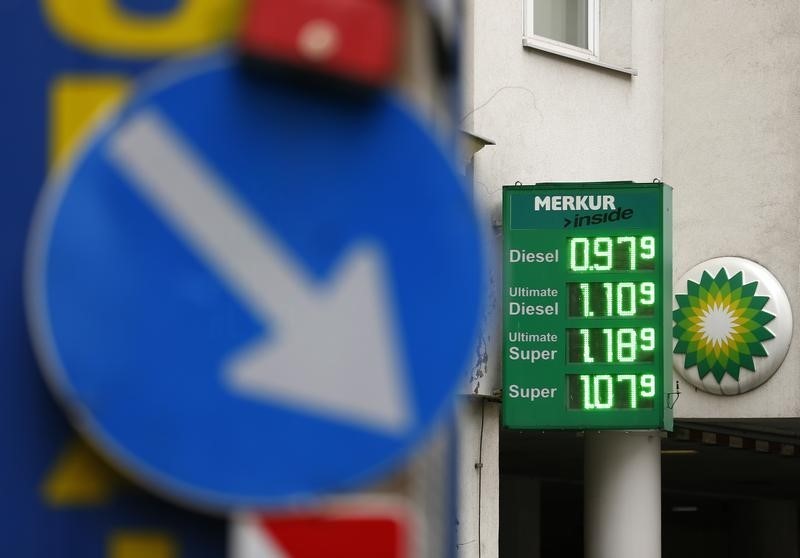
BP said its oil trading division is on track for an "exceptional" first quarter, a sharp reversal from a weak Q4 2025, as the U.S.-Israeli campaign against Iran has pushed oil prices higher and tightened supply. Net debt is also expected to rise to $25 billion-$27 billion from just over $22 billion, driven by a $4 billion-$7 billion working-capital build. Upstream output for Q1 is expected to be broadly flat versus Q4, while the update underscores new CEO Meg O’Neill’s turnaround agenda.
The key second-order effect is not just higher crude prices, but a forced redistribution of margin across the barrel: traders, refiners with access to flexible feedstock, and integrated majors with upstream exposure all benefit unevenly, while airlines, chemicals, and fuel-import-dependent Asian industrials face a near-term squeeze. The working-capital drag matters because it mechanically absorbs cash even when P&L is strong; that can cap buybacks and keep equity underperforming the spot move in the first half of the year. In other words, this is a balance-sheet story as much as a commodity story.
The most actionable implication is that the market may be underestimating how long the dislocation persists once physical flows are rerouted. A Strait-of-Hormuz shock tends to reprice prompt barrels and freight first, then spreads, then downstream demand; that sequencing can support crude-linked equities for weeks even if headlines fade. But if inventories stabilize or a ceasefire reopens flow confidence, the unwind can be violent because part of the bid is precautionary hoarding rather than true end-demand growth.
For BP specifically, the change in leadership raises the probability that management uses this window to accelerate portfolio simplification and lean harder into upstream/barrel leverage. That is supportive for near-term equity sentiment, but it also increases execution risk if the company chooses to prioritize debt reduction and capex discipline over capital returns. The contrarian view is that the market may be too focused on headline oil strength and not enough on the fact that the cash conversion is being delayed by inventory build, which can mute the stock response versus peers with cleaner balance sheets.
AI-powered research, real-time alerts, and portfolio analytics for institutional investors.
Overall Sentiment
mildly positive
Sentiment Score
0.35
