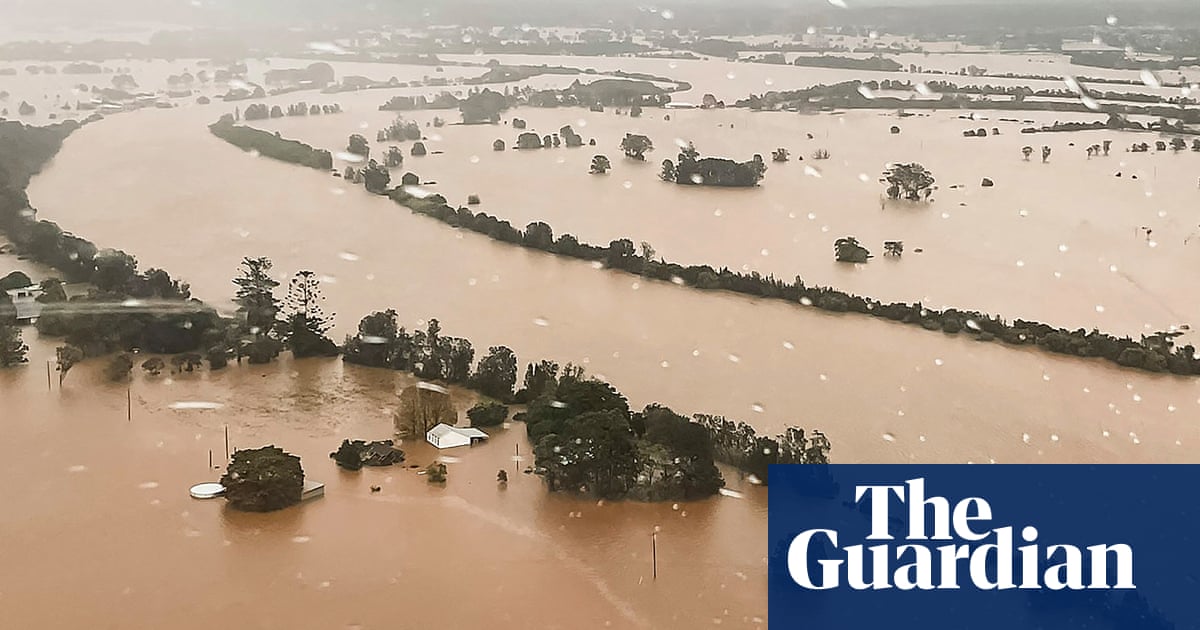
Severe flooding in New South Wales, Australia, has decimated farming communities, causing hundreds of millions in losses due to drowned livestock, pasture damage, and infrastructure damage; the floods compound existing challenges from previous weather events, potentially forcing a generation of farmers out of the industry. The disaster has resulted in at least three deaths, one missing person, and the isolation of 48,000 people, prompting criticism of delayed disaster declarations and rescue efforts. While community support is emerging, the long-term personal and economic toll on affected farmers is expected to be substantial, raising concerns about PTSD and the feasibility of recovery.
The severe flooding in New South Wales, driven by events like 200mm of overnight rain, has inflicted substantial damage on agricultural communities, particularly impacting dairy farmers and leading to estimated losses in the "hundreds of millions." This natural disaster has resulted in significant livestock losses, widespread pasture damage beyond the point of seasonal re-sowing for winter feed, and extensive destruction of infrastructure and machinery, which is anticipated to disrupt the supply chain for fresh milk. The crisis is compounded by pre-existing vulnerabilities, such as saturated soils from a wet autumn and the ongoing recovery from previous weather events including ex-Tropical Cyclone Alfred and the 2021 floods, raising concerns that "a generation of farmers are potentially going to go out of the industry." Beyond the direct economic impact, the floods have tragically caused at least three deaths, left one person missing, and isolated 48,000 individuals, with floodwater levels reportedly unseen since 1920, leading to public questioning of the timeliness and adequacy of official disaster declarations and rescue efforts. The long-term prognosis for the affected farming sector is challenging, underscored by significant recovery hurdles, the potential for widespread PTSD among farmers, and fundamental questions about the future viability of agricultural operations in the region.
AI-powered research, real-time alerts, and portfolio analytics for institutional investors.
Request DemoOverall Sentiment
extremely negative
Sentiment Score
-0.85
