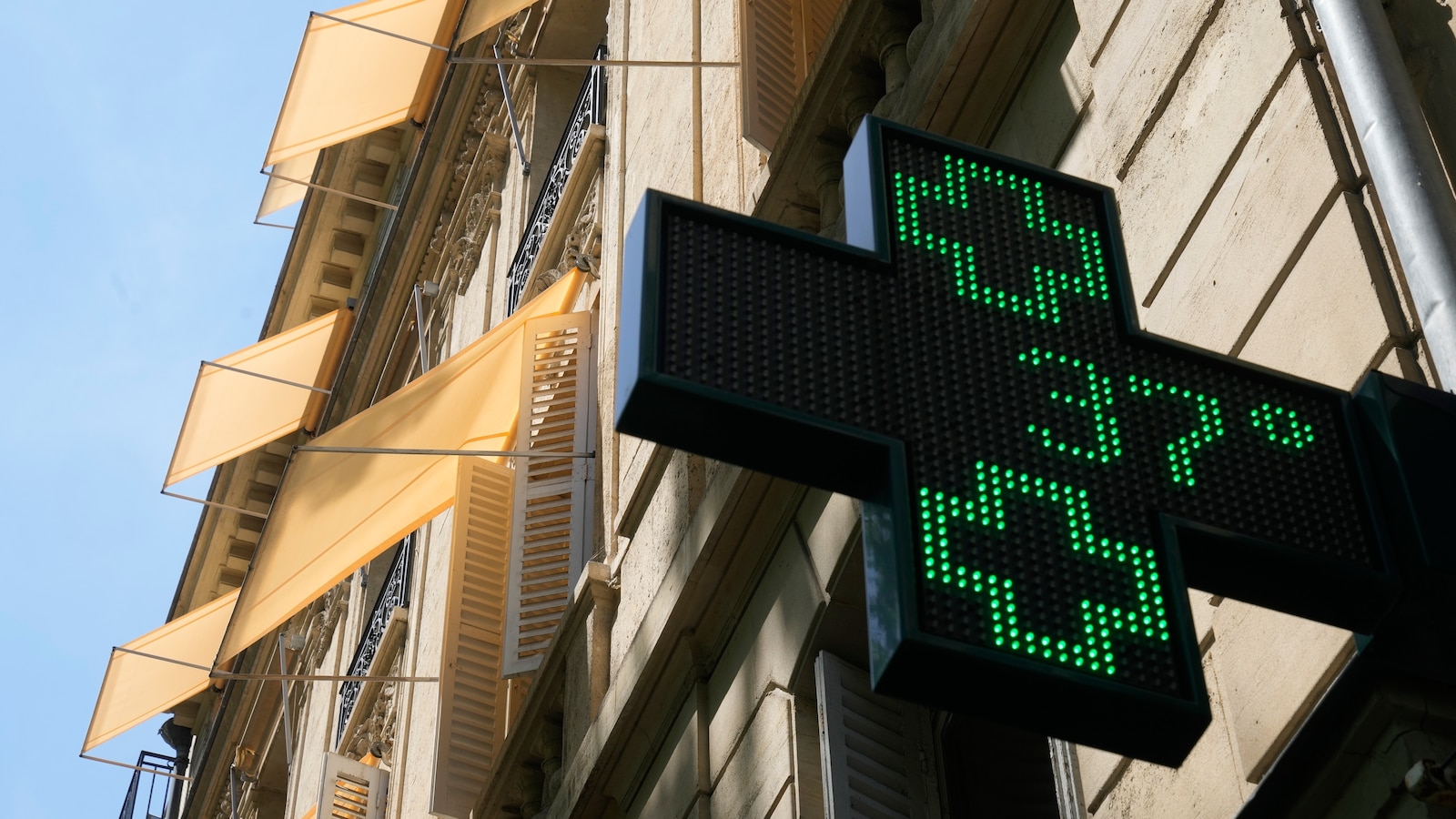
France is entering a week-long heat wave with temperatures above 40 C (104 F), while more than half the country is under red alert and conditions are expected to persist through at least Friday. The heat has already produced record warm nights in multiple towns, forced hundreds of school closures, and raised health risks from heat stroke and drownings. The broader impact is likely sector-level via disrupted education, transport, labor productivity, and health services rather than a direct market shock.
This is a near-term squeeze on productivity rather than a one-day weather headline. The market should think first about labor-intensive, non-climate-controlled businesses with exposed indoor staffing: logistics, retail, construction, and municipal services in France/UK will see absenteeism, slower throughput, and higher incident risk, while sectors with dispatchable work can absorb the shock. The second-order beneficiary set is narrower than usual: electricity demand rises, but in Europe the bigger marginal winner is not generators per se — it is grid operators and HVAC/retrofit chains, especially where cooling penetration is still under-penetrated.
The most important earnings effect is on operating leverage, not revenue. For consumer-facing names, heat waves compress gross margin via higher shrink, spoilage, and transport disruption while also depressing footfall during daytime hours; that tends to hit convenience, food retail, and hospitality before it shows up in macro data. If the heat extends into multiple weeks, the real catalyst is behavioral: institutions, schools, and employers adopt precautionary shutdowns, which can create a step-down in July activity even after temperatures normalize.
From a risk perspective, the tail event is public-health and infrastructure stress rather than simple discomfort. Europe’s older housing stock and low AC density mean mortality and service disruption can escalate quickly if nights stay hot for several more days; that raises the probability of local government intervention, altered work rules, and insurance claims. The contrarian point is that markets may underprice the persistence of demand for cooling-related capex: one severe summer can accelerate multi-year adoption of AC, heat pumps, backup power, and building insulation, creating a non-linear capex cycle in 2025-2027.
For tradable implications, this is more a relative-value than a broad equity short. The cleanest expression is long HVAC/thermal-management beneficiaries versus short consumer/discretionary or transportation names with French/UK operating exposure; the trade should work best over 2-6 weeks if temperatures remain elevated. Avoid chasing utilities outright unless there is a clear demand-side pass-through, because regulated pricing often caps the upside while fuel and balancing costs can rise first.
AI-powered research, real-time alerts, and portfolio analytics for institutional investors.
Request DemoOverall Sentiment
moderately negative
Sentiment Score
-0.40
