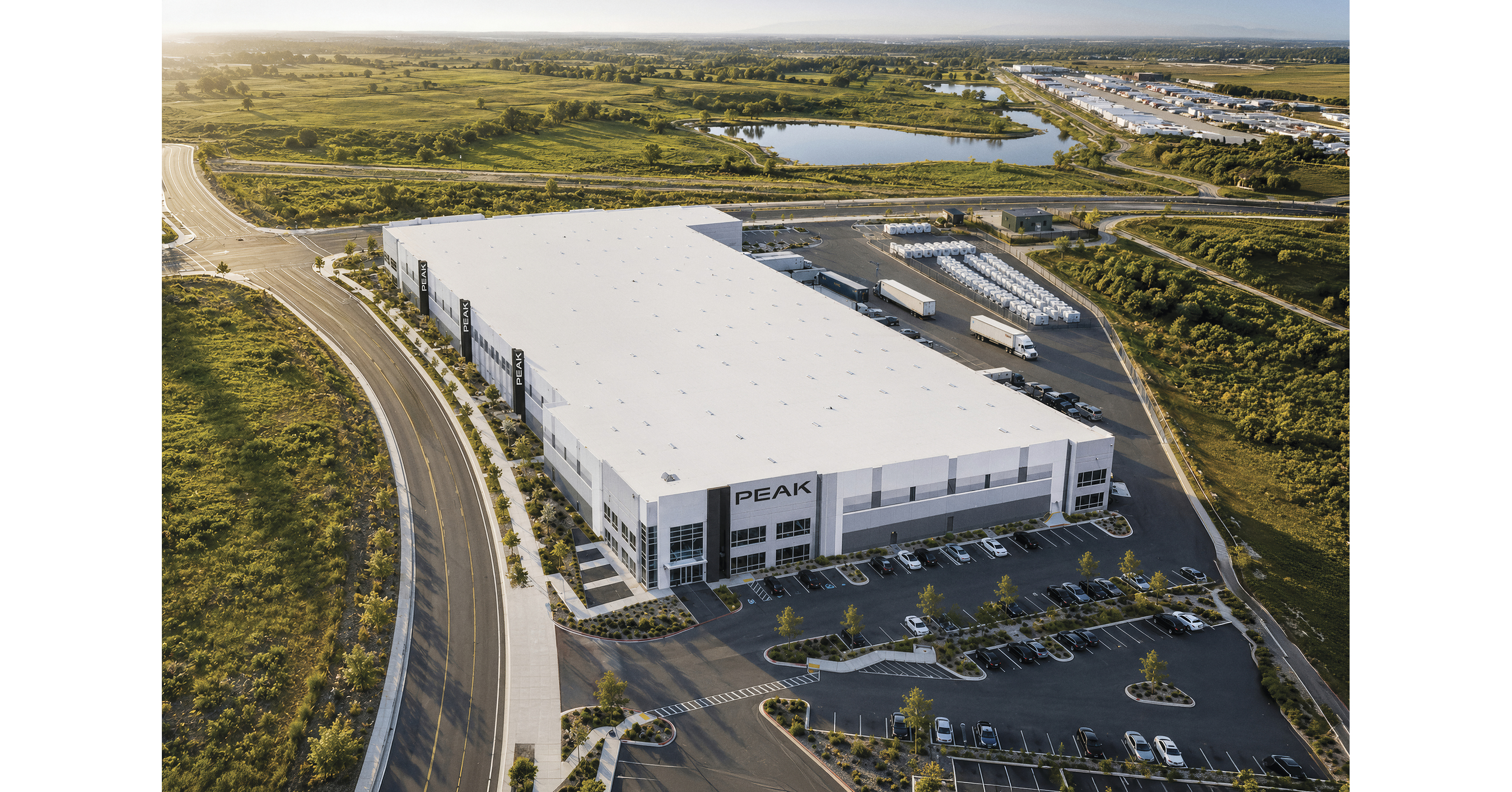
Peak Energy selected Sacramento for a new 183,000 sq. ft. manufacturing facility representing up to $71 million of investment, creating 239 local jobs and producing up to 4 GWh of grid-scale sodium-ion storage annually. The company expects systems to enter production and begin shipments in Q1 2027 and cites prior commitments exceeding 6 GWh, alongside a claimed 20% cost reduction and 99% guaranteed uptime. Peak also highlights potential California ratepayer savings of about $100 million per year from eliminating battery refrigeration and a new General Motors partnership to pair GM’s sodium-ion cell tech with Peak’s storage platform.
The market is likely to misread this as an instant winner/loser call when the more important signal is second-order: sodium-ion is becoming credible enough to pressure the economics of stationary storage, not to threaten every battery application. That shifts value away from chemistry owners and toward project developers, interconnect holders, and balance-sheet players that can source cheaper systems and scale faster; the near-term beneficiaries are the customers and integrators that can use lower-cost storage to win bids, while the losers are incumbent storage vendors that rely on premium pricing for reliability or thermal management.
For GM, the read-through is strategic rather than financial: this is optionality on a domestic grid-storage platform and supply-chain diversification, not a near-term earnings driver. The larger implication is for public-market storage narratives—if sodium-ion proves it can hold cost and uptime through field deployment, the multiple assigned to lithium-heavy storage names can compress before any revenue shifts show up in models. But if the first production ramp slips, the whole thesis reverts to a science project and the equity impact becomes mostly noise.
The contrarian point is that the addressable market here is narrower than the press release suggests. Sodium-ion’s cost advantage matters most where energy density is irrelevant and cycling economics dominate; that means the first real displacement is likely to be in utility-scale and long-duration storage niches over 6-18 months, not a broad replacement of lithium batteries. If lithium prices stay soft or data-center/storage demand cools, the urgency fades and the value proposition narrows quickly.
AI-powered research, real-time alerts, and portfolio analytics for institutional investors.
Request DemoOverall Sentiment
strongly positive
Sentiment Score
0.55
Ticker Sentiment
