


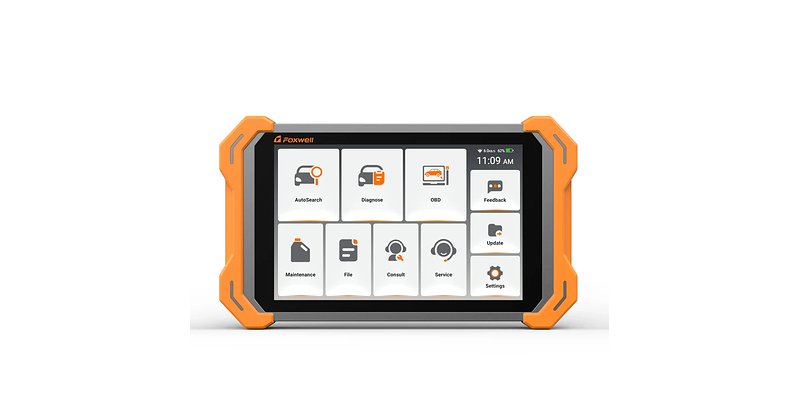
Foxwell launched the NT919 BT bidirectional diagnostic scanner, adding 3,000+ active tests and ECU coding plus 34+ maintenance services, with CAN-FD and DoIP support for next-generation vehicle communication. The unit also includes one-click VIN scanning, 8-inch Android-based touchscreen hardware (4GB RAM/64GB storage), and coverage for 140+ vehicle brands. This is a product-expansion update rather than a financials event, likely limited near-term price impact.
The economic transfer here is not to the scanner maker; it is a slow reallocation of repair economics from franchised dealer bays to independents. Better bidirectional tools raise throughput and make more complex jobs economically repairable outside the OEM channel, which is a quiet margin headwind for dealer aftersales where labor rates and parts capture are highest. That matters most for legacy-heavy fleets where electronic complexity is rising faster than dealer service productivity, notably GM and VW ecosystems.
The more important second-order issue is software access. If gateway registration and protocol access become normalized, OEMs can monetize friction at the margin, but they also increase the odds of right-to-repair pressure and regulatory scrutiny over the next 6-18 months. Near term, this is unlikely to move GM, RNLSY, or VWAGY earnings by itself; the stock impact becomes relevant only if dealer service disclosures start to soften or independent repair penetration accelerates into the next reporting cycle.
Contrarian view: the market may overread a product launch from a peripheral vendor as evidence of a structural shift, but diagnostics is a crowded, low-moat category and this is not a demand signal. The cleaner read is that complexity is becoming more accessible, which is incremental for aftermarket incumbents and modestly negative for OEM service monopolies. Falsifiers are simple: stable dealer service margins, no change in repair channel mix, and no rise in repair-access regulatory activity over the next two quarters.
AI-powered research, real-time alerts, and portfolio analytics for institutional investors.
Overall Sentiment
mildly positive
Sentiment Score
0.18
Ticker Sentiment
