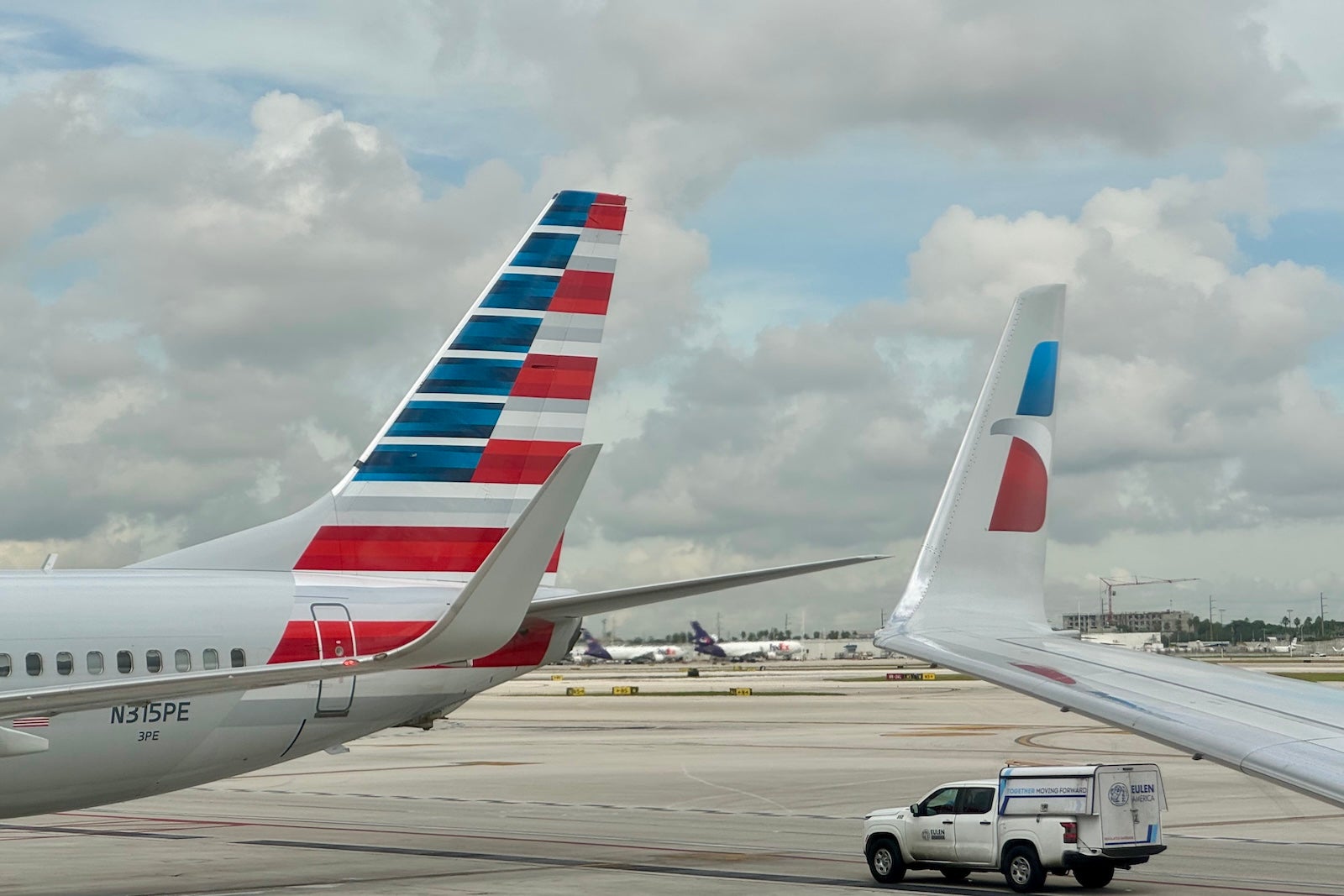
American Airlines raised checked-bag fees by $10 for the first and second bags (first: $40->$50 [$35->$45 if prepaid]; second: $50->$60 [$45->$55 if prepaid]) effective Apr 9, with a third bag now $200 and basic-economy customers paying an additional $5 per bag. AAdvantage elites will lose complimentary upgrades, systemwide-upgrade use, and complimentary seat/Main Cabin Extra selection on basic fares for tickets booked from May 18, and non-elite/non-cardholders on basic will board in Group 7 later this year. Management cites higher jet-fuel prices as the driver; measures align American with peers and are likely modestly accretive to ancillary revenue but could weigh on demand and loyalty.
American’s move is less about immediate ticket yield and more about reshaping the economics of its loyalty and ancillary mix; a modest per-transaction price change compounded across tens of millions of checkable-bag events can lift unit ancillary revenue by a mid‑single-digit percentage, creating a near-term EPS tailwind while simultaneously increasing the marginal cost of being a loyal elite. That tradeoff creates a second‑order risk: loyalty erosion. If even 1–2% of high‑value elites shift behavior (downgrade frequency, fewer paid upgrades, or shift primary carrier), lifetime value losses can swamp the near-term ancillary gains within 3–12 months.
Competitively, the real variable is differentiation. Carriers that preserve elite privileges (or credibly communicate a superior frequent‑flyer experience) can harvest share from peers monetizing basics; conversely, carriers that treat co‑brand cardholders preferentially tighten partnerships and reduce churn risk but increase dependency on card benefit economics. Operationally, fewer complimentary upgrades and seat allocations will free cabin inventory that can be monetized — a structural margin lever — but it also raises the risk of worse NPS and higher distribution/marketing spend to retain loyalty over the next 2–4 quarters.
So the near horizon (weeks to one quarter) is likely to see revenue upgrades offset by investor fear; medium horizon (2–4 quarters) is when cohort retention trends will prove decisive. Key catalysts to watch: summer booking cadence versus same‑week last year, loyalty enrollment and churn signals through credit‑card partner data, and jet‑fuel moves that can either validate or negate the rationale for continued fee escalation. Regulatory or goodwill backlash is a low‑probability tail but would be an acute, immediate re‑rating event for the carrier most associated with the policy shift.
AI-powered research, real-time alerts, and portfolio analytics for institutional investors.
Request DemoOverall Sentiment
neutral
Sentiment Score
0.00
Ticker Sentiment
