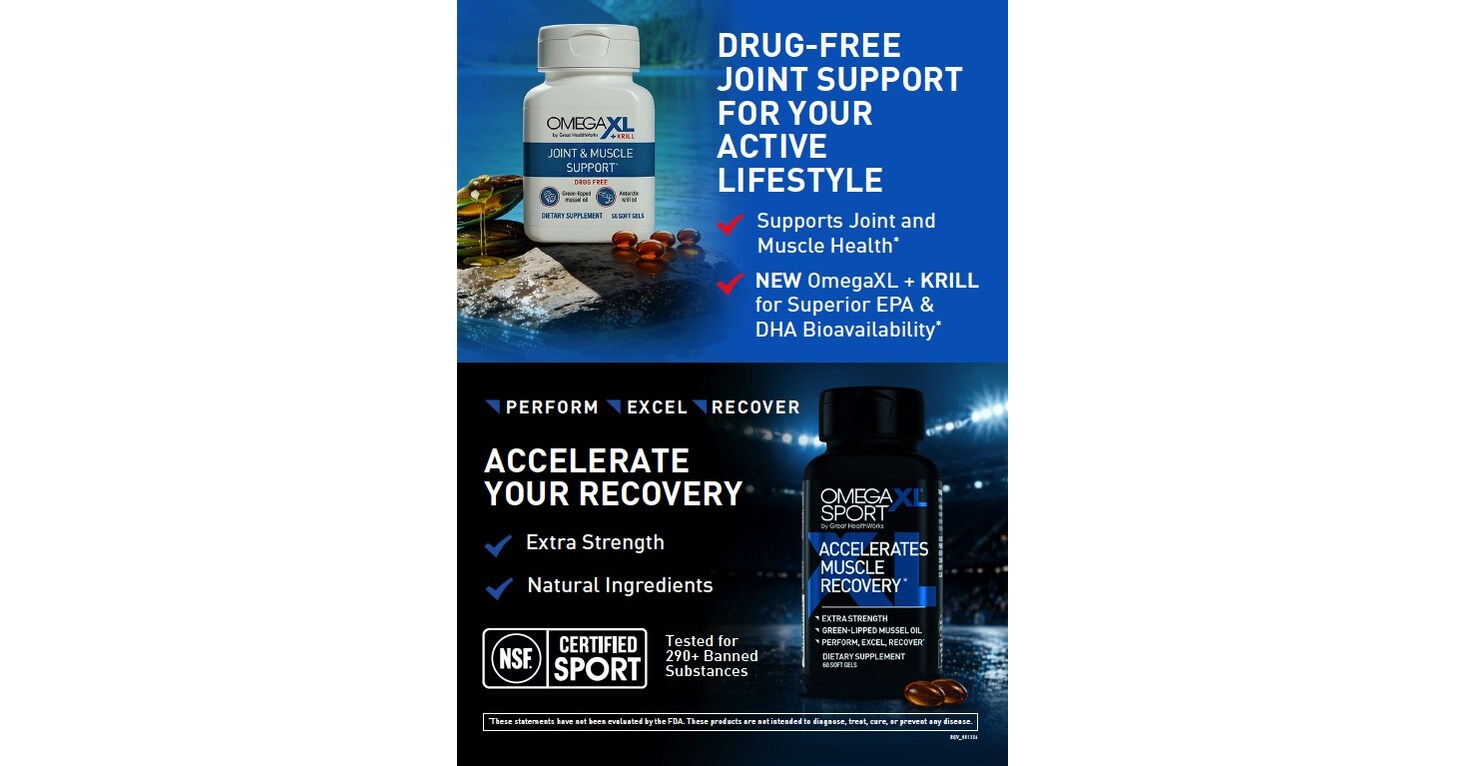
Great HealthWorks’ OmegaXL brand will begin its first U.S. retail partnership with GNC on a nationwide basis starting July 2026, expanding OmegaXL + Krill and OmegaXL Sport beyond its direct-to-consumer model. The launch includes a new retail-only joint-mobility line (OmegaXL + Krill) and an extra-strength NSF Certified for Sport recovery supplement (OmegaXL Sport). Overall, the announcement is a modest positive for brand accessibility and distribution via GNC’s retail and digital channels, with limited immediate evidence of financial impact.
This is more a distribution-validation event than a revenue inflection. For a DTC supplement brand, the first-order effect is usually lower-quality topline: retail adds awareness, but it also layers in slotting, promo spend, and retailer margin, so unit economics can look worse before they get better. The key variable is whether GNC becomes a repeat-acquisition funnel that lifts LTV/CAC; if not, the partnership is just borrowed credibility.
Second-order, this pressures adjacent joint-health and sports-recovery brands to defend shelf space and promotional share, especially those leaning on Amazon or DTC as their main discovery channels. If the product gets meaningful velocity, the real winner is the retailer because supplements are basket-building, high-gross-margin categories that support traffic and attachment. But if sell-through is modest, the retailer has little reason to expand assortment, and the supposed brand halo fades quickly.
The contrarian risk is that the market may overrate "retail placement" as a moat rather than a test. The move only matters if there is evidence of incremental repeat purchases within 1-2 quarters; otherwise, it can simply cannibalize higher-margin direct sales and compress contribution margin. The reversal trigger is weak reorder data, flat search interest, or any sign that the brand needs heavy discounting to maintain shelf productivity.
AI-powered research, real-time alerts, and portfolio analytics for institutional investors.
Overall Sentiment
mildly positive
Sentiment Score
0.12
Ticker Sentiment
