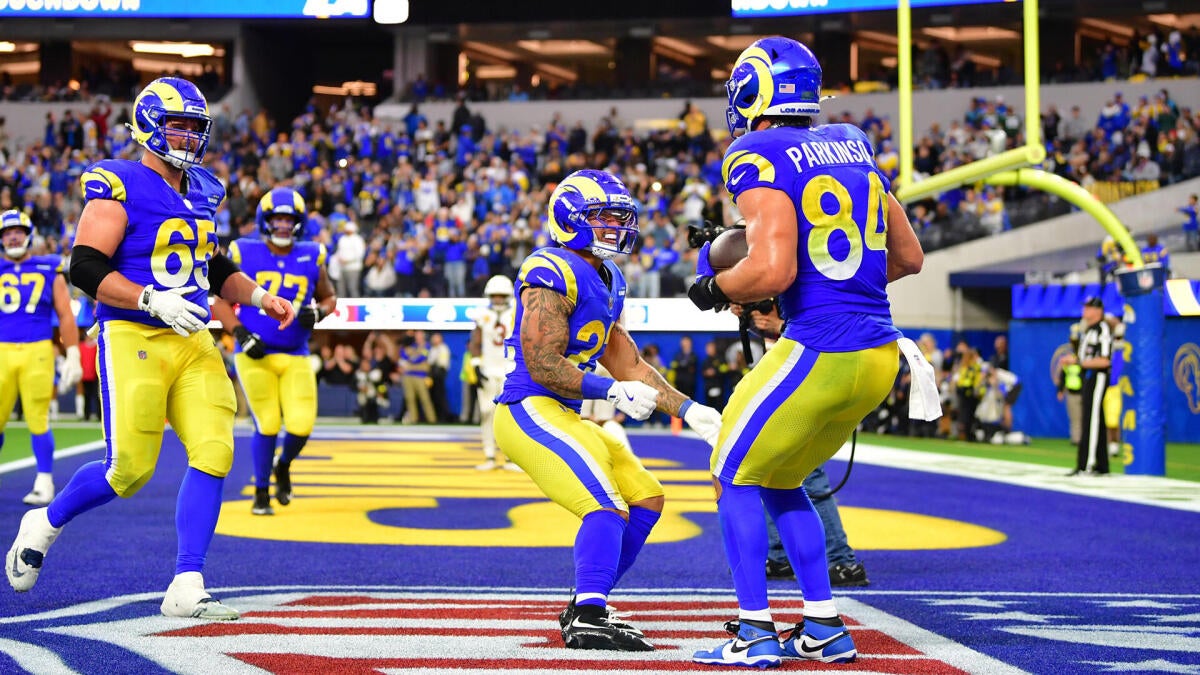
Netflix will stream five NFL games in 2026 under its expanded deal, including a Thanksgiving Eve Packers-Rams matchup and two Rams games total in the package. The agreement runs through the 2029-30 season and then shifts to four games per year, adding a new Wednesday Thanksgiving Eve window and a Saturday Week 18 slot. The article is largely a schedule and rights update, but it modestly strengthens Netflix's live-sports offering and NFL content footprint.
NFLX is not just monetizing another sports window; it is converting live sports into a habit-forming distribution layer that can support higher ad-load pricing and reduce churn around the calendar’s most fragmented viewing periods. The marginal value of these games is highest for proving incremental reach to older, higher-income households and for creating repeatable tentpole inventory that can be sold into upfronts at a premium versus standard streaming impressions. The fact that the league is effectively building a recurring Wednesday/holiday cadence around Netflix suggests the platform is being treated less like an experiment and more like a durable broadcast substitute.
The second-order benefit is competitive, not just content-driven. ESPN/Disney, Amazon, and broadcast networks are now forced to compete against a streamer that can bundle live rights with global subscription scale and a cleaner consumer funnel, which should pressure sports-rights inflation over time for everyone except the deepest-pocketed incumbents. For Netflix, the key is that live events can lower churn without needing massive hours watched; one tentpole per quarter can matter disproportionately if it stabilizes paid membership through otherwise soft periods.
The main risk is execution, not demand: streaming quality, latency, and customer support failures would quickly erase the goodwill from the rights expansion and could cap willingness to keep overpaying for live inventory. Another risk is that management and the market may already be capitalizing too much future ad-tier monetization into the stock; the near-term revenue lift from five games is small relative to NFLX’s scale, so multiple expansion depends on demonstrating improved retention and ad ARPU over the next 2-3 quarters. If those KPIs do not inflect, the market may re-rate this as a PR win rather than a fundamental step-change.
The contrarian view is that the biggest beneficiary may not be NFLX but the broader ad ecosystem, because live sports on a premium streamer can normalize streaming CPMs and pull budget from linear TV faster than expected. That creates a better medium-term setup for ad-tech and measurement names than for chasing NFLX purely on headline sports rights. The market may be underestimating how quickly this can accelerate cord-cutting, but overestimating the immediate EPS impact.
AI-powered research, real-time alerts, and portfolio analytics for institutional investors.
Request DemoOverall Sentiment
mildly positive
Sentiment Score
0.15
Ticker Sentiment
