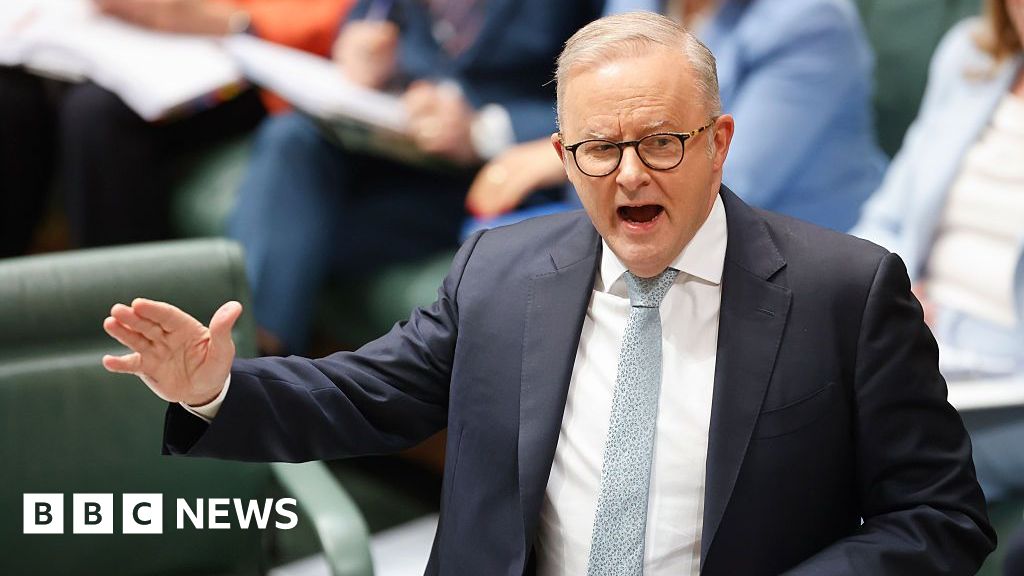
Following a deadly attack at a Bondi Beach Hanukkah event that killed 15 people, Prime Minister Anthony Albanese announced a package of legal and policy measures to crack down on hate speech, including a new federal offence of "aggravated hate speech", penalties for leaders who promote violence, powers for the home affairs minister to cancel or refuse visas, and a taskforce to address antisemitism in education. The government said it will adopt recommendations from antisemitism envoy Jillian Segal’s July report, despite prior criticism that monitoring universities and arts organisations and withholding funding could impinge on free speech and target pro‑Palestinian protests. For investors, the announcement signals modest political and regulatory risk concentrated on the higher‑education and arts sectors and potential shifts in immigration enforcement, but is unlikely to move broader markets.
Market structure: The near-term winners are security, defence and cybersecurity vendors that win government contracts and content-moderation/forensics vendors that sell compliance tools; losers are education providers and arts organisations facing funding conditionality and higher compliance costs. Pricing power shifts toward suppliers of technical and legal compliance services — expect 5–15% revenue upside for mid-sized cyber vendors if federal procurement increases and 3–7% margin pressure for exposed universities over 12–18 months. Social platforms face incremental operating costs and legal risk, compressing margins modestly unless costs are passed to advertisers.
Risk assessment: Tail risks include amplified civil unrest or an emergency-security budget surge (high-impact, low-probability) that materially re-routes domestic spending into defence and policing, and litigation/antitrust actions against platforms that increase payouts >$1bn globally. Immediate: market reaction muted (days); short-term (30–90 days) regulatory text and visa-policy shifts matter; long-term (quarters) is where earnings impact shows. Hidden deps: universities’ reliance on international students (a 5–10% drop cuts EBITDA disproportionately) and platforms’ ad-revenue concentration create second-order effects.
Trade implications: Tactical trades favor cybersecurity/defence longs and selective short exposure to ad-dependent platforms. Use defined-risk option structures for platform shorts and call spreads for defence/cyber names; set 3–12 month horizons tied to bill progress and budget cycles. Reduce or hedge Australian education equities ahead of specific funding/visa-rule announcements within 30–60 days.
Contrarian angle: The market likely underprices a multi-year shift to government-funded security spend — historical parallels (post-9/11 defence re-rating) suggest 12–24 month re-rating opportunities for primes. Conversely, headlines may overstate immediate ad-revenue impacts on global platforms (underdone), creating short-term volatility but not structural collapse. Unintended consequence: heavy-handed enforcement could trigger litigation and NGO pushback, slowing implementation and creating entry points in beaten-down education/arts services.
AI-powered research, real-time alerts, and portfolio analytics for institutional investors.
Request DemoOverall Sentiment
neutral
Sentiment Score
-0.10
