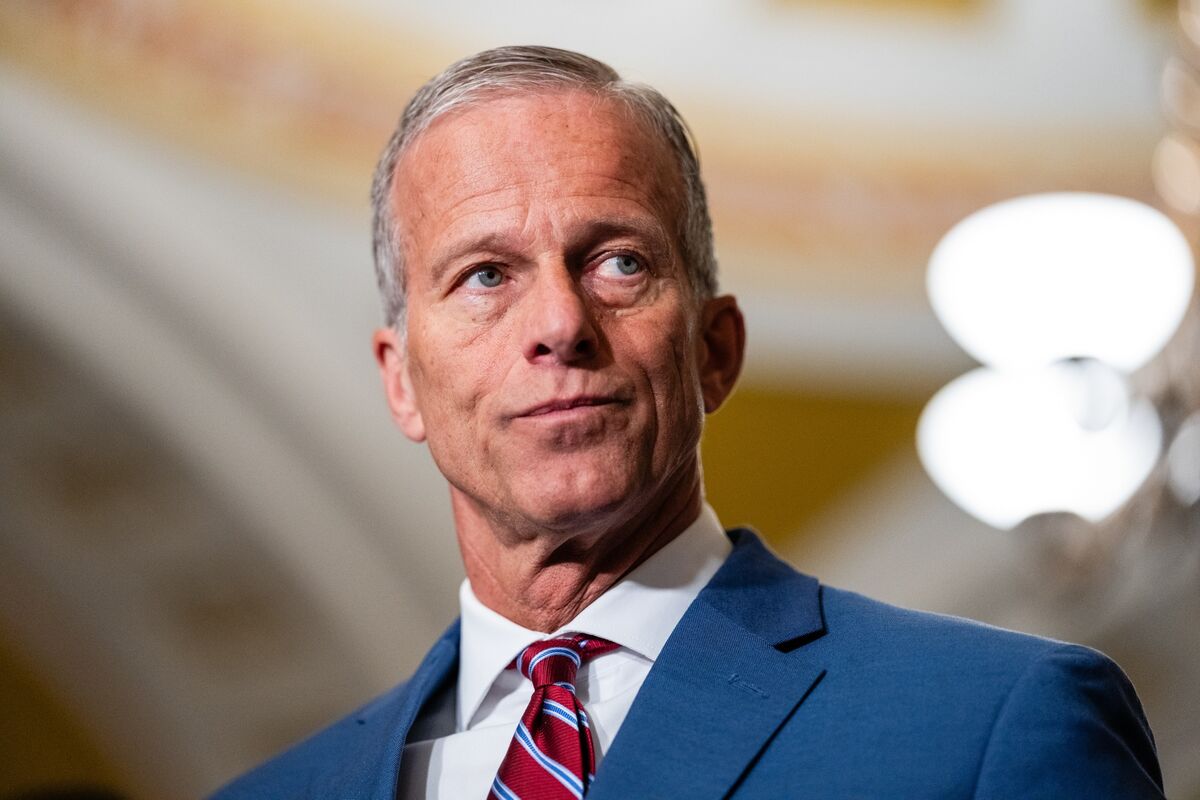
Senate Majority Leader John Thune indicated that the House-passed bill, which includes raising the state and local tax (SALT) deduction cap to $40,000, will likely be altered in the Senate due to concerns among Republican senators regarding the bill's overall cost and specific provisions related to Medicaid and clean energy tax credits. The Senate's deliberations follow the House's narrow passage of the bill on May 22, suggesting potential hurdles for the legislation in its current form.
Senate Majority Leader John Thune's indication that the House-passed increase of the state and local tax (SALT) deduction cap to $40,000 will require alteration in the Senate underscores significant legislative hurdles for the broader "Big Beautiful Bill." This bill, which narrowly secured House approval on May 22, now faces opposition from several Republican senators primarily due to concerns about its overall cost, along with specific cuts to Medicaid and provisions affecting clean energy tax credits. The situation introduces considerable uncertainty regarding the final composition of the legislation, a sentiment echoed by a mildly negative signal (-0.35) and an uncertain tone. The ongoing deliberations highlight the political complexities and potential for substantial modifications to key fiscal policies, which could impact tax structures and federal spending priorities.
AI-powered research, real-time alerts, and portfolio analytics for institutional investors.
Request DemoOverall Sentiment
mildly negative
Sentiment Score
-0.35
