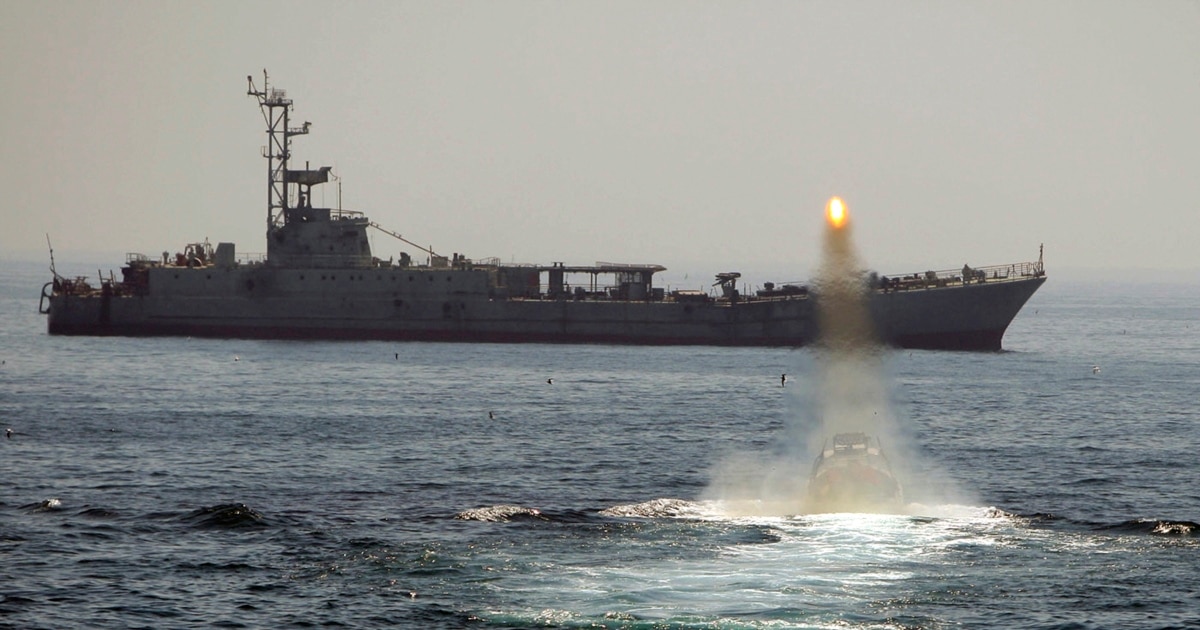
Potential tolls of up to $2 million per ship for transiting the Strait of Hormuz are being discussed and some vessels are reported to have paid fees; Iran has proposed permits and the US reportedly raised a joint-toll idea. There have been 22 reported attacks on ships in the Persian Gulf since Feb 28, and maritime sources warn that forced liaison with Iranian forces, convoys or permit regimes could cause delays, rerouting and reluctance to enter the area. The result would likely push up freight rates and put upward pressure on energy prices, though the ultimate market impact depends on how restrictive and stable any arrangements prove to be.
Treat a newly monetized chokepoint as a per-voyage fixed cost that gets absorbed unequally across the maritime value chain. For large crude cargoes the fixed fee is a rounding error for cargo owners but becomes meaningful through compounding effects on voyage economics (higher TCEs, shorter employment windows for time-charter contracts), creating immediate upside for spot tanker owners while compressing downstream refinery margins in import-dependent hubs. Expect insurers and brokers to extract a premium for underwriting transit risk; a 5–15% increase in voyage insurance/war-risk premiums within weeks is a realistic base case that will be passed through into freight and ultimately commodity prices.
If the institution of tolls becomes precedent, the second-order outcome is structural fragmentation of global maritime transit: flag-state bargaining power rises, route substitution increases (longer sailings via alternative passages), and supply-chain elasticity declines. Rerouting adds measurable days to voyages (typically 5–12 days depending on vessel class) which increases voyage fuel and hire costs by low-single-digit percentage points per trip but magnifies timing and storage frictions, steepening futures curves in affected commodities over 1–6 months. Port and bunker hubs outside the chokepoint gain market share and pricing power; asset owners with flexible fleet positioning are favored.
Key catalysts that could reverse or amplify this regime are diplomatic/legal pushback by coalition navies or major underwriters refusing to cover transits without escorts—either could cause immediate de-risking and normalize flows, while protracted mutualized tolling mechanisms or copycat policies would lock in higher costs for years. Monitor insurer filings, P&I club notices, and short-term freight indices: moves there precede price transmission to refined products and benchmark crude within days to weeks.
AI-powered research, real-time alerts, and portfolio analytics for institutional investors.
Request DemoOverall Sentiment
moderately negative
Sentiment Score
-0.35
