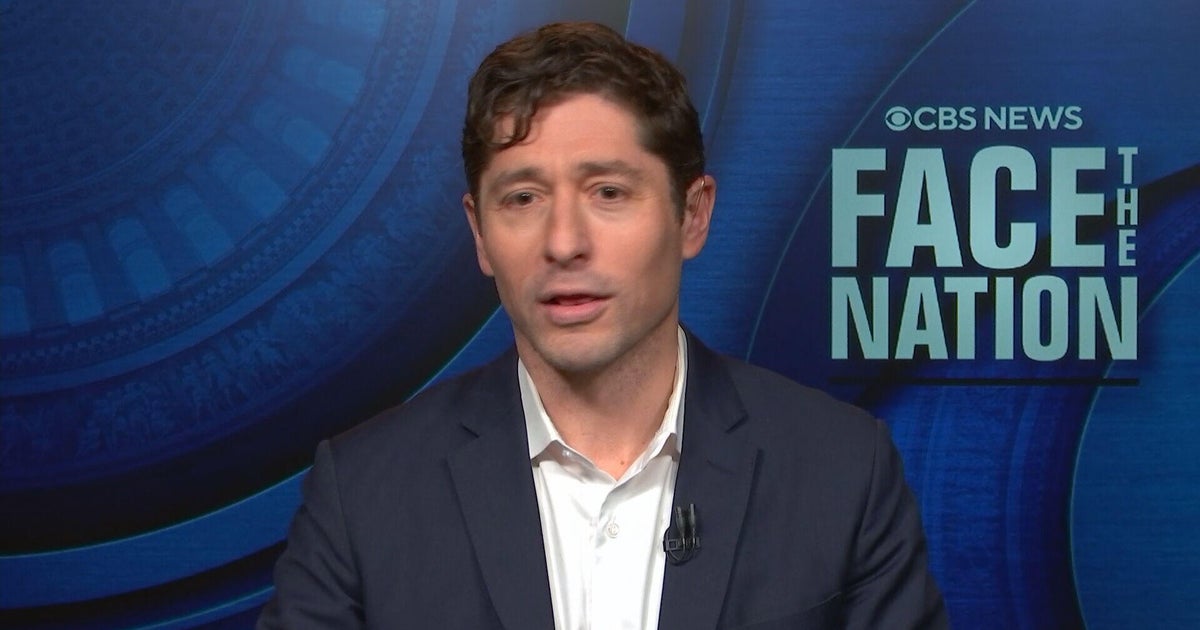
Minneapolis Mayor Jacob Frey condemned a recent federal immigration operation as an "occupying force," citing roughly 3,000 ICE and border agents and a reported 1,500 military personnel (with about 1,500 active-duty soldiers on standby in Alaska); the Minnesota National Guard was mobilized though not yet deployed. The deployments and protests follow a deadly shooting by an ICE officer and coincide with reports that Frey and Governor Tim Walz are under federal investigation for an alleged conspiracy to impede immigration agents, raising legal and political risk. For investors, this elevates localized security, reputational and regulatory uncertainty for businesses and real‑estate interests in Minneapolis but is unlikely to move broader markets.
Market structure: Federal deployments act as a demand shock for national defense and security contractors (software, surveillance, logistics) while creating a localized negative demand shock for downtown retail, hospitality and commercial RE in Minneapolis. Winners: LHX, LDOS, PLTR, LMT on incremental contract flow and restart budgets; losers: TGT, BBY, regional CRE owners and local muni credits as foot traffic and tax revenues dip. Cross-asset: expect short-term widening of Minneapolis/Hennepin muni spreads vs Treasuries by 20–100bp, modest gold (GLD) upside +1–3% on political risk spikes, and elevated single-name options IV for HQ-listed local firms (TGT, USB).
Risk assessment: Tail risks include prolonged civil unrest or federalization causing a municipal downgrade (AAA→AA) which could push muni yields 50–150bp higher and stress regional banks with concentrated local loan books (days→months). Immediate (days) risk is volatility and headlines-driven retail drawdowns; short-term (weeks–months) risk is legal/DOJ actions against officials; long-term (quarters) risk is capital flight, reduced CBD investment and higher insurance costs. Hidden dependencies: corporate earnings impact via lost store sales, insurance claims, and reputational litigation; catalysts include DOJ indictments, National Guard deployment, or a high-profile violent escalation.
Trade implications: Direct plays — establish small tactical longs in defense/security names: LHX and LDOS (1–2% each) and a modest 1% exposure to PLTR on 3–9 month timelines to capture contract awards. Hedge/short — buy 3-month 5% OTM puts on TGT or short 1% if share price drops >5% within 2 weeks; reduce Minneapolis-centric municipal exposure by 20% (sell Hennepin muni holdings) and buy VTEB to tilt national/short-term munis. Options — buy 3–6 month call spreads on LHX (buy 6-month 10% ITM / sell 6-month 20% OTM) and 3-month protective puts on USB if IV rises >25%.
Contrarian angles: Consensus overweights headline risk and may oversell local HQ stocks; historical parallels (2020 protests) show sharp 2–6 week drawdowns followed by 3–6 month recoveries as operations normalize, creating buying opportunities if declines exceed 8–12%. The upside surprise is increased multi-year federal spending into security/IT — a structural tailwind for PLTR/LDOS/LHX that consensus may underappreciate. Key monitors: DOJ filings and muni rating actions over the next 30–90 days — use any overreaction (>8% stock drop or >50bp muni spread widening) as an entry point for mean-reversion trades.
AI-powered research, real-time alerts, and portfolio analytics for institutional investors.
Request DemoOverall Sentiment
moderately negative
Sentiment Score
-0.35
