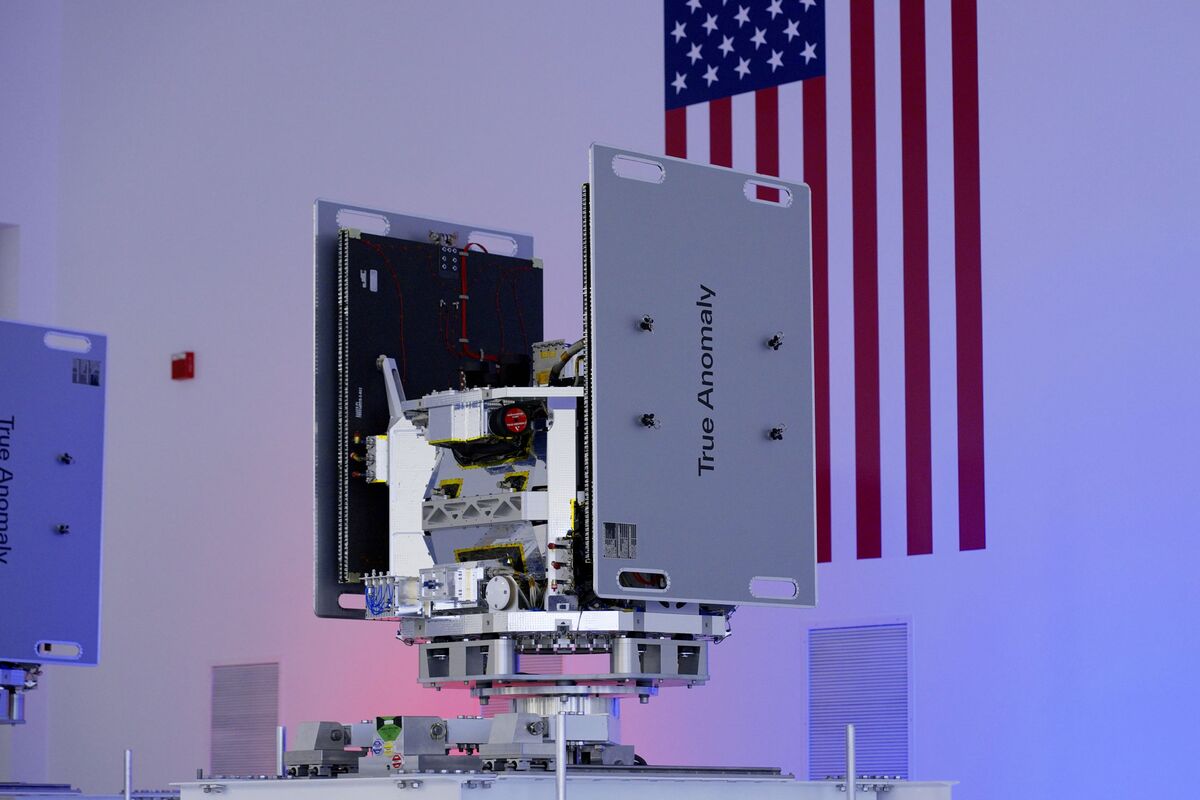
True Anomaly raised $650 million in a new funding round at a $2.2 billion valuation, signaling strong investor appetite for defense and aerospace startups. The company said it will use the capital to hire more employees and scale its satellite business. Eclipse and Riot Ventures co-led the round, with participation from both new and existing investors.
This is less a single-company funding story than a signal that the defense-tech private market is still in an aggressive capacity-build phase. The second-order winner is the broader satellite/space defense supply chain: launch providers, component vendors, and specialized software/integration shops should see a multi-quarter pull-through as well-capitalized startups spend into orbit deployment, ground systems, and mission software rather than preserving cash. The clearest loser is incumbent primes and slower-moving point-solution vendors that rely on procurement friction; fresh venture capital compresses the product-cycle advantage they used to enjoy.
The bigger implication is competitive. A $2.2B valuation gives the company room to price aggressively for talent, spectrum access, and early customer wins, which can force adjacent startups to raise sooner or accept down-round risk if they miss milestones. In defense space, the bottleneck is rarely just capital; it’s launch cadence, regulatory approvals, and integration with government buyers, so the real moat will come from converting balance-sheet strength into contracted revenue over the next 12-24 months. If that conversion lags, valuation support could weaken quickly despite the headline raise.
Contrarian view: the market may be overestimating how much venture capital can accelerate a defense platform that still depends on long procurement timelines. The cash can buy engineers and satellites, but it cannot instantly buy cleared customers, orbital reliability, or procurement trust, so the timeline to durable cash flow is likely measured in years, not quarters. That means the near-term upside is mostly in ecosystem beneficiaries rather than the startup itself, while the main risk is that this round marks peak enthusiasm before the sector reprices on execution discipline.
A useful lens is whether this financing triggers follow-on raises across the category or a bifurcation between names with hard contracts and those with only roadmap value. If the next 2-3 quarters show more capital chasing fewer de-risked assets, private valuations in defense space could stay elevated; if not, the funding premium may compress fast. For public investors, the best setup is to own enablers with visible revenue and short-duration contract visibility rather than speculate on the private names themselves.
AI-powered research, real-time alerts, and portfolio analytics for institutional investors.
Request DemoOverall Sentiment
moderately positive
Sentiment Score
0.65
