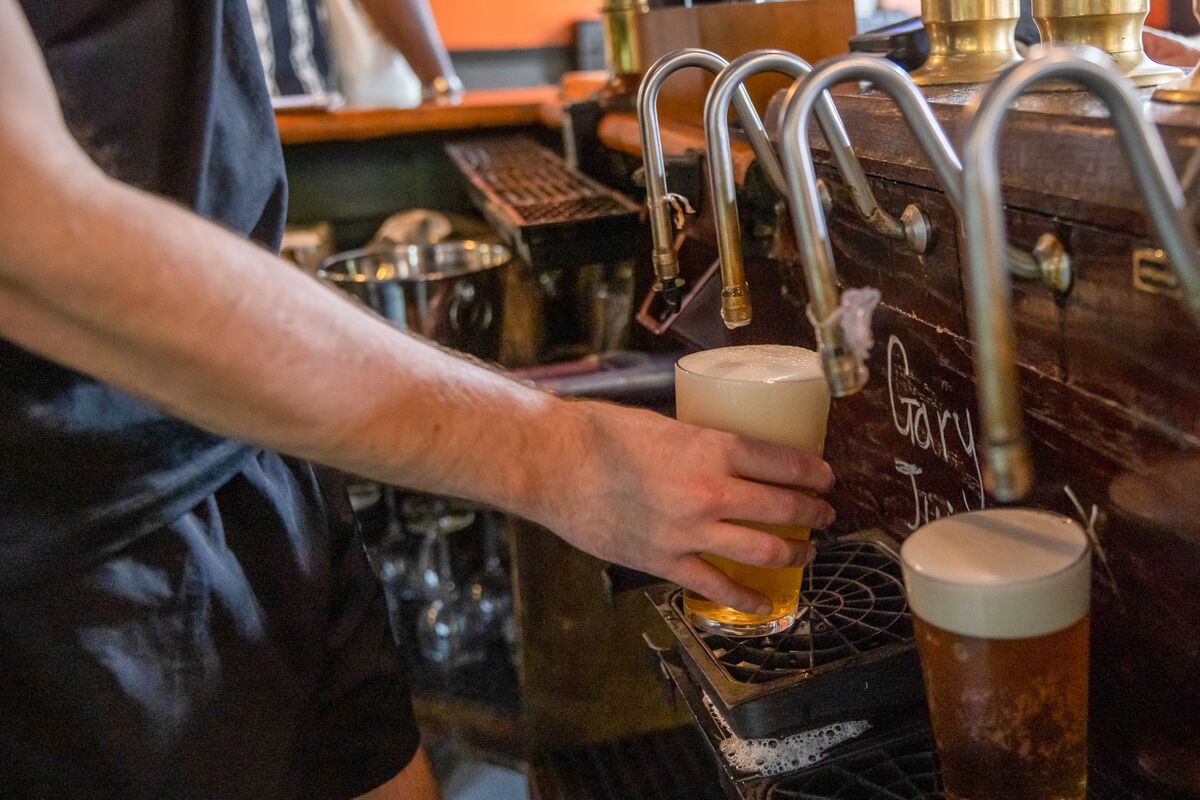
Approximately two pubs a day closed in England during Q1 2026, highlighting pressure across the UK pub industry from weak consumer conditions and rising operating costs. The article focuses on how London pub operators are adapting to the £10 pint era, higher ingredient costs, and changing consumer behavior rather than reporting company-specific financial results. Overall tone is cautious and indicative of modest headwinds for the hospitality sector.
The key read-through is not just weaker leisure demand, but margin compression in “experience-led” hospitality where labor is sticky and pricing power is becoming more constrained than headline menu inflation suggests. When operators have to absorb higher inputs without fully passing them through, the burden shifts to labor productivity, supplier terms, and table-turn optimization — a setup that favors the largest, best-capitalized concepts and hurts smaller venues with limited brand equity. That dynamic is more important than any single ingredient cost shock: it raises the hurdle rate for new openings and accelerates consolidation.
For consumer platforms, the second-order effect is that premium on-premise dining/outing spend can cannibalize lower-ticket discretionary categories only at the margin; the bigger impact is that consumers substitute toward fewer, higher-quality occasions rather than more frequent ones. That tends to compress mid-market casual dining, while sustaining the top end and value end. In public markets, the more interesting signal is not direct exposure to pubs, but what pub health says about urban discretionary spend, labor scarcity, and commercial rent sensitivity — all of which are negative for long-duration rental cash flows tied to hospitality tenants.
The contrarian point: the market may over-interpret headline closures as a pure demand recession signal. In many cases, the weaker units are being weeded out because operational complexity, licensing friction, and fixed-cost leverage are rising faster than consumer spending is falling. If that’s right, the winners are operators with strong brands and high throughput, while landlords and commodity suppliers that can’t reprice quickly are the latent losers over the next 6-12 months.
AI-powered research, real-time alerts, and portfolio analytics for institutional investors.
Overall Sentiment
mildly negative
Sentiment Score
-0.15
Ticker Sentiment
