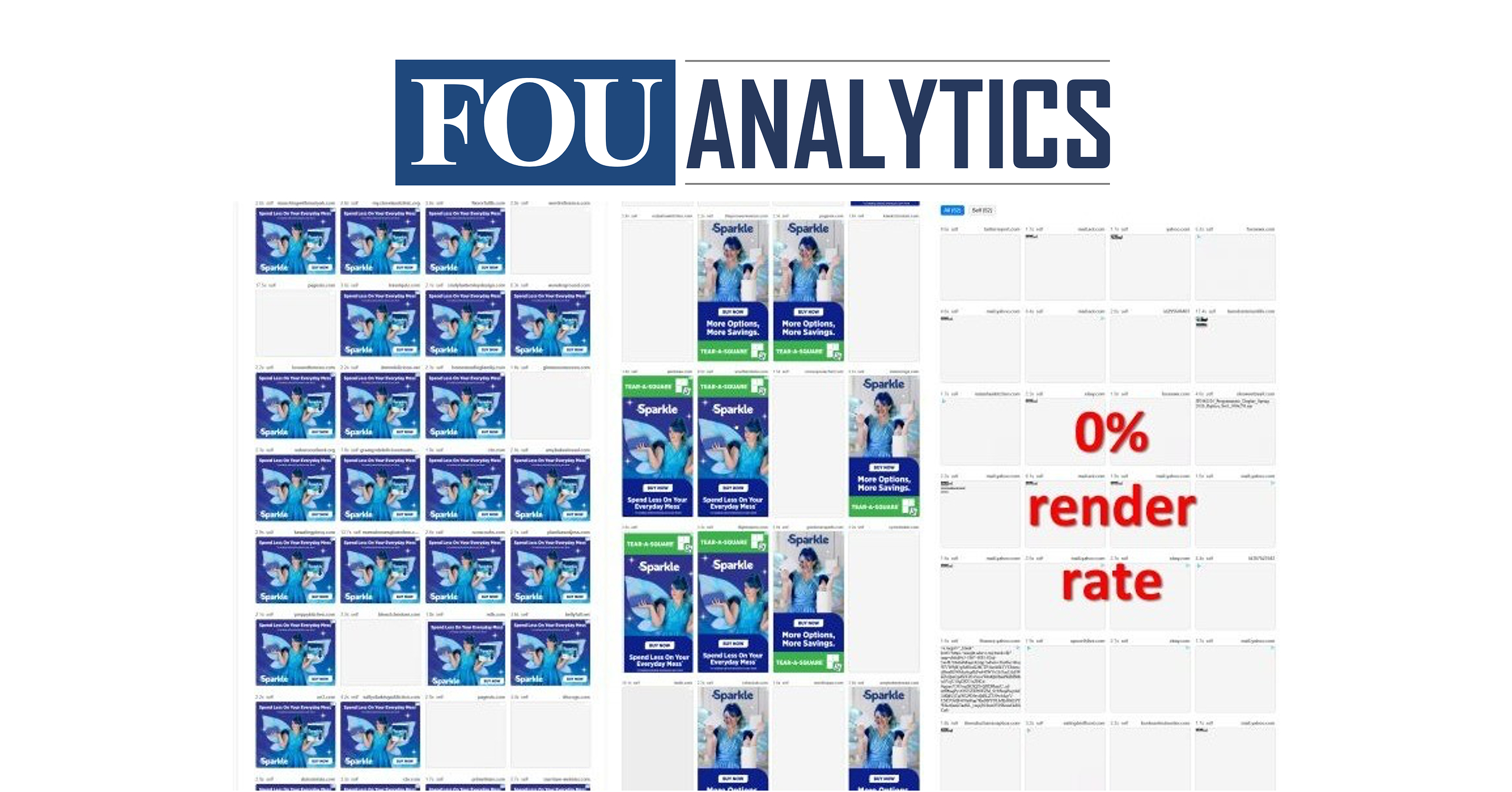
FouAnalytics announced global availability of its in-situ screenshot capability for digital ads, capturing real-time visual evidence of whether creatives actually render and the surrounding webpage/app context. The company says its in-ad tag adds zero publisher code and targets the accountability gap left by standard metrics like viewability and invalid-traffic rates. Adoption by large advertisers (e.g., Georgia-Pacific) is cited to support fraud reduction and stronger campaign governance, but the update is primarily product/industry improvement rather than company financial impact.
This is not a direct revenue story for MSFT; it is a distribution-quality story that slightly improves the economics of buyers and the bargaining power of premium inventory. The second-order winner is any platform that already owns authenticated, brand-safe surfaces, because a more evidence-based procurement process tends to divert spend away from opaque open-web supply and toward channels that are easier to audit and defend in front of finance/compliance. That is mildly supportive for Microsoft’s ads-adjacent surfaces, but the more immediate pressure lands on mid-tier ad-tech and long-tail publishers whose pricing depends on impression counts rather than demonstrable on-screen delivery.
The catalyst path is slow. In the next 1-3 months, this only matters if major advertisers or agencies start citing screenshot-based governance in budget reviews or earnings commentary; otherwise it remains a niche workflow tool. Over 6-18 months, the structural effect is more relevant: procurement standards can tighten, which would compress margins for low-quality inventory and strengthen the relative multiple of walled gardens and first-party media. The main falsifier is adoption failure — if buyers do not operationalize the evidence, the thesis stays academic.
Contrarian view: the market may overestimate how much transparency tools change spend. Screenshots improve documentation, not economics, unless buyers are willing to cut inventory, and most will still optimize for scale and targeting. So this is more of a governance increment than a demand shock. For MSFT, the edge is modest but directionally positive: better ad accountability supports its positioning as a high-trust media ecosystem, but the stock should not be bought on this alone.
AI-powered research, real-time alerts, and portfolio analytics for institutional investors.
Request DemoOverall Sentiment
mildly positive
Sentiment Score
0.18
Ticker Sentiment
