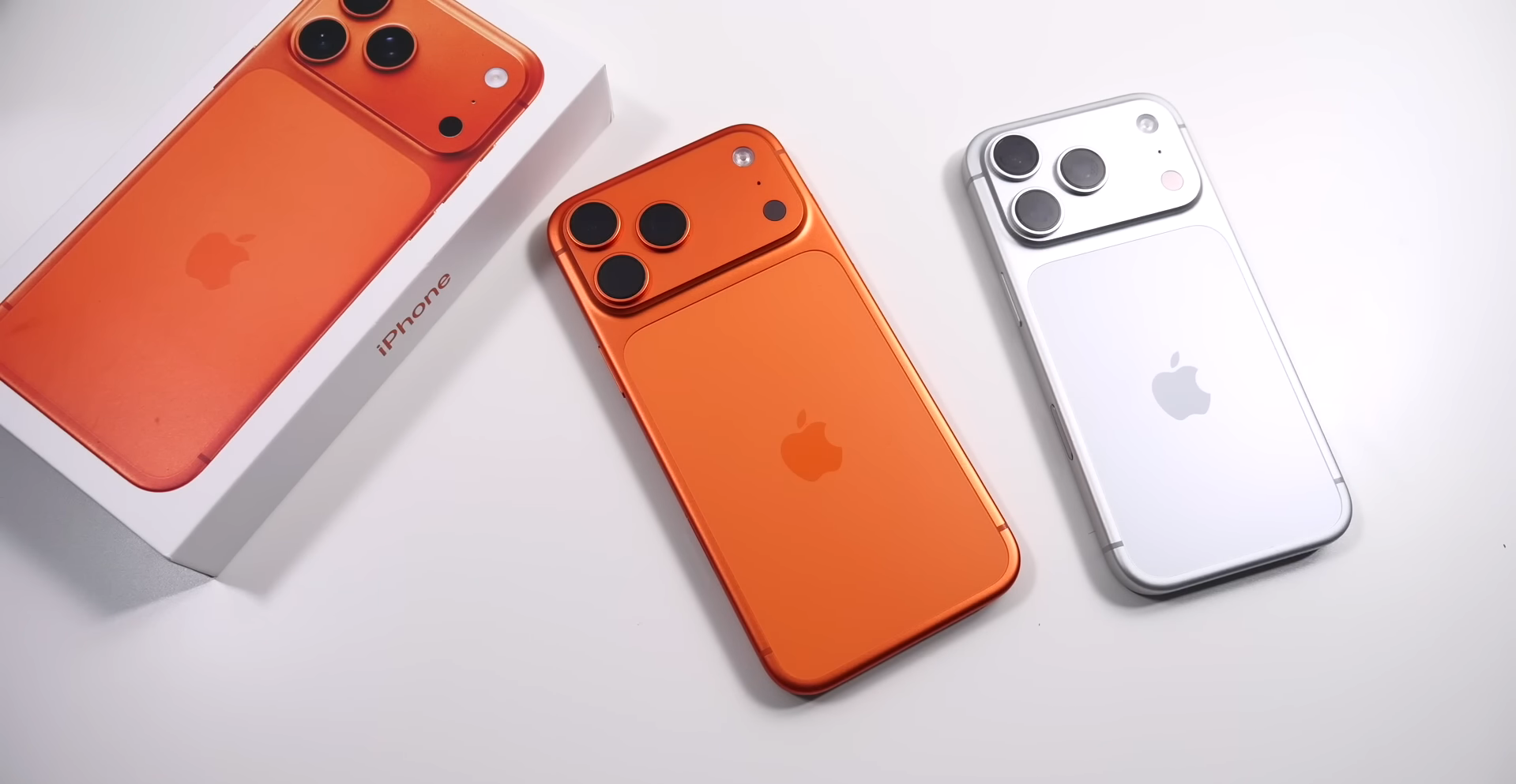
A small number of users report that iPhone 17 series, iPhone 17 Pro series, and iPhone Air devices fail to restart after the battery is fully drained, even when connected to USB-C chargers. A workaround appears to be using a MagSafe wireless charger, with one reporter saying the device powered back on after about 15 minutes. The issue is unconfirmed and anecdotal, but it is a modest quality-control headwind for Apple’s newest iPhones.
This looks more like a quality-control and software-initialization problem than a true demand issue, so the immediate P&L impact on AAPL is probably contained. The bigger first-order risk is reputational: when a premium device fails in a way that feels "dead," return rates and support traffic can spike disproportionately because consumers extrapolate a niche bug into a platform-wide reliability concern. That matters most in the first 30-60 days after launch, when early adopters are also the loudest reviewers and the most likely to influence broader purchase intent.
Second-order, the issue may subtly favor the accessory ecosystem rather than core hardware: users being forced to use wireless charging as a workaround can pull incremental demand toward MagSafe-compatible accessories and potentially shift some charging behavior toward Apple's own ecosystem. The actual economic hit to AAPL is likely limited unless the problem persists long enough to affect carrier sell-through or enterprise procurement, which would only show up over one to two quarters. If it is a firmware or power-management bug, a patch could remove the overhang quickly; if it is hardware-related, the risk becomes SKU-specific return provisions and a slower trust recovery.
The market may be underpricing how much a small defect can matter for a high-ASP flagship because the downside is less about unit volumes and more about mix and willingness to pay. Consumers buying the newest premium model are the least tolerant of friction, so even a low incidence can create outsized social-media amplification. Conversely, if Apple moves fast with a software update and support guidance, the episode could fade into the usual launch-noise bucket within weeks, making any selloff an opportunity rather than a thesis change.
AI-powered research, real-time alerts, and portfolio analytics for institutional investors.
Request DemoOverall Sentiment
mildly negative
Sentiment Score
-0.18
Ticker Sentiment
