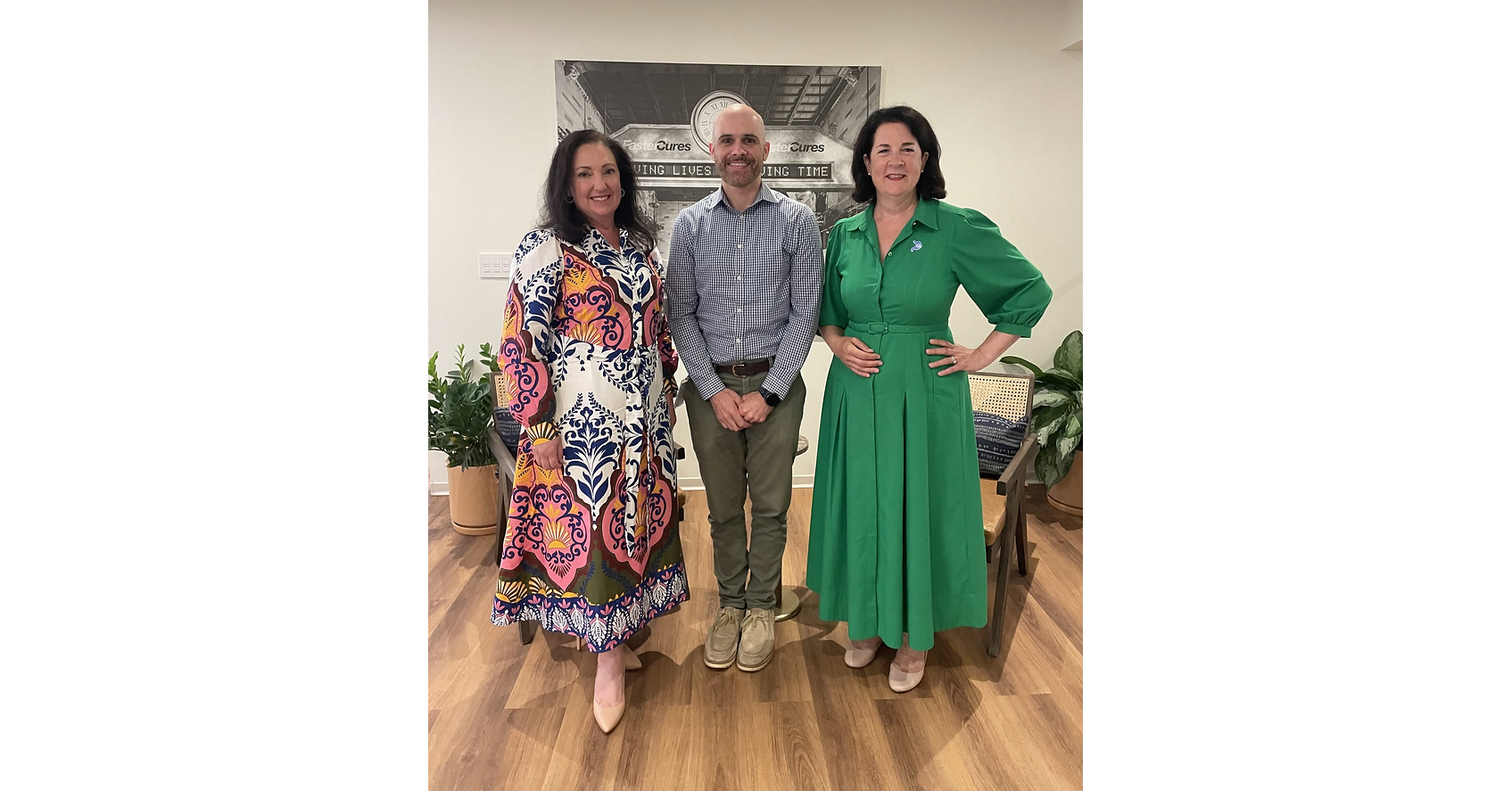
Debbie's Dream Foundation (DDF) joined the Milken Institute’s FasterCures TRAIN network of 180+ patient-driven nonprofits to accelerate stomach cancer research. DDF said it has invested more than $2.5M in stomach cancer research to date and will use TRAIN to refine its research funding strategy and collaboration efforts. The announcement is a positive step for the research ecosystem, but it is unlikely to move public markets.
This is an ecosystem signal, not a fundamental step-change. The only economically relevant channel is better trial-construction and advocacy leverage for upper-GI oncology, which can modestly improve enrollment quality and grant optionality over 6-18 months; it does not change near-term revenue, burn, or valuation for any listed name in a measurable way.
The second-order beneficiaries are the small-cap biotech and clinical-research stack that live or die on patient access: niche gastric/upper-GI developers, academic centers, and CRO/lab vendors that benefit when patient networks improve referral flow. Even there, the effect is diffuse and likely too small to justify multiple expansion absent a named grant, trial launch, or regulatory designation. For larger oncology platforms, this is noise.
The contrarian view is that the market often overprices "research ecosystem" headlines as funding catalysts. Patient-advocacy partnerships can improve probability of future discovery, but the dollar amounts are de minimis versus oncology R&D budgets, so any upside is likely to be realized only after a concrete catalyst shows up. Near-term price action should fade unless this turns into a verifiable financing or clinical-enrollment event.
AI-powered research, real-time alerts, and portfolio analytics for institutional investors.
Overall Sentiment
mildly positive
Sentiment Score
0.15
Ticker Sentiment
