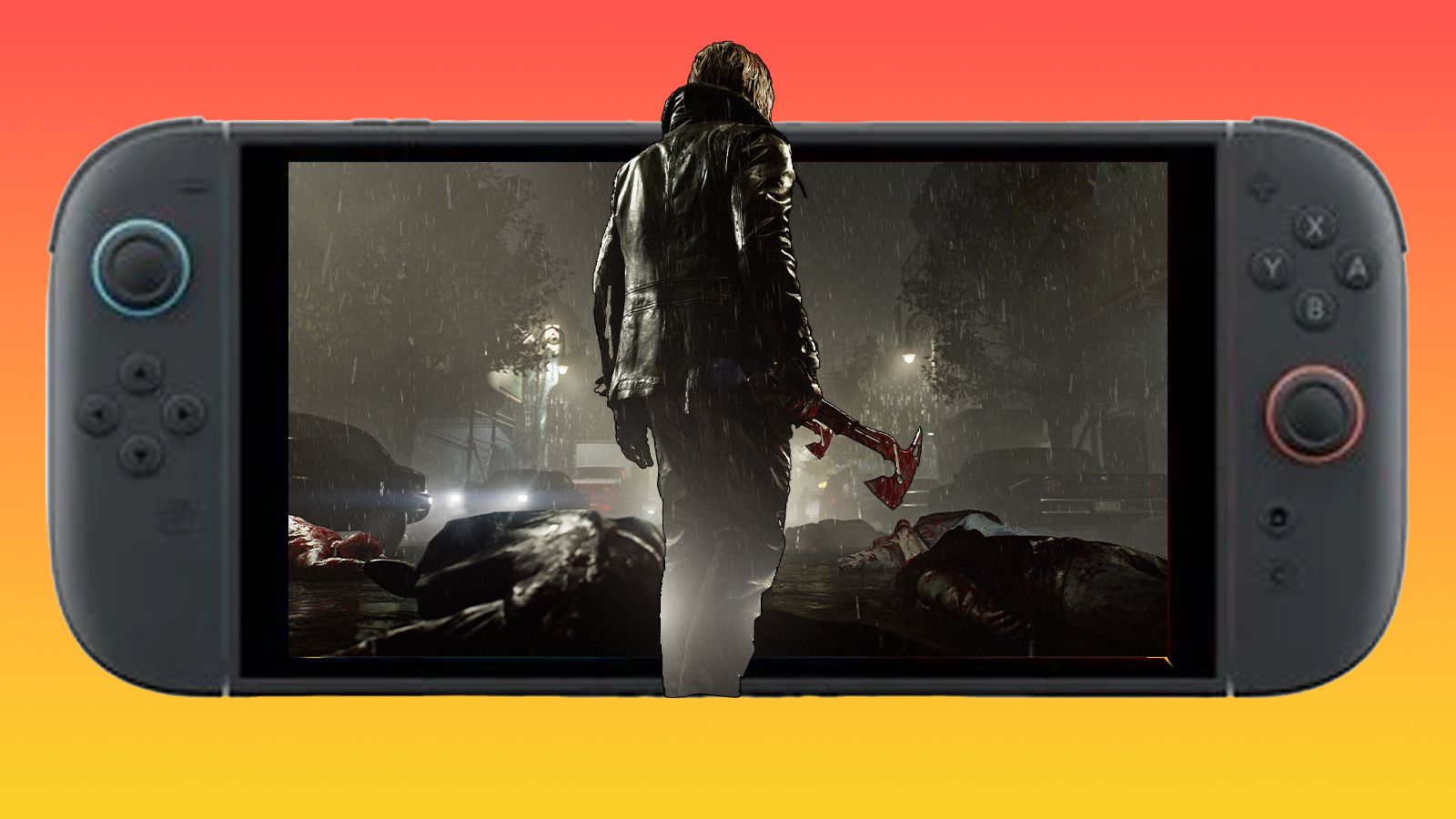
Nintendo's Switch 2 has become the fastest-selling console in the company's history, but 2026 is positioned as a proving year for third-party AAA support and technical parity expectations. Key same-day multiplatform releases to watch for performance and market reception include Resident Evil Requiem (27 Feb), Yakuza Kiwami 3 (11 Feb), Pragmata (24 Apr), Final Fantasy VII Remake Intergrade (early 2026 demo available), and 007 First Light (delayed to 27 May); early ports (e.g., Cyberpunk 2077 Ultimate Edition, Street Fighter 6) set a technical benchmark, while concerns remain about fidelity and frame-rate parity versus PS5/Xbox Series X. Investors should monitor hardware adoption trends, third-party development commitments and launch performance for implications to Nintendo and key enabling partners.
Market Structure: Nintendo (7974.T / NTDOY) and third-party publishers that can port graphically ambitious titles (Capcom 9697.T, Square Enix 9684.T, Sega 6460.T) are the primary beneficiaries if Switch 2 sustains momentum in 2026; retailers with high physical dependence (GameStop GME) and platforms unable to optimize for hybrid hardware are losers. Competitive dynamics shift toward platform-first optimization — successful ports raise pricing power for Nintendo and those publishers by lengthening software tails; failure would reverse pricing leverage quickly. On supply/demand, strong attach rates and same-day AAA releases imply software-driven recurring revenue (could add ~5–10% revenue growth to Nintendo/major publishers in FY2026 if sell-through and attach rates hold), and a sustained hardware shortage is unlikely given initial “fastest-selling” reports.
Risk Assessment: Tail risks include high-profile port failures or frame-rate issues that trigger 8–12% downside to Nintendo/publisher market caps around release windows (Feb–May 2026), or supply-chain/SoC shortages from NVIDIA (NVDA) that delay titles. Immediate risks (days) center on launch reviews and demo feedback (Resident Evil Requiem on 27 Feb, Yakuza Kiwami 3 on 11 Feb); short-term (weeks–months) on sell-through and patch cadence; long-term (12–24 months) on third-party engagement and developer tool fragmentation. Hidden dependencies: reliance on optimized engines (RE, Dragon, Glacier) and middleware; catalyst set includes launch sales data, digital attach rates, and FY2026 guidance updates.
Trade Implications: Direct plays—establish a modest long in Nintendo (2–3% of equity book) and in Capcom (1–2%) ahead of key release windows to capture upside from successful ports; size NVDA exposure (0.5–1%) as a convexity play if Tegra lineage confirmed. Pair trade—long Capcom (9697.T) vs short GameStop (GME) 1:1 to express content-success vs brick retail secular decline. Options—buy Mar/Apr 2026 call spreads on Capcom expiring 30–60 days post-release (10–20% OTM) and use collars on Nintendo (buy 12–18 month 15% OTM puts while selling near-term calls) to cap downside around catalyst windows.
Contrarian Angles: Consensus tilts positive on hardware sales but underestimates developer cost inflation from platform-specific optimization — mid-size publishers may see margin compression even if top-line grows. The market may be underpricing a Wii U-style backfire where third-party support recedes after early hype; watch attach rate, digital share, and user playtime (if >2–3 titles/user in first 6 months, crowding risk reduces). Historical parallel: strong early console sales (Wii U vs Switch) can mask long-term third-party attrition; if sell-through <5M in 6 months or average playtime falls, cut positions quickly.
AI-powered research, real-time alerts, and portfolio analytics for institutional investors.
Request DemoOverall Sentiment
neutral
Sentiment Score
0.15
