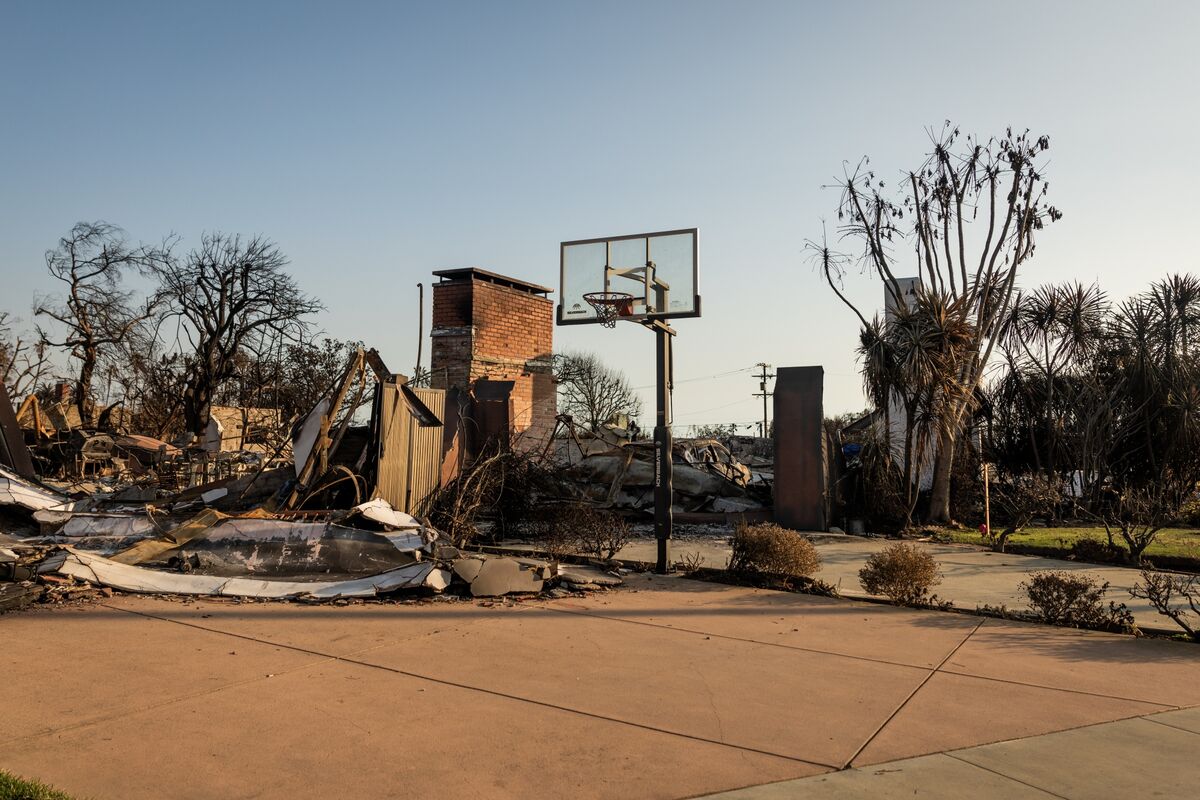
America's private disaster-recovery industry is facing a critical test, driven by a surge in extreme weather events and uncertainty surrounding FEMA's role. This confluence is creating a significant market vacuum that entrepreneurs are actively filling, signaling a growing sector poised for expansion and potential investment as demand for recovery services intensifies.
The U.S. private disaster-recovery industry is at a significant inflection point, driven by the confluence of increasing extreme weather events and strategic uncertainty surrounding the role of the Federal Emergency Management Agency (FEMA). The escalating frequency of climate-related disasters establishes a secular growth trend in demand for recovery services. Concurrently, a perceived vacuum in public sector response is creating a substantial market opportunity that entrepreneurs and private companies are actively moving to fill. This dynamic positions the sector for expansion but also subjects it to a critical 'stress test' of its operational capacity, business model resilience, and profitability under volatile conditions. The mixed sentiment signal (-0.1) accurately reflects this duality: a negative catalyst (disasters) creating a positive, albeit uncertain, commercial opportunity for a burgeoning industry.
AI-powered research, real-time alerts, and portfolio analytics for institutional investors.
Request DemoOverall Sentiment
mixed
Sentiment Score
-0.10
