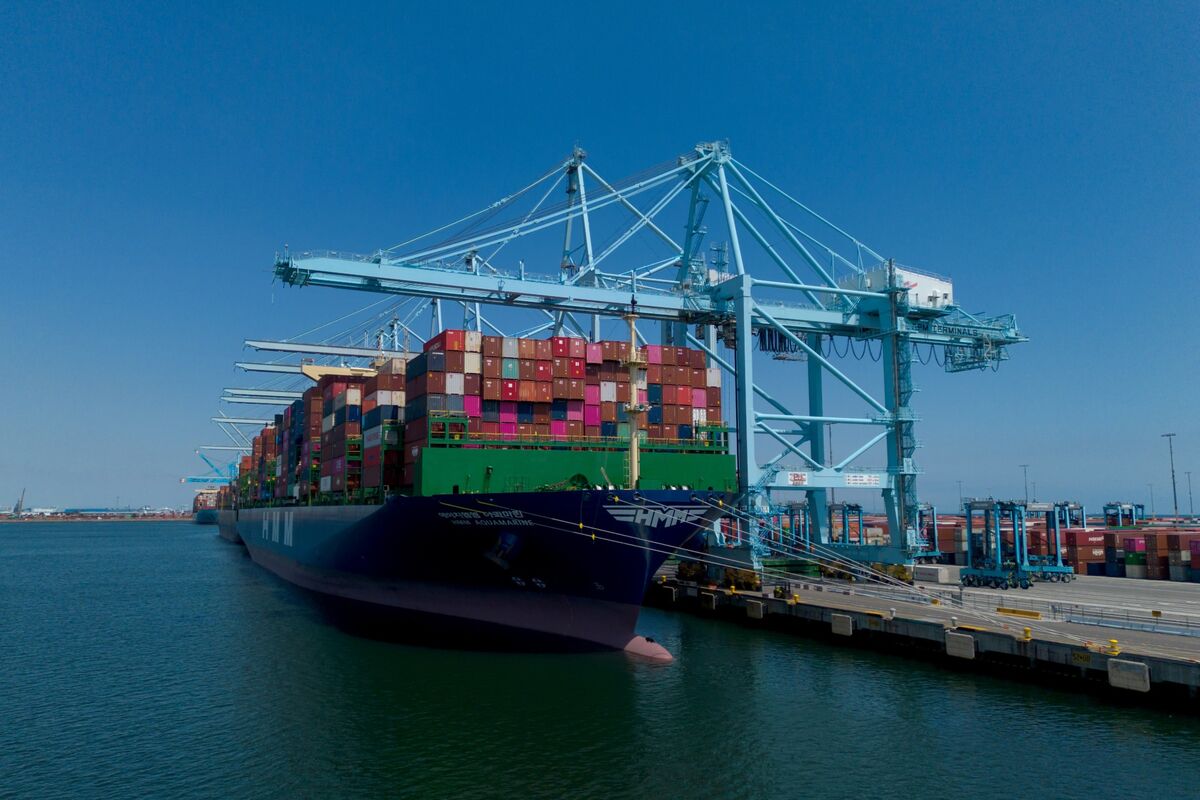
China's share of US imports dropped to a 23-year low of 7.1% in May, a significant 4.3 percentage point year-over-year decline, according to US Census Bureau data. This trend, marking the lowest share since 2001, reflects a continued shift in supply chains away from China, largely driven by US tariffs implemented during the Trump administration, with Southeast Asian nations like Vietnam increasingly capturing this redirected trade.
U.S. trade data from the Census Bureau reveals a significant and ongoing realignment of global supply chains, with China's share of American imports declining to 7.1% in May, a low not seen since 2001. This represents a substantial 4.3 percentage point drop year-over-year and marks a continuation of a trend accelerated by tariff policies. The data indicates that China's share has more than halved from a recent high of 14.8%, underscoring the velocity of this shift. The primary driver identified is the implementation of U.S. tariffs, which have effectively redirected trade flows from China to other manufacturing hubs, particularly in Southeast Asia. Vietnam is explicitly mentioned as a key beneficiary of this trade diversion, indicating a structural change in sourcing for the U.S. market rather than a cyclical fluctuation.
AI-powered research, real-time alerts, and portfolio analytics for institutional investors.
Request DemoOverall Sentiment
moderately negative
Sentiment Score
-0.45
