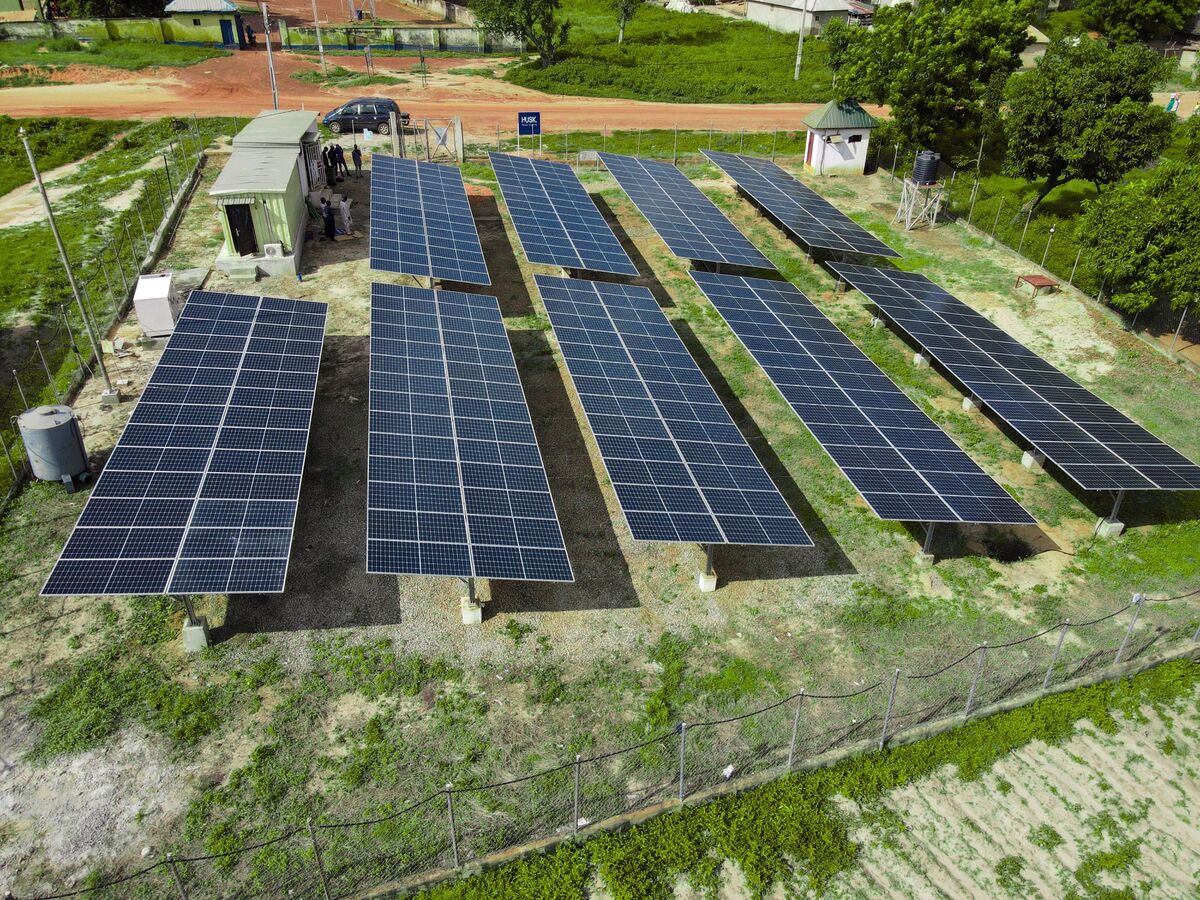
The World Bank and African Development Bank plan to accelerate the Mission 300 electrification program this year by approving new projects, including investment in Eritrea, and advancing regional power pools. The initiative targets electricity access for hundreds of millions of Africans, in a region that contains about 80% of the world's 570 million people without power. The news is supportive for African infrastructure and electrification efforts, with a modest positive read-through for development finance and renewable energy deployment.
The key second-order effect is that electrification in Africa is less a pure humanitarian spend than a multi-year capex unlock for industrial value chains. Reliable power expands the addressable market for local cement, refrigeration, telecom towers, mining beneficiation, and eventually light manufacturing; that means the economic beta sits more in domestic consumption and logistics than in the utilities themselves. The biggest beneficiaries are likely the “picks-and-shovels” contractors, grid equipment suppliers, and mobile-money/telecom operators that monetize first-time electrification before utility cash flows fully normalize.
The regional power-pool emphasis matters because it shifts the program from fragmented mini-grid deployments to interconnection and dispatch optimization. That creates a structurally better revenue pool for transmission gear, transformers, switchgear, and system integrators, while putting pressure on standalone diesel genset demand over a 2-5 year horizon. In practice, this is a slow-burn trade: the headline is positive now, but procurement, permitting, and sovereign execution risk mean the first 6-12 months are more about award visibility than actual earnings impact.
Consensus may be underestimating the financing stack’s vulnerability to FX and sovereign stress. Dollar funding can look abundant at commitment stage and still fail to translate into operating assets if local currency devalues, tariffs remain politically capped, or offtake quality deteriorates; that tends to push returns into near-monopoly equipment vendors rather than equity-heavy developers. The contrarian angle is that the market often overprices “green EM infrastructure” as a clean ESG winner, when the real alpha usually accrues to firms with hard assets, procurement leverage, and strong balance sheets that can survive payment delays.
AI-powered research, real-time alerts, and portfolio analytics for institutional investors.
Request DemoOverall Sentiment
moderately positive
Sentiment Score
0.45
