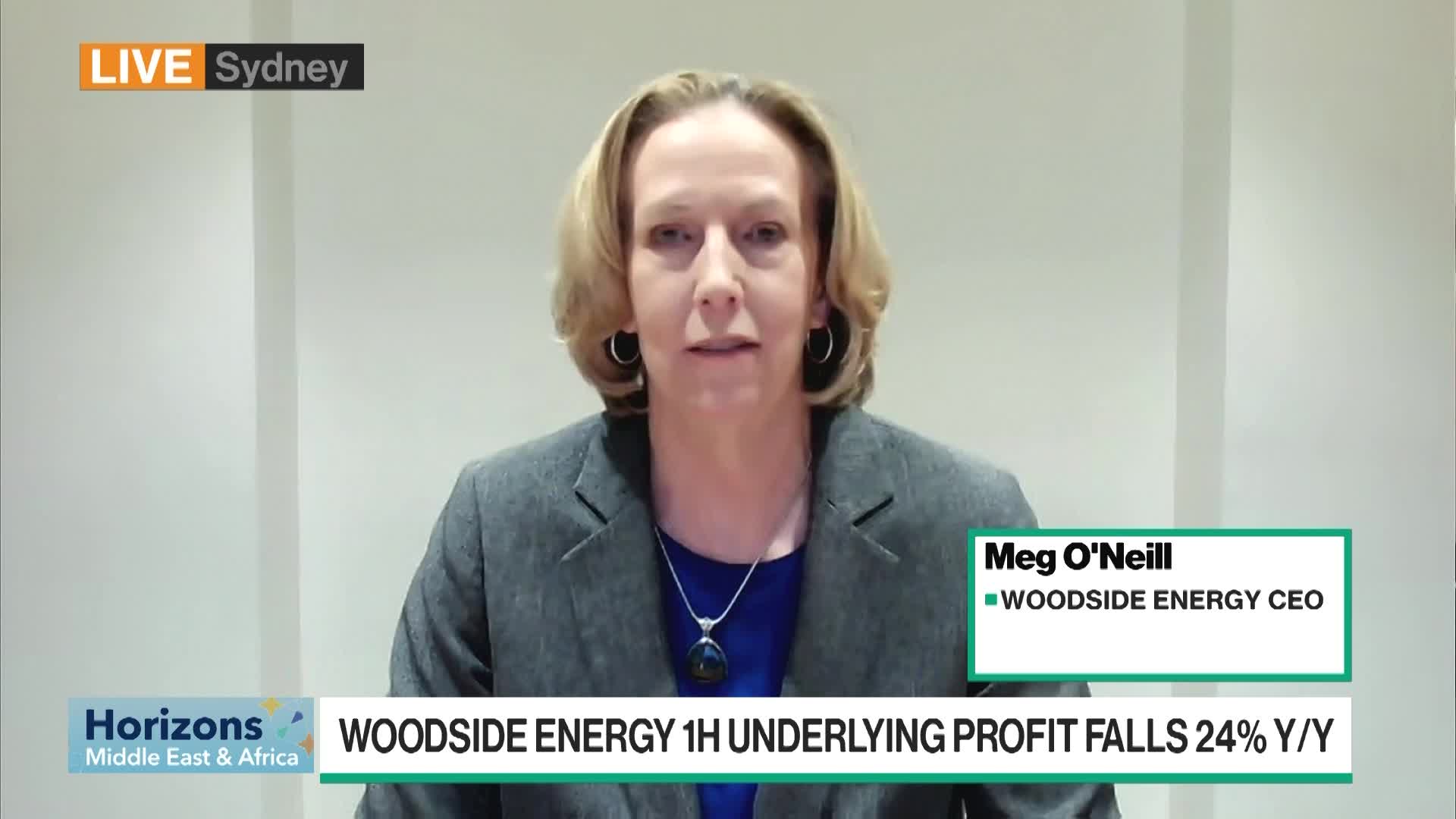
The provided content outlines key geopolitical and economic discussion points from a Middle East and Africa-focused financial news program. Prominent topics include the Hamas-Israel ceasefire proposal, the growing influence of Iran's Revolutionary Guard, and factors driving the Dubai property boom. These themes collectively highlight critical regional risks and investment opportunities relevant for institutional investors tracking the broader MEA landscape.
The current investment landscape in the Middle East and Africa (MEA) is characterized by a significant divergence between acute geopolitical risks and specific, robust economic opportunities. On one hand, discussions surrounding the Hamas-Israel ceasefire proposal and the expanding influence of Iran's Revolutionary Guard underscore a heightened and persistent level of regional instability. These factors contribute to a mixed sentiment outlook, as indicated by a neutral sentiment score of 0.0, and are a primary driver of the moderate market impact score of 0.65, signaling that these developments are material for regional asset pricing. On the other hand, the highlighted interview with the CEO of Mered on the drivers of the Dubai property boom points to a powerful, localized growth narrative. This juxtaposition suggests that while broad regional investments carry substantial political risk, discrete markets, particularly within the UAE's real estate sector, are demonstrating strong fundamentals that may be partially decoupled from the wider conflicts.
AI-powered research, real-time alerts, and portfolio analytics for institutional investors.
Request DemoOverall Sentiment
mixed
Sentiment Score
0.00
