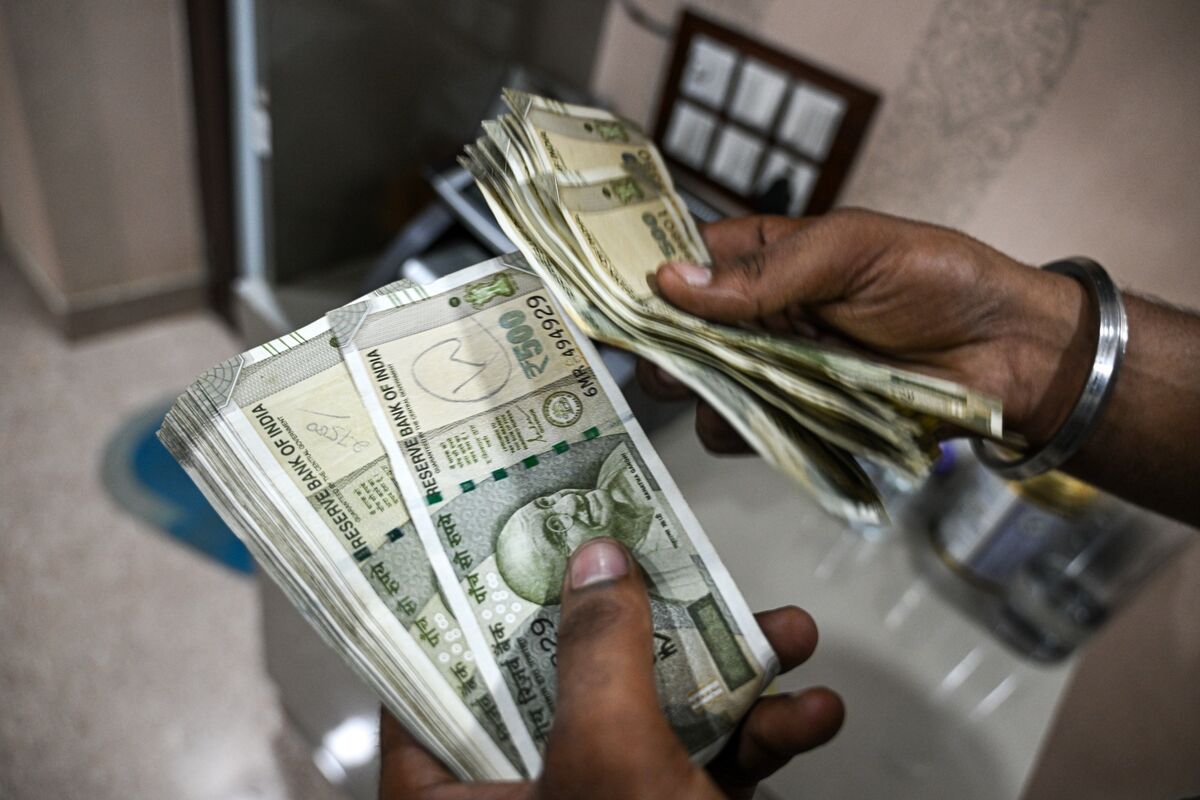
The Reserve Bank of India (RBI) is initiating new measures to promote the global acceptance of the rupee, a long-term strategy aimed at reducing India's dependence on the U.S. dollar amid the impact of U.S. tariffs on its currency and trade. This effort, mirroring actions by other regional economies, is acknowledged by experts to face significant challenges, signaling a complex and potentially protracted path to internationalization.
The Reserve Bank of India (RBI) has initiated new measures aimed at the internationalization of the rupee, a long-term strategic objective designed to reduce India's economic dependence on the U.S. dollar. This policy response is framed against a backdrop of trade pressures, specifically the impact of U.S. tariffs on India's currency and trade prospects. The move places India on a similar strategic path as other regional economies, like China, that are also seeking to elevate the global status of their respective currencies. However, the initiative's success is far from assured, as the article highlights expert consensus that the path is 'fraught with challenges,' pointing to potential issues with India's market depth. The associated data signals, indicating a mixed sentiment and an uncertain tone, accurately reflect this duality: a significant, proactive policy shift by an emerging market power that is tempered by substantial execution risk and a protracted timeline for realization.
AI-powered research, real-time alerts, and portfolio analytics for institutional investors.
Request DemoOverall Sentiment
mixed
Sentiment Score
-0.05
