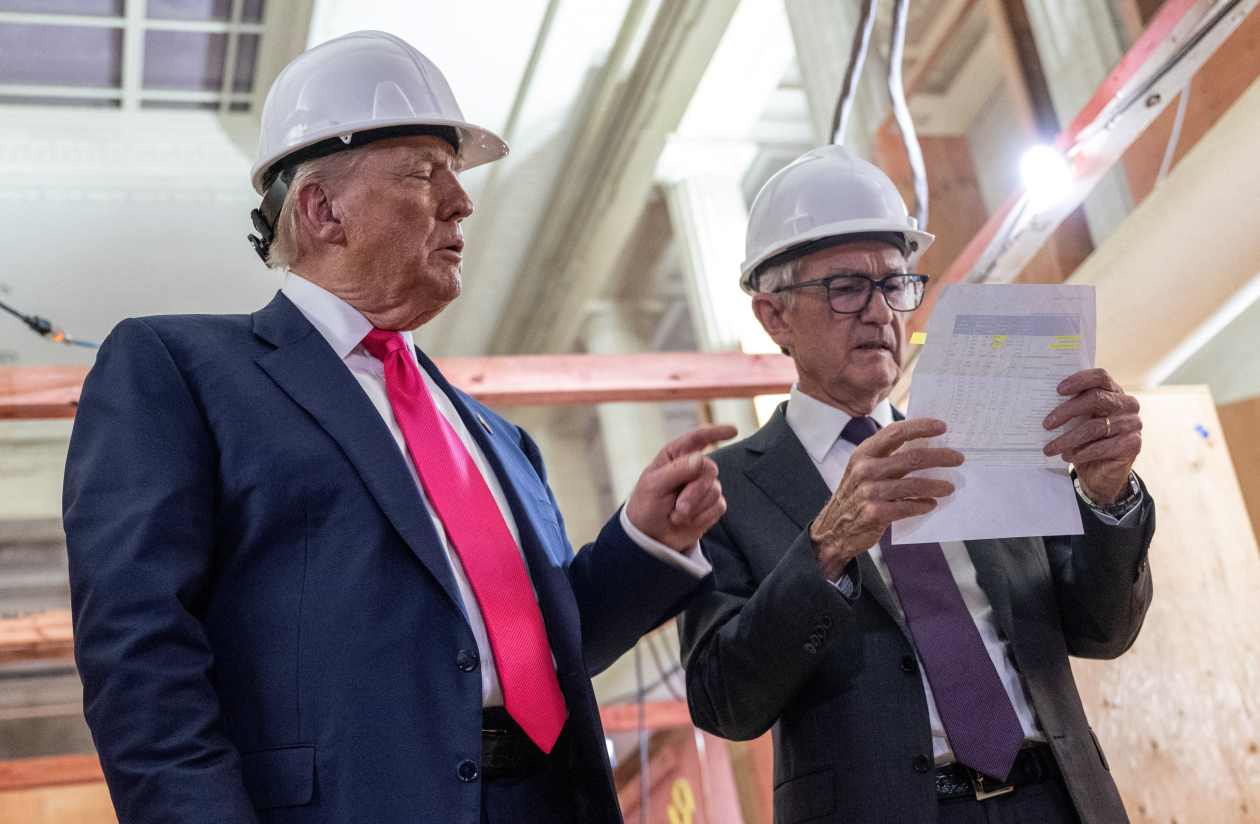
The Federal Reserve maintained its benchmark interest rate for the fifth consecutive meeting, resisting significant pressure from President Donald Trump to lower borrowing costs. This decision was notably accompanied by two dissents from the seven-member board of governors, marking the first such dual dissent since 1993 and signaling internal division within the central bank regarding current monetary policy.
The Federal Reserve has maintained its benchmark interest rate for the fifth consecutive meeting, a decision that notably defies explicit pressure from the Trump administration for a rate reduction. The most significant development from this meeting is the emergence of a clear internal division within the Fed's board of governors, evidenced by two dissenting votes. This level of public disagreement is historically rare, marking the first dual dissent since 1993 and signaling a fractured consensus on the appropriate path for monetary policy. This internal split, combined with external political influence, introduces a heightened level of uncertainty regarding the central bank's future actions and policy cohesion.
AI-powered research, real-time alerts, and portfolio analytics for institutional investors.
Request DemoOverall Sentiment
mildly negative
Sentiment Score
-0.25
