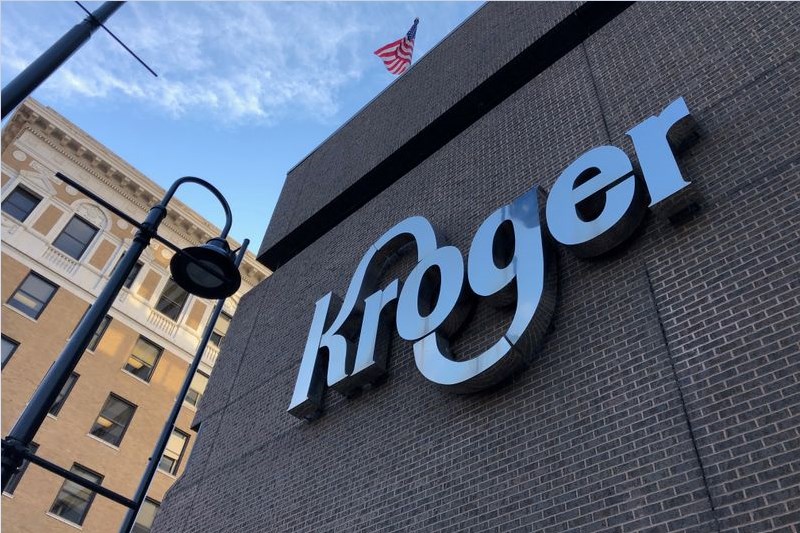
RBC Capital reiterated an Outperform rating and $114 price target on Sprouts Farmers Market, but flagged rising competitive pressure from Kroger's planned price cuts. RBC found about 66% of Sprouts stores are within five miles of a Kroger, and roughly 66% of Sprouts shoppers have also shopped at Kroger in the past 12 months. The firm said Sprouts' price positioning versus Kroger has worsened modestly since July 2025, increasing risk from narrower price gaps and trip consolidation.
The key market implication is not that a single grocer is cutting prices, but that the promotional arms race is shifting from isolated tactical moves to a broader industry reset. That is structurally more dangerous for premium and specialty banners like SFM because their value proposition depends on a persistent basket-price gap; once that gap compresses, traffic can fall disproportionately as consumers re-optimize on fewer trips and larger basket fills at mainstream stores. The second-order risk is traffic elasticity interacting with fuel pressure: if households consolidate shopping trips, SFM loses twice—fewer visits and weaker impulse/attachment sales per visit.
KR is the near-term tactical winner, but the more important beneficiary may be WMT if price cuts force smaller chains to defend share with lower margins they cannot sustainably absorb. WMT can lean on scale, media, and loyalty data to selectively match, then widen the gap on convenience and unit economics, while COST remains relatively insulated because its membership model blunts direct price comparisons. The competitive outcome is likely not share recapture for KR alone, but margin compression across the center of the grocery market with the strongest operators using promos to widen the moat.
For SFM, the catalyst path matters more than the headline: the next 1-2 quarters are about whether monthly price tracking shows the gap stabilizing or continuing to widen. If Kroger’s cuts transmit quickly into basket perception, SFM’s recovery narrative gets delayed, and any multiple support from "premium growth" could de-rate first on traffic misses rather than earnings misses. Conversely, if input inflation or execution issues prevent KR from sustaining the cuts, this could turn into a brief promotional flare-up rather than a durable reset.
The contrarian point is that the market may be underestimating how hard it is for KR to fund meaningful price reductions without leaking gross margin elsewhere. If service investments and labor retention are also required, the announced cuts may prove cosmetic and support a tradeable rally in SFM on relative basis once investors realize the competitive response is uneven. The trade should therefore be framed around relative execution, not absolute price cuts.
AI-powered research, real-time alerts, and portfolio analytics for institutional investors.
Request DemoOverall Sentiment
mildly negative
Sentiment Score
-0.20
Ticker Sentiment
