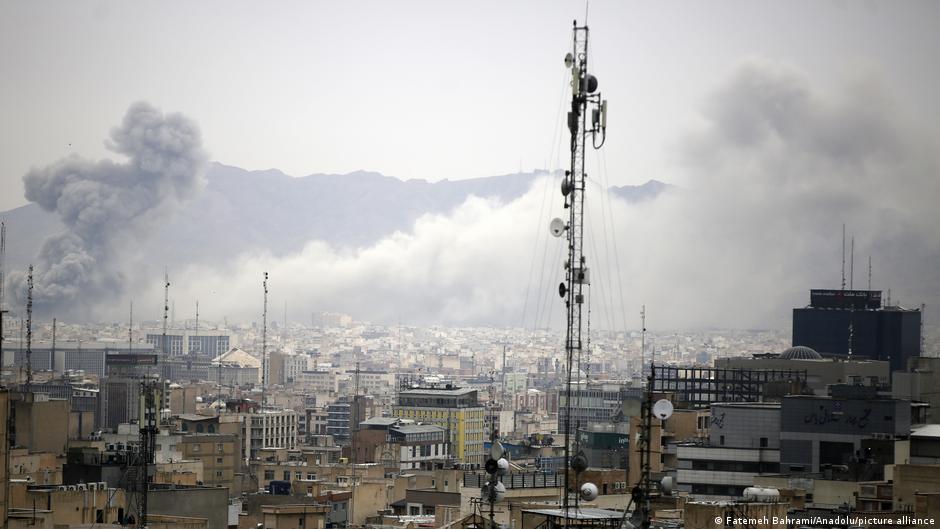
The Strait of Hormuz — a chokepoint for ~20% of global oil shipments — is effectively shut, creating acute supply risk and driving energy prices higher while dozens of vessels remain stranded. US and Israeli forces report striking thousands of targets (US Secretary Hegseth cited ~15,000 targets; the IDF posted 7,600 strikes) and the US says it will 'ramp up' strikes in the coming days, raising the probability of further escalation. Expect pronounced market volatility, risk-off flows, higher freight/insurance premia and potential multi-percent moves in oil and energy-related equities; monitor tanker transits and sortie/strike cadence closely.
Market dislocations from intensified Gulf-region kinetic activity create a predictable two-part revenue shock: near-term scarcity rents for ocean freight and insurance, and a medium-term capex acceleration into defense and logistics resiliency. Tanker and LPG owners can convert voyage opportunities into cashflow quickly (time-charter spikes and floating storage), whereas upstream capex takes quarters to materialize — favoring asset-light owners and contractors with available tonnage or parts inventory.
Insurance and commodity-finance are the hidden choke points. War-risk and P&I premiums can reprice within days, materially tightening working capital for traders and smaller refiners; a 30–50% jump in premiums would force some marginal trades offline and increase backwardation, benefitting storage holders and larger integrated players with balance-sheet arbitrage optionality. Banks with concentrated trade-finance exposure to regional counterparties face idiosyncratic credit shock over weeks-to-months.
Defense prime revenue upside is multi-year but lumpy — expect order-book acceleration in tactical sustainment, munitions replenishment, and airborne ISR, which benefits OEMs and specialized subcontractors with domestic supply lines. Conversely, sectors sensitive to fuel/input cost (airlines, long-haul logistics, some container operators) show immediate P&L pressure, creating windows to hedge cyclical exposures.
The market consensus discounts a rapid method to restore maritime throughput via coordinated naval escorts and targeted diplomacy; if that occurs within 30–90 days, energy and shipping spreads mean-revert sharply. That cliff risk argues for asymmetric positioning: own convex upside to disruption while capping carry and downside if de-escalation occurs quickly.
AI-powered research, real-time alerts, and portfolio analytics for institutional investors.
Request DemoOverall Sentiment
strongly negative
Sentiment Score
-0.75
Ticker Sentiment
