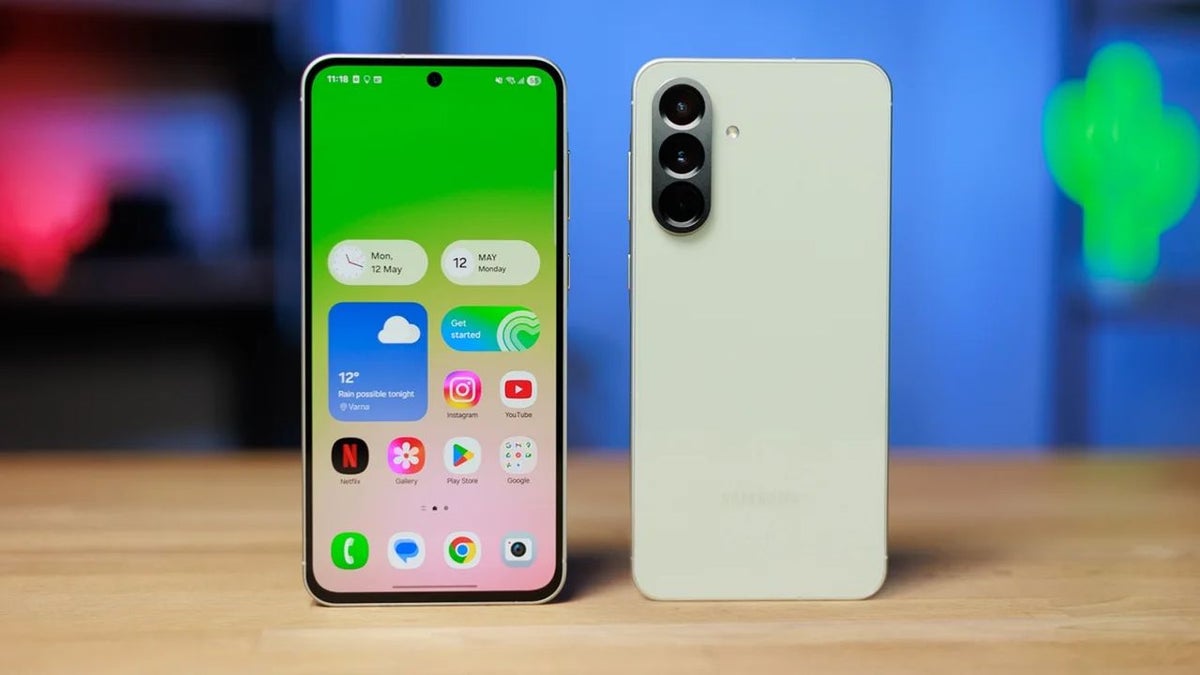
Samsung is rolling out the May 2026 security patch for the Galaxy A57 and Galaxy A06, with 39 fixes total: 29 from Google and 10 from Samsung. The update is currently limited to Malaysia for the A57 and India for the A06, with firmware versions A576BXXS2AZE2 and A066BXXS6BZE1. The news is routine device maintenance rather than a material market catalyst, though it reinforces Samsung's ongoing support for its A-series lineup.
This is a reminder that the Android security cycle is becoming a steady, low-volatility demand driver for device OEMs and, more importantly, for the ecosystem of endpoint security, mobile device management, and identity layers that sit above the OS. The second-order effect is not revenue from a single patch; it is reduced churn risk in consumer finance, work profiles, and enterprise BYOD deployments where missed updates can trigger compliance friction and higher support costs. For Samsung, the near-term implication is marginally better retention on value and mid-tier devices because security maintenance is one of the few post-sale features that meaningfully extends perceived product life.
The competitive read-through is that Samsung continues to use software upkeep as a differentiator against lower-trust Android vendors, especially in price bands where hardware differentiation is thin and buyers are sensitive to security assurances. That matters most in India and Southeast Asia, where smartphone replacement cycles are longer and a single incident can shift brand preference for years. A faster, more visible update cadence also subtly pressures carriers and regional distributors to improve OTA delivery and support processes, which can widen the moat for brands with stronger software teams.
From an investing standpoint, this is bullish for the broader thesis that mobile security is shifting from a cost center to a monetizable trust layer. The market often underprices the compounding value of update discipline: fewer compromise events, lower warranty/support burden, and higher attach rates for cloud backup, password managers, and device protection plans. The contrarian point is that the headline itself is not a revenue catalyst for handset OEMs; the real monetization sits in adjacent software and security vendors, and the benefit shows up over quarters, not days.
AI-powered research, real-time alerts, and portfolio analytics for institutional investors.
Request DemoOverall Sentiment
neutral
Sentiment Score
0.10
