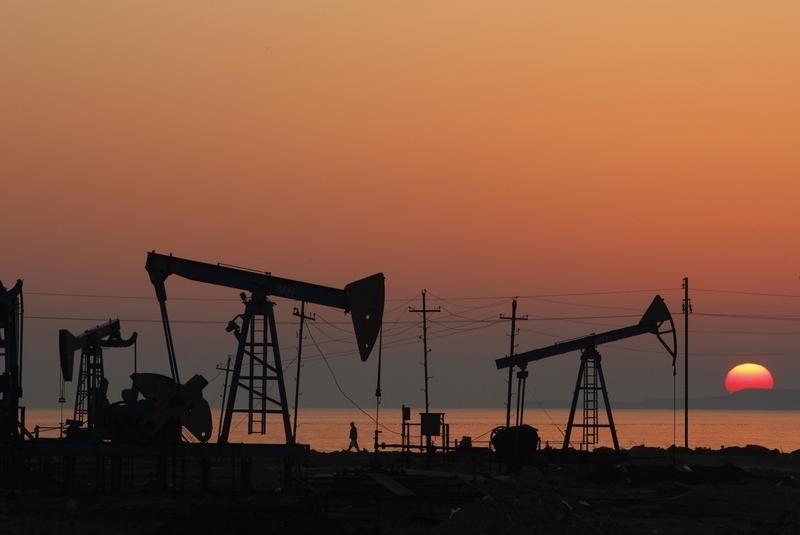
A supertanker carrying ~2.0 million barrels of Iranian crude transited the Strait of Hormuz, the sixth such vessel since Feb. 28 and part of at least ~11 million barrels shipped to Asia from five prior tankers. Ship tracking data show Iran has continued moving crude, gas and product cargoes despite U.S.-Israeli strikes beginning Feb. 28. Markets reacted with oil prices sliding after President Trump hinted the Iran conflict may be ending, removing part of the geopolitical risk premium and pressuring energy prices.
The market is treating geopolitical noise as a binary catalyst where directional moves are driven more by headline signaling than by durable supply changes; that amplifies short-term volatility (days–weeks) while leaving structural supply dynamics (months–quarters) unsettled. Shipping and sanctions arbitrage are creating localized pricing differentials and counterparty risk premia that dampen the pass-through from seaborne barrels to global headline prices, so oil reactions will be more headline-sensitive than volume-sensitive in the near term. Asian refiners and traders able to accept operational/legal complexity capture incremental margin on discounted barrels, squeezing out higher-cost suppliers and reshaping seaborne flows over the next 3–9 months. For tech/AI hardware, the market has underpriced the macro sensitivity: a durable de-escalation reduces short-term energy-linked volatility, lowering funding and execution risk for large-scale GPU deployments and materially improving the IRR on new data‑center GPU racks.
This dynamic creates a bifurcated opportunity set: cyclically exposed equipment vendors (SMCI) and ad/monetization-sensitive platform plays (APP) benefit from a risk-on backdrop that increases capex visibility and ad budgets, respectively, but remain vulnerable to a quick reversal if conflict escalates. Inventory and supply-chain timing matter — orders that are not locked into multi-quarter supply contracts can be delayed by buyers if oil-driven macro risk returns, so revenue recognition for hardware vendors can compress in a matter of weeks. Insurance and freight-rate normalization will matter most to logistics-heavy counterparties; any sanction enforcement spike would reintroduce a liquidity premium on counterparties lacking transparent ownership, and that premium can evaporate as quickly as it appears.
AI-powered research, real-time alerts, and portfolio analytics for institutional investors.
Request DemoOverall Sentiment
mildly positive
Sentiment Score
0.05
Ticker Sentiment
