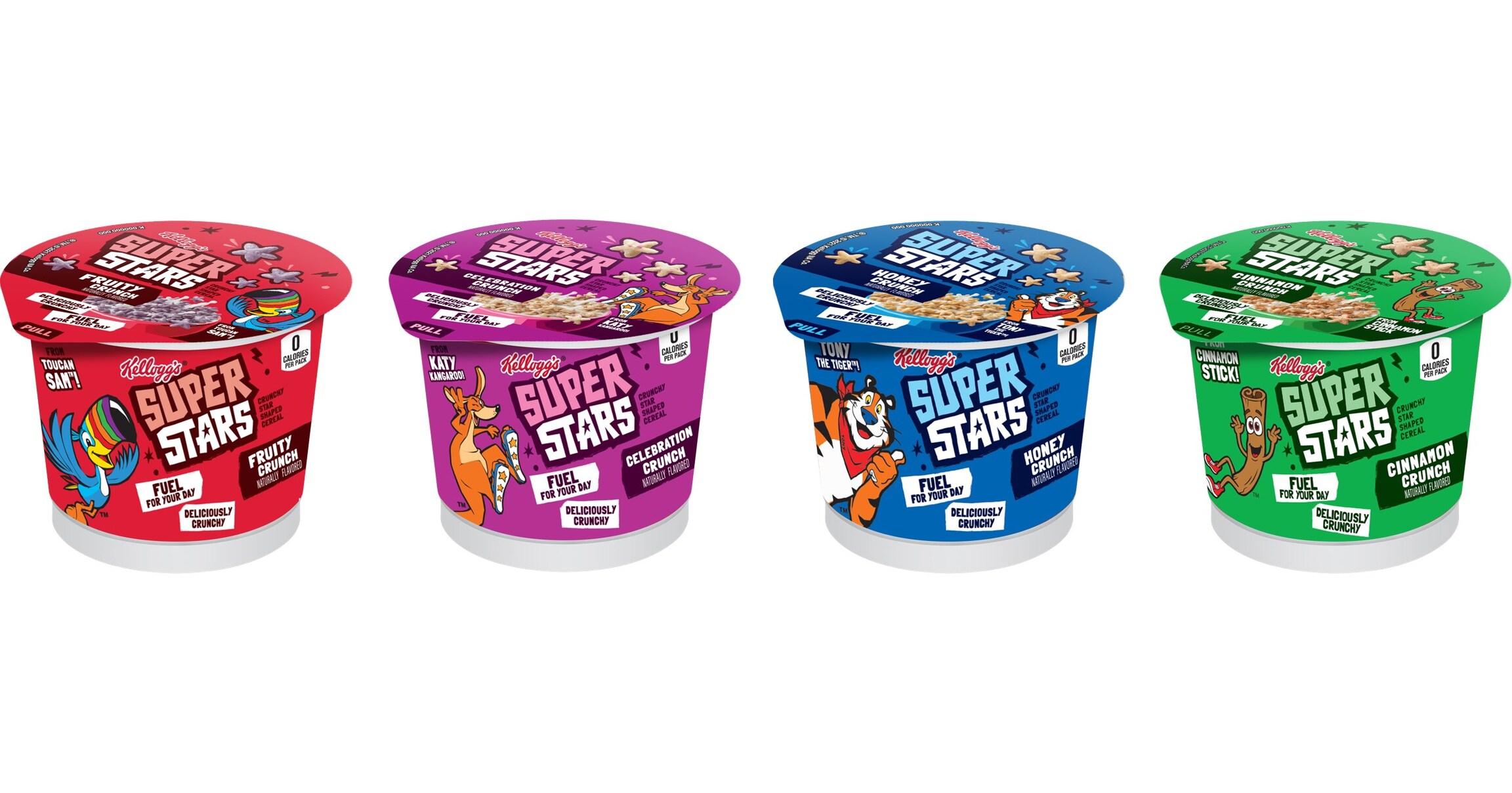
WK Kellogg Co launched Kellogg’s® Super Stars™ for K–12 breakfast programs, rolling out to school nutrition professionals at the 2026 School Nutrition Association conference (July 12–14) and targeting availability for the 2027–2028 school year. The 1 oz serving is positioned as a fiber and vitamin D “good/excellent source” package, including ~4g dietary fiber and 20% DV of six B-vitamins plus iron and 15% DV of vitamin D, alongside ready-to-serve 1 oz bowls/cups and a new 1 oz pouch format. Management frames the launch as supporting its “Feeding Happiness” initiative to improve access to nutritious school breakfasts amid rising costs and staffing constraints.
This is more branding than earnings power in the next 12 months. The only financially meaningful angle is whether school-foodservice can add a small, higher-visibility outlet for excess brand capacity and improve factory utilization, but the launch timing pushes any P&L contribution out to 2027-28, so near-term estimates should barely move. For KLG, the bullish read is not unit volume but incremental relevance: if the company can get specified into district procurement lists, it may reduce reliance on shrinking at-home cereal demand and create a longer-duration customer relationship.
The competitive issue is less about cereal category share and more about who owns institutional breakfast shelf space. GIS, POST, and private-label processors could face marginal displacement in school bids, but the prize is tiny relative to their retail portfolios. The bigger second-order benefit may accrue to distributors and foodservice operators that prefer low-labor, shelf-stable items; that supports buyers like SYY and USFD more than it moves cereal manufacturers’ top lines. The school channel is also margin-compressed by compliance, packaging, and bid pricing, so any volume win could be lower quality than retail.
Contrarian view: the market may overrate the strategic significance because the press release frames policy tailwinds as if they were demand certainty. The real driver will be district budgets, USDA reimbursement, and cafeteria staffing, not product nostalgia. If school breakfast funding tightens or regulations shift toward lower-sugar standards, this story stalls quickly; conversely, if breakfast participation rates rise in 2027-28, it becomes a small but durable revenue pocket rather than a growth engine.
AI-powered research, real-time alerts, and portfolio analytics for institutional investors.
Request DemoOverall Sentiment
mildly positive
Sentiment Score
0.15
