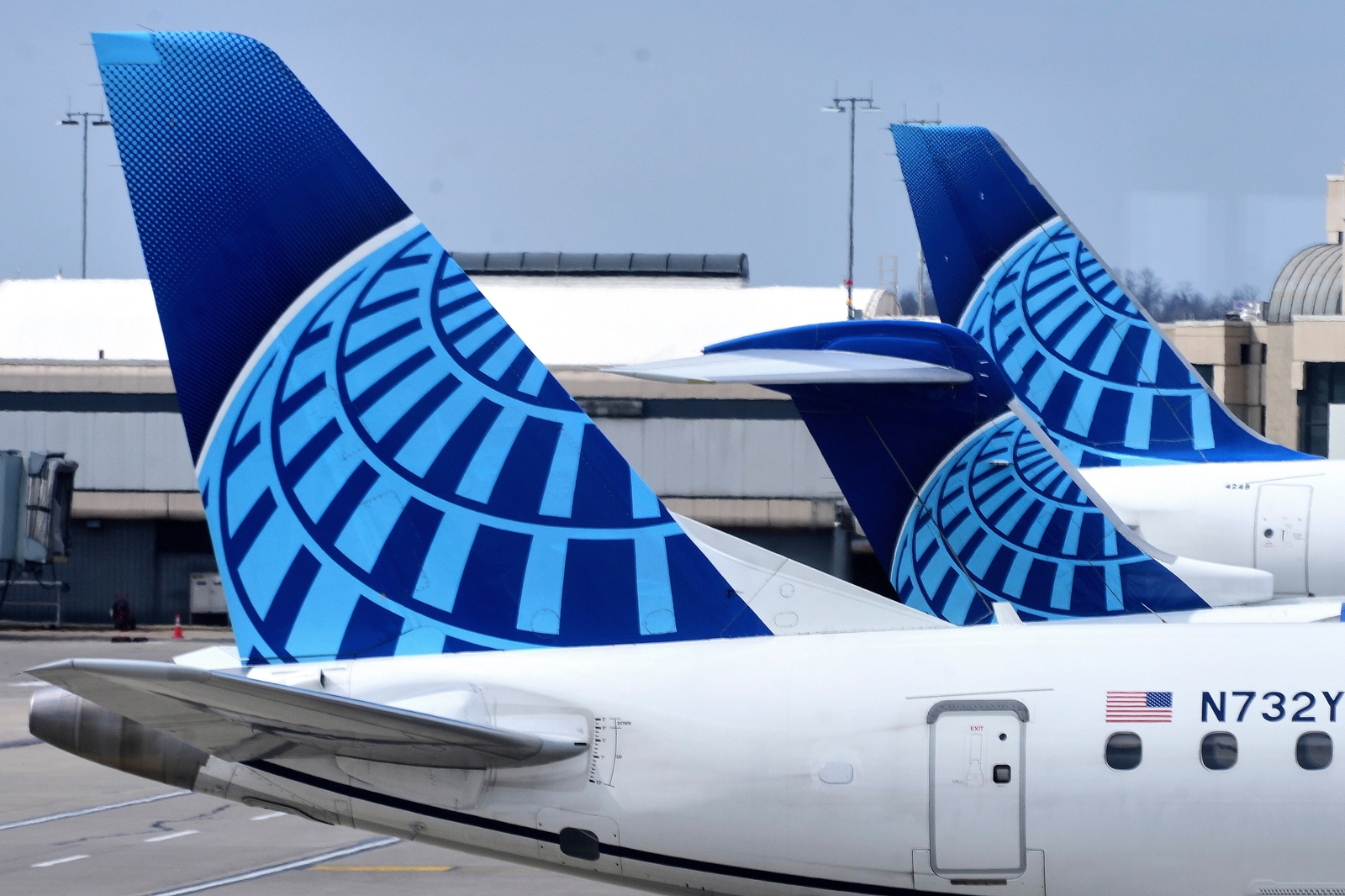
A United Airlines Flight 1980 pilot reported a possible drone strike while landing at San Diego International Airport at around 3,000-4,000 feet, but the Boeing 737 landed safely and a postflight inspection found no damage. The FAA is investigating, and air traffic control alerted other pilots without receiving additional drone sightings. The event is operationally notable but appears limited in immediate market impact.
This is not a near-term earnings issue for UAL; it is a regulatory and operating-risk headline that mostly matters through the probability of nuisance disruptions, not direct asset damage. The key second-order effect is that even a low-severity drone event can force tighter ATC procedures, more conservative approach spacing, and localized runway/arrival throttling at constrained airports like San Diego, which would incrementally raise completion risk and crew/dispatch complexity across the network.
The market should think in terms of tail-risk rather than base-case cost. If the FAA widens enforcement or airports push for drone-detection infrastructure, the beneficiaries are likely defense/electronics vendors and airport-security contractors, not airlines; the losers are carriers with high exposure to slot-constrained coastal airports and tight schedules, because a small rise in go-around/inspection events has an outsized effect on on-time performance and misconnections. Over months, this can feed into higher irregular-operations expense and modestly worse customer satisfaction, even if the direct event rate remains low.
Consensus may underappreciate that the real option value here sits with regulation: a single high-visibility incident can accelerate policy spending on detection systems and harden rules around airport perimeters. That makes the airline reaction asymmetric—limited downside to the stock from one inspection-cleared event, but meaningful downside if the story evolves into repeated sightings, since the market will quickly reprice operational reliability and liability risk. The contrarian view is that the initial selloff risk is likely overstated unless this becomes a pattern; absent recurrence, UAL should mean-revert as the event has no fleet damage and no immediate capacity impact.
AI-powered research, real-time alerts, and portfolio analytics for institutional investors.
Request DemoOverall Sentiment
neutral
Sentiment Score
-0.05
Ticker Sentiment
