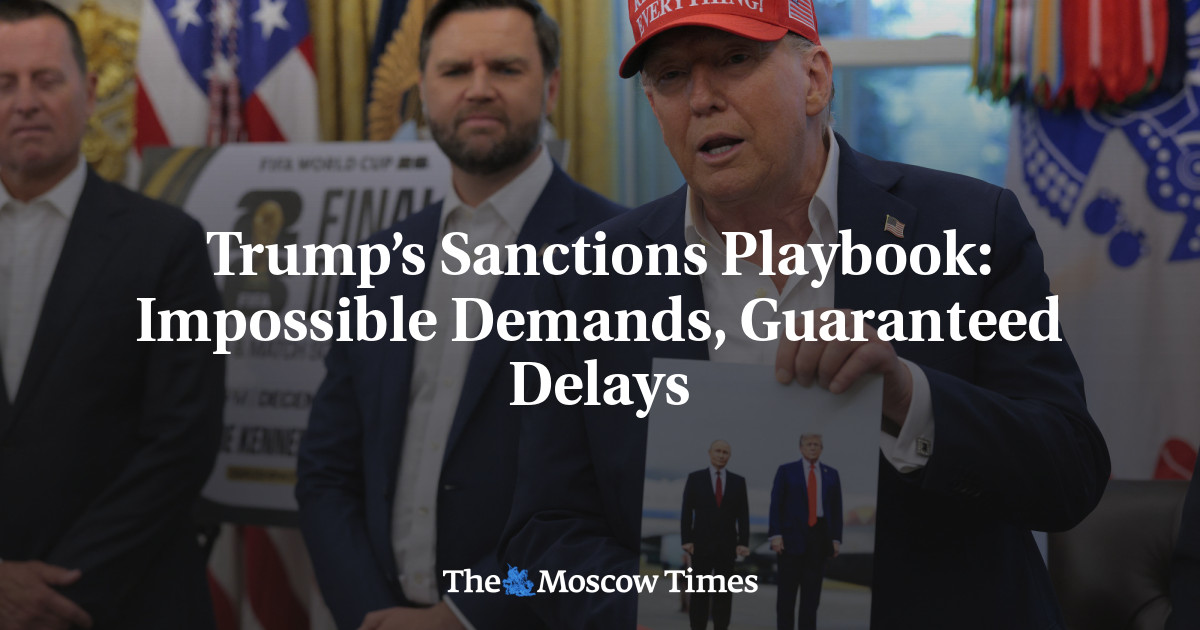
Former President Trump's proposal to impose further sanctions on Russia only if NATO levies 50-100% tariffs on China is viewed as a highly disruptive and strategically flawed tactic. This ultimatum is seen as a stalling mechanism that would effectively ease pressure on Moscow while inflicting severe economic damage on European NATO members, who rely heavily on over a trillion euros in annual trade with China. Such tariffs risk devastating supply chain chaos, triggering retaliatory measures, exacerbating Europe's economic fragility amid rising debt costs, and further fracturing the Western alliance, ultimately benefiting Russia and destabilizing global markets.
A proposal by former U.S. President Trump conditions further sanctions on Russia upon NATO imposing punitive tariffs of 50% to 100% on China. This ultimatum is interpreted as a strategic maneuver to stall further action against Russia by presenting an economically unviable precondition for European allies. The proposal's implementation would severely disrupt the over €1 trillion in annual trade between the EU and China, likely triggering retaliatory tariffs and significant supply chain chaos. This potential economic shock comes as European economies are already demonstrating fragility, evidenced by rising sovereign debt costs, with German 10-year bond yields climbing to approximately 2.5% from previous negative levels. The demand also discounts Europe's substantial progress in decoupling from Russian energy, where Moscow's share of EU oil imports has fallen from 27% to 3% and its share of natural gas is projected to drop from 45% to 13% this year. However, this transition faces internal resistance from member states like Hungary and Slovakia, exposing fissures within the bloc that the proposal could exacerbate. Furthermore, any broad disruption to Russia's energy exports, which account for roughly 10% of global oil and 17% of global natural gas, poses a significant risk of destabilizing global energy markets and fueling inflation.
AI-powered research, real-time alerts, and portfolio analytics for institutional investors.
Overall Sentiment
extremely negative
Sentiment Score
-0.90
